
Read time: 7 minutes
“If we are to preserve culture we must continue to create it.” – Johan Huizinga
Across the provinces of Canada, you will find vibrant African francophone communities. The connection between Africa, France, and Canada runs deep. African-French culture can be seen across the arts, music, literature, film, entertainment, popular forms of media including TV and radio, and, of course, food.
The changing face of Canada
French colonists settled in Quebec (formerly known as New France) in 1642 and forcibly brought slaves to the colony in the 1750s. Later, African migrants to Canada came via the Underground Railroad. They settled in Nova Scotia and Quebec. In later years, immigration became the main route to Canada for African francophones.
Today, Montreal is home to Africans from French-speaking countries: the Democratic Republic of Congo (DRC), Congo, Tunisia, Cote d’Ivoire, Mali, and Cameroon. Of the 52 countries, 11 have French as their official language, and 7 use French as a co-official language.
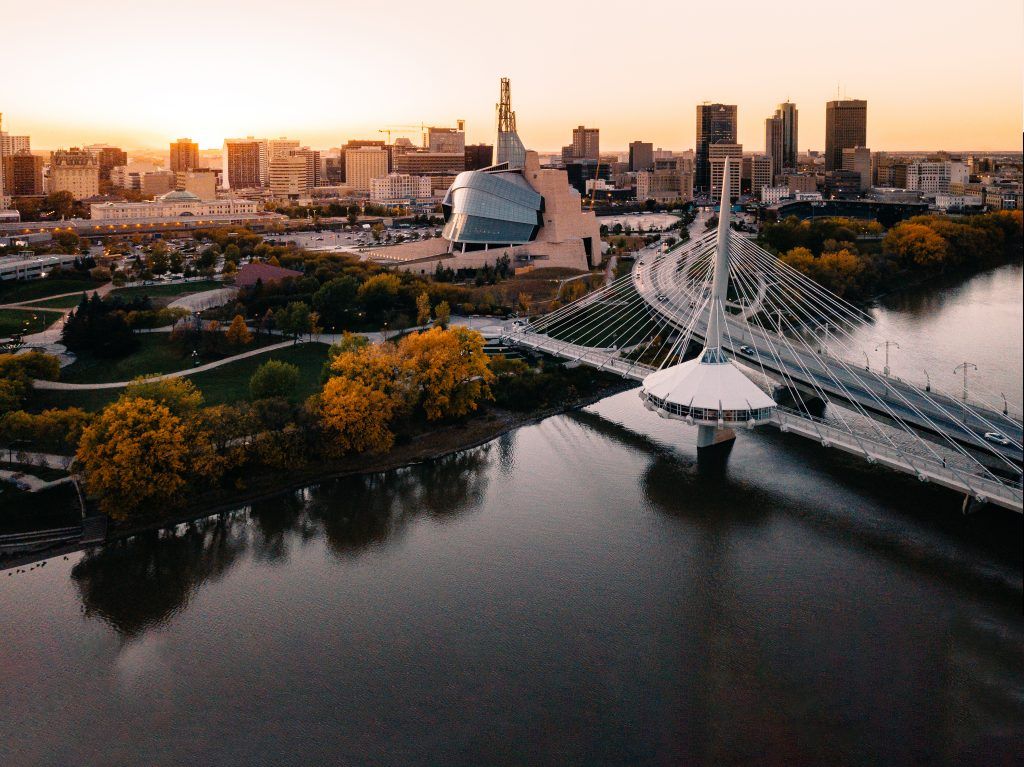
The DRC is the largest country in Africa, where French is the official language. When civil war erupted in DRC in the nineties, a wave of immigrants entered Canada. New immigrants arriving from French-speaking countries in Africa now settle in provinces other than Quebec. Winnipeg has the second-highest proportion of black francophone immigrants.
African-French Multiculturalism

Immigration enhances cultural diversity, and cultural diversity enhances a country. African-inspired festivals, music, food, and cultures transverse the globe and are assimilated into modern culture. During the summer months, Canadian cities come alive with Afro-centric festivals.
Quebec is the cultural birthplace capital of Canada. African music made its debut in Quebec City at the Superfrancofête of 1974. In the 1980s, Canadian cities hosted events that promoted African music. Canadians are renowned for their great appreciation of culture and the arts, expressed through festivals, music, and dance. These cultural events introduce and promote multiculturalism and enhance African French culture in Canada. And they events appeal to the great many Canadians who wish to experience different cultures, music, and food. Many of the festivals showcase artists from French-speaking countries in Africa, Canada, Europe, and beyond. Have a quick peek at a few of these festivals that showcase African artists in the diaspora.
Afrofrest Africa – Ontario
The largest multicultural African music festival in North America features African music, art, crafts, culture, and food.
Festival International Nuits d’Afrique – Montréal
The African Nights festival of international music celebrates 35 years of musical rhythms from Africa, the Caribbean, and Latin America.
Festival des rythmes d’Afrique de Sherbrooke – Quebec
A festival of rhythms of Africa that showcases the different beats of Africans in the diaspora.
Vue d’Afrique – Festival international de cinema – Montréal
A festival to discover the richness of African and Creole cultures in Canada through film, art exhibitions, and workshops.
Festival des journees d’Afrique danses et rythmes du monde de Quebec – Quebec
An artistic and cultural festival of dances and rhythms around the world to promote artists from different cultures.
African-French culture permeates Canadian society. The music from the African continent is ubiquitous. And African artists of all genres find their voice across Canada and the globe.
African-French Artists in Canada
Music from different French-speaking countries in Africa plays a key role in the overall music scene in Canada. African-French culture in music is evident with young artists such as Congolese artist, Moncliche. He infuses afrobeat-inspired music with Congolese rumba to create wonderful rhythms that get your body moving to the hypnotic beat.
Another one to watch is the highly impressive rap artist Sinzere, based in Calgary, Alberta. Sinzere shines as a lyricist and poet and, of course, a dancer. Catch a glimpse of her talent here:
Congolese-Canadian music artist Blandine Kaniki captivates you with her renditions of traditional Congolese rumba music, a soft and sultry rhythm. She is fun to watch as she gyrates her hips to the sway of the music. Her ambitious goal is to “conquer the American continent with Congolese rumba”.
Naxx Bitota is a Congolese-Canadian author, composer, and performer. Her smooth melodic voice invites you to experience her African-French culture through music and dance.
The singer-songwriter from Mali, Dakka Dembélé, expresses his cultural roots by infusing reggae with Mandingo sounds. He is also an entrepreneur and co-founded the Dakissa Footwear and Leather Goods Repair shop in Montreal, specializing in shoe and leather good repair – a trade he learned growing up in Ivory Coast.
It would be remiss of me not to mention Haiti, the French-speaking island in the Caribbean. Haitians make up the largest population of black francophones in Canada. The borough of Montréal-Nord has a huge black Haitian population. They, too, have imprinted their mark on the African-French culture.
Influence of Haitian-French culture

The culinary roots of Haitian creole food are a mix of African, French, Spanish, Arab, and the Taino people – the latter being the indigenous people of Haiti. (Fun fact: meat preservation was first done by the native Taino people in Haiti.) The word barabicu in the Taino language is the method is that we know today as barbecue.
The African influence can be seen in Haitian creole dish, Tomtom, which is similar to West African Fufu. It is swallowed without chewing using a slippery okra sauce. Most Haitian dishes have a flavour base of aromatic ingredients known as Haitian epis – cooked peppers, garlic, herbs, green onions, thyme, and parsley. Popular Haitian dishes such as riz collé aux pois (rice and peas), Poul an Sòs (chicken in sauce), and joumou (Haitian squash soup). Joumou is a popular dish to celebrate Haiti Independence day on 1st January. Also, you will find Haitian Creole street food on offer at Boukan, in Toronto, and elsewhere in Canada.
Besides the Haitian cuisine, Canadians celebrate Haitian culture too. The Festival Haiti en Folie is held every summer in Montreal and attracts several thousands of tourists every year. Here Canadians experience Haitian food, music, crafts, theatre, and dance. French-African culture is also on display with a theatre production, Haiti Terre de Feu (Haiti, Land of Fire), that celebrates the turbulent history of Haiti.
Black Francophones in Art, Literature and Dance
In Canada, we enjoy the sweet beats of afro-beat, jazz, or other forms of music and dance from Francophone Africa. But African-French culture in Canada is also visible and vibrant in art, dance and literature.
Art
Canadian art history illuminates French-African history. An example is the oil painting, “Portrait of a Haitian woman” (1786), by French-Canadian artist François Malépart de Beaucourt, which depicts the portrait of a black woman holding a tray of exotic fruits. In a book by Charmain Nelson, this woman is identified as an enslaved Haitian brought to Montreal.
Many African-Canadian artists sell their work through e-commerce platforms. A wonderful example is Cécile Blanche, a calligrapher from Cameroon. Her magnificent art collection of greeting cards of Bikutsi dancers draws African inspiration from music, dance, and cultural diversity.
Dance

Contemporary dance company Compagnie Danse Nyata Nyata, teaches dance techniques from Central Africa. Under the artistic directorship of Zab Maboungou, a Franco-Congolese dancer, writer, and choreographer, the company has been operating for 30 years. Maboungou holds several prizes for her dance works, including the 2019 L’Ordre des arts et des lettres du Quebec (the Quebec order of Arts and Letters).
Literature
There are a number of Black francophone artists in Canada, but not as many writers. I did, however, stumble upon a remarkable polymath – Senegalese-Canadian Boucar Diouf. He is a scientist, teacher, writer, poet, storyteller, comedian, and columnist. To boot, he holds the knight’s badge from the National Order of Quebec. Although many of his books focus on science, some books explore immigration and integration into Quebec society. Diouf also hosts a radio show on Radio Canada where he uses his sparkling sense of humour to inspire his audience to understand the relationship between nature and humans.
The Canadian Broadcasting Corporation (CBC) does a great job of highlighting authors from all cultural backgrounds. The current list of Black Canadian authors to read in 2021 is worth scrolling through to see the pantheon of talent on display. In the list is the Haitian-Canadian poet Junie Désil with her book debut, “eat salt | gaze at the ocean”, which looks at the theme of black sovereignty.
At the 2021 Toronto International Festival of Authors will be the Rwandan-French author, Scholastique Mukasonga. Her book, “Notre-Dame du Nil” (Lady of the Nile) was made into a film. Her recent book “Igifu”, tells her story of hunger and the fight for survival.
As French-African culture evolves and more French-Africans are enlightened about their history and contribution to Canadian society, the face of Canadian literature will evolve as it has done elsewhere in the diaspora.
A noteworthy mention is the Black Theatre Workshop. This English-speaking theatre in Montreal trains emerging theatre artists and promotes black arts and cultures across Canada. It is also the longest-running black theatre company in Canada.
African-French culture – here to stay
Black History Month in Canada educates and promotes the historical influence of people of African descent on Canada. African music has become part of the multicultural potpourri of Canadian arts. Canadian universities offer courses and programs that focus on culture and music from Africa around the world. Programs are available from The University of Toronto, Carleton University, and the University of Alberta.
Culture is an integral part of nations and helps us to understand, respect and accept each other. The United Nations Educational, Scientific and Cultural Organization (UNESCO) mandate is “…to contribute to peace and security by promoting collaboration among the nations through education, science, and culture …..” So culture is a vital link for nation-building and unity.
Final Thoughts
Globalization and immigration continue to expand African-French cultures around the world. Cultures will blend as the francophone minority communities increase across Canada, like immersing an absorbent sponge into a tray of water.
Before writing this article, though I live in Canada, I knew little about African francophones in Canada. That has changed, since researching and writing this article. And I hope your glimpse into this community enhances your knowledge of African-French culture and how it will continue to shape Canada in the future. Share your thoughts as an African francophone in the diaspora. Pan-African would love to hear from you.
Fascinated by African disapora cultures? Read this