Imagine a world where every two weeks, a bird species vanished, never to be heard again. Now, apply that alarming rate of extinction not to wildlife, but to languages. Every fourteen days, a distinct human language disappears – a loss echoing far deeper than silenced birdsong.
This harsh reality hits particularly close to home for us, Africans living in the diaspora. Colonial legacies and the pressure to assimilate often pushed our native languages to the background. We became adept in English, French, Spanish, languages that opened doors but sometimes veiled the richness of our heritage.
But the truth is that African languages are not relics of the past. They are vibrant, living threads that weave together the tapestry of our identity. These languages are fundamental to our cultural identity. They hold the stories of our ancestors, the rhythms of our music, and the proverbs that guide our lives.
Think about it. How can you fully understand a joke passed down through generations if the humour hinges on a wordplay only possible in your native tongue? How can you appreciate the depth of a folktale if the translator can’t capture the subtle nuances of the original language?
They Connect Generations and Ensure Historical Continuity
Language is a bridge between generations. It’s how we learn about our history, not just from dusty textbooks, but from the voices of our grandparents, the playful banter of cousins, and the wisdom of elders. Imagine the richness of sharing a story with your child in your native language, the warmth that envelops them as they hear the familiar sounds that connect them to their roots.
A Generational Gap We Can Bridge
Many of us, myself included, belong to a generation that was “skipped” in language inheritance. Colonialism, forced assimilation, and the pressure to speak the dominant language created a gap. But it’s not too late. There are a wealth of online resources for learning your native language, even if your fluency is rusty. There are apps, online communities, and even classes specifically designed for heritage speakers like us.
More Than Just Words: A Celebration of Diversity
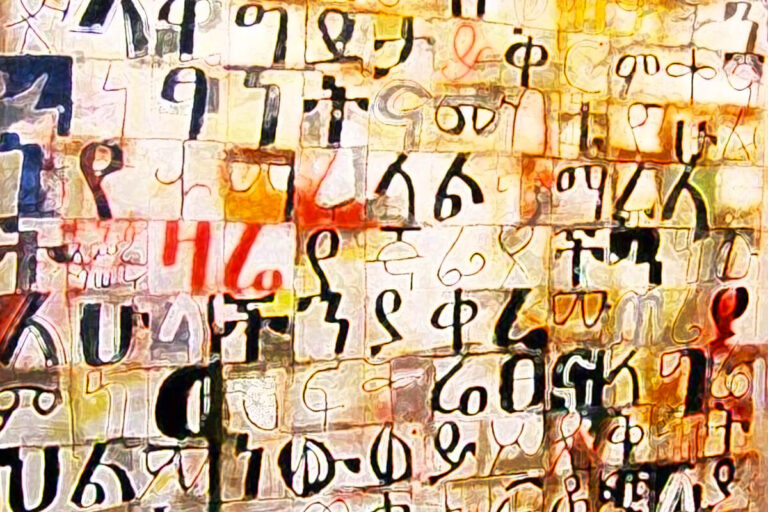
Africa boasts over 2,000 languages, a testament to the continent’s incredible diversity. Swahili, with its melodious flow, carries the whispers of trade routes and ancient stories. Yoruba, with its tonal inflections, paints vivid pictures with every word. Amharic, with its ancient script Geez, whispers of a civilization steeped in history. Each language is a unique window into a specific culture, a celebration of the richness and complexity of the African continent.
Beyond Our Heritage
Perhaps you never learned your native tongue, but the yearning to connect with your roots is strong. Or maybe you’ve mastered English, French, and Spanish, and are looking to explore a new linguistic adventure. Maybe now’s the time to turn your ear to African languages? There’s Swahili, spoken by millions across East Africa, or Bambara, the lingua franca of Mali. Explore the rich tonal tapestry of Yoruba in Nigeria, or delve into the poetic beauty of Fon, spoken in Benin.
Taking Action: Reclaiming Our Languages
Here are some ways you can reclaim your language heritage and ensure its future:
- Advocate for change! Support initiatives that promote African languages in education and media.
- Start with yourself! If you’re not fluent, find resources to learn your chosen language. Several universities now offer African languages.
- Speak it at home! Make a conscious effort to speak your native language with your children.
- Embrace technology! Use apps, online communities, and educational tools to keep your language alive. Increasingly there are animations that aim to teach children native African languages, like Ebi Folorunso:
Every language we lose is a piece of our collective humanity that disappears. Let’s commit to reversing this trend. Let’s reclaim our languages, celebrate their richness, and ensure they continue to be a vibrant part of our heritage for generations to come.
Which African language do you speak? Which one do you want to learn? Share your thoughts in the comments below!
Related post: Are African Indigenous Languages a Threat to Unity?