
Back in 2012, before I first moved to the cultural melting pot that is London, I had only met people from England, Ireland, Pakistan or Jamaica. That came with living in a small northern town – one that many of you won’t have heard of. It was in London where I met people from all over the world, and it was in London where I met Okasa, a proud Ghanaian man now living in the U.K.
As soon as my friend Okasa opens his mouth, you are welcomed with a soft, Ghanaian accent – an accent that he is extremely proud of. I have long wondered how Okasa manages to keep his African culture alive while living in the UK.
So I asked him.
Hello my friend! Tell everyone your full name.
My full name? Ok. My name is Odaitei Okasa.
Does your name have a meaning?
Yes, it does. My full name is Nii Odaitei Okasa; Nii means King.
Where were you born?
Well I was born in Ghana, Accra city, in a town called Teshie.

For people who have never been to your hometown before, could you paint us a picture of what it’s like there?
Whenever I hear Teshie, my town name, I get excited! It’s my home. I always said, if I become a celebrity or maybe a footballer who is rich, If I could do anything for anybody, it would be for my home town. If you say something bad about my town, you’ll get in trouble! Teshie is a small town, maybe like where you are from, everyone knows everyone. Very family orientated. Their main source of income is fishing. That’s what our forefathers did. We have a festival in August that is very well known, not just in Teshie, but the whole of Ghana and it’s called Homowo. It’s massive. People come from everywhere to go to that festival. We love sports. Football is something that brings us together. So yeah, Teshie is a bit more community based.
When did you move to London?
2005.
What made you leave Ghana?
For a better life. More opportunities in terms of work and having a family. A better life in general.
Was there anything you wanted to bring from your Ghanaian culture to the new British culture you were about to experience?
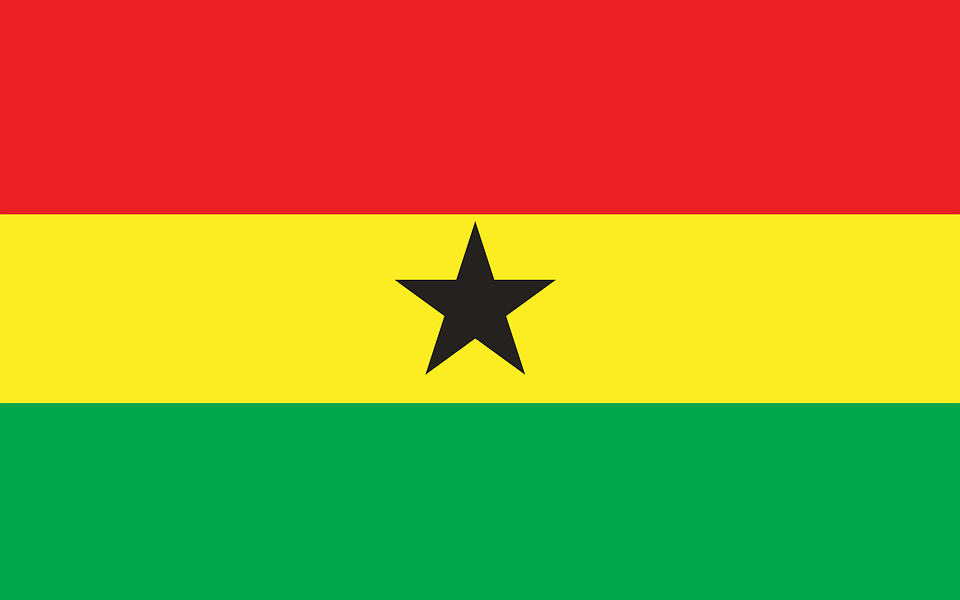
Yeah, everybody that comes from Ghana knows there’s something about our culture that they must bring with them. About 90-95% of people will bring something, whether it’s clothes or some food. I brought African clothing and in terms of food, I bought garri and dry fish. Now you can buy these fish locally but back then you couldn’t really.
What was the biggest culture shock for you when you got to the U.K?
When I got to the airport, and we were travelling to London, I still didn’t believe I was in England. What is portrayed to you, what you see at the beginning, it doesn’t look like that at the end. It was a bit weird. I came into a country and it was a bit different to what I was used to. I can’t pinpoint anything in particular. But once you start living here, you get used to it.
Did you find it hard to continue to keep Ghana as part of your new life in England?
Not really. It depends where you go and the people you meet. When I came, I already knew people here. Sometimes, people may go to a town or a city where they don’t have a big black community, but I came to London. I was with Ghanaian people. I was eating Ghanaian food. I was talking my language.
You’ve already touched on this but was your Ghanaian culture accepted in England? Has anyone ever made you feel like you can’t be true to your Ghanaian roots?
No, I think Ghana is like one of the biggest African countries, meaning that, it was already well established here so when you met someone and you mentioned Ghana, it wasn’t strange. Where I lived, they welcomed my people so it wasn’t hard for me at all to be honest.
How do you keep Ghanaian culture alive in your everyday life?
Well, if you know me, when I speak English you will know I wasn’t born here. There are people who want to try and change others to make them English. I know my country or my culture will not depart from me. It’s the way you behave, the way you talk, wherever you go and the way of your life, it’ll never leave you. It’s about adaptation. You can adapt to the country but there are some stuff that cannot be taken. Even though you are living in the U.K, you can’t say ‘I am fully British’, because it doesn’t work like that. If my friend comes round, I’ll cook food from my home. If I am talking to other Ghanaian people, I speak my language. I don’t have to speak English. When it’s summer, I wear my African clothing. These are the things that won’t go away and stay with you. If you conform, before you know it, everything that you know is gone.
Linking back to the point about cooking for your friends, what would a typical dish be in your house?
Banku or jollof rice with chicken. Banku is more like a maize and you eat it with okra. More people know about jollof rice now and link it to Ghanaian and Nigerian culture. I’m not saying I don’t like other cuisines, but if someone comes to visit us, we want to give them something from where we are from.
Now you’re a parent, how important is it to pass on your Ghanaian culture to your children? Of course, it’s their culture too, but being born in England, how do you let them know of their heritage?
That’s a difficult one that, especially, the African community face. If you meet children from other cultures, they can speak their language. The African language is very difficult. Your time with your kids can be limited so if you don’t speak to them in your language, they’ll never get it. If you don’t give them some of your cultural food, they’ll eat other things. They won’t give them jollof rice at school. With me, even though my children can’t speak the language properly, I still talk to them in my language, even if they have to ask ‘what does that mean?’. I bought my first born, a teddy bear that I named Teshie. That will stay with him forever. It’s just little things you can do to help them learn the culture.
Going back to when you said you speak your language, what language do you speak at home?
In Ghana, we have about ten languages and there are two main ones that are spoken. Where I am from, in Accra, our language is Ga and the bigger one is called Twi.
Can you speak both languages?
Yeah I speak both of them. There’s more Twi speaking people then there is Ga. It’s easier to learn.
Those who speak Twi, find it hard to speak Ga but a lot of the Ga speaking people can speak Twi.
You go back home often don’t you?
Not as much as I like but I try to go back once a year. In 2013, I went back and built a house.

As a Ghanaian, born and bred, we are taught to build properties for our future. My parents did. I’m encouraged to build and my children will be too. It’s a bit similar to mortgages. Not everyone can do that so it’s important that those who can and travel out of Ghana are able to go back home and continue the legacy. That helps keep the culture alive too.
Have your children been to Ghana yet?
No, this time will be their first time!
What’s your favourite part about going back home?
I’m a family person and when I go home, the most important thing is seeing them, socialising and seeing friends I haven’t seen for a long time. The second thing is the food! The way the food tastes back home is different from the way it tastes here. I don’t know if it’s the environment or the place that makes it something else, but you can cook jollof here but when you are eating it in Ghana, there’s just something else!
What advice would you give to someone who was planning on leaving Ghana to move to the U.K?
Wow. It’s a place where I would say, come to, because the opportunity you can get here is much much more than you could get in Ghana. You have to take your opportunity here. You are the one that makes it. Don’t think that when you come to Europe, that money grows on trees. I’ve seen some people come and they have no money, they don’t work because they’ve seen the “easy life”. If you’re coming from Ghana, you need to know you need to make it work. You could end up being in a worse situation than someone from back home. You have to use the opportunities here. That’s the key.
What do you want people to take away from this interview and how do you hope Ghana has been received?
Well, I hope people will have learnt a bit more about Ghana from this interview. A lot of people might have known about Accra but might not have known Teshie, my home town – that’s the most important part to take away. Also the advice for people thinking to come over from Ghana.
Keep using your culture, even if you use it big or small, that’s how we keep it alive. They’re the main things.
Now read: What’s it like being a British African in Belgium?
If you are an African living in the diaspora, how do you keep your culture alive? Tell us in the comments!