


South Africa is famous for its diversity, and South African cuisine is no exception. The local foods and flavours reflect the diversity of culinary traditions embodied by the many different cultures that inhabit the country. Renowned for being the rainbow nation, South African food could quite aptly be named rainbow cuisine for the same reason. All of the rich ethnic and traditional influences have merged with international essences over time to create a vibrant and colourful rainbow of gastronomical tastes and practices.
South African food combines tastes and traditions from local ingredients like original African plants, roots, fruits, vegetables, grain, and game with external European influences from the Netherlands, Britain and France. A measure of Asian flavour can also be found across South African food today, most prominent in the Kwa-Zulu Natal province, where it was originally brought into the country by the Indian railway workers of the British settlers who inhabited the country in the early 1800’s. In fact travelling across the nine provinces in South Africa almost feels like you’re travelling across different countries when it comes to the diverse range of foods and flavours that make each province culinarily unique.
After the end of apartheid in the 1990s the country witnessed a great renaissance and a melting pot of local dishes rose up to cater to tourists, expatriates and locals alike.
One of my favourite things about the South African nation is how gatherings among any of our diverse cultures are almost always centred around the preparation and enjoyment of local traditional food. Here are a few of my most recommended iconic South African foods and dishes that represent the country’s diverse tastes and flavours, along with a few personal tips on how best to enjoy them.
Braai /shisa nyama
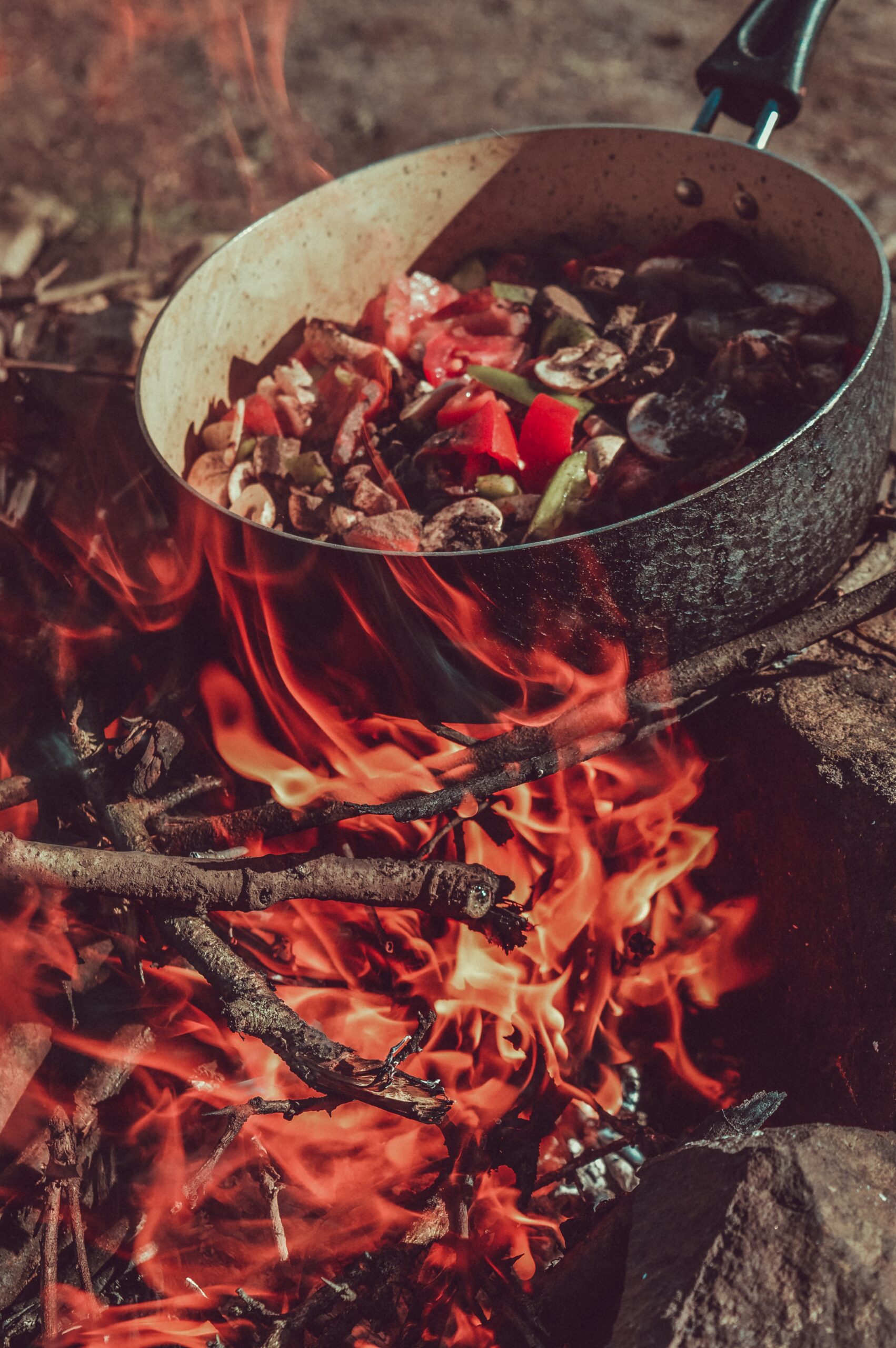
Although widely thought to be an Afrikaans tradition, the South African “braai” actually refers to cooking over an open fire, and is how Zulu people used to cook traditionally in earlier times and still do to this day. The “braai” is actually one of the food traditions that unify South Africans because outdoor cooking is something all of the different cultures enjoy. Weekends usually revolve around inviting family and friends around for an informal “braai” or “shisa nyama” where the men will cook the meat and the women will create delicious sides of pap (see below), starch, vegetable plates and scrumptious salads.
Pap
Pap is the number one staple food of rural South Africa owing to its versatility and cost-effectiveness. Perfect for breakfast, lunch or dinner it is a type of maise flour porridge that can be cooked to a runny, soft or thick consistency and can be served as a savoury or sweet dish. Pap is also very popular as an accompaniment to braai meat in South Africa. Although originating in the poorer rural communities, pap has transcended the cultural divides and is enjoyed by pretty much everyone at their local braai or shisa nyama. My top tip for making pap even tastier as a side to braai meat is to add a tin of sweetcorn and mix it into the water and mielie maise as you cook it. Simply scrumptious!
Rooibos tea
Rooibos tea is a herbal tea that is made from the leaves of the Aspalathus linearis bush endemic to the Western Cape of South Africa. The reddish-brown colour of the tea comes from the process of fermenting the leaves and is usually drunk like black tea without any milk or sugar. Rooibos tea is actually free from caffeine and rich in antioxidants, so it’s my favourite hot beverage to enjoy late in the evening to relax and destress after a long day.
Umngqusho
A traditional favourite dish for the Xhosa people, Umngqusho is made from white maize and sugar beans. Other ingredients such as onions, chillies and garlic are sauteed, seasoned to taste with spices and then added to the beans and maize to cook together. This dish can be described as a type of stew and is famed to be one of Nelson Mandela’s favourite meals. Admittedly, I have not actually cooked this dish myself, but have enjoyed it on a few occasions at my friend’s weddings or birthday celebrations and it always made me wonder how Nelson Mandela experienced the tastes and flavours when he ate his favoured Umngqusho dish.
Koeksisters
There are two varieties of koeksister foods famous in South Africa. The traditional Afrikaans variant is a twisted, deep-fried pastry that is heavily sweetened with syrup. The other variant which is found in the Cape Flats is a sweet and spicy deep-fried doughnut shaped like an egg. Both are delicious and should be on your list to enjoy during a visit to the country but be warned, they are so deliciously sweet, you will need to wash them down with a glass of water or milk.
Chakalaka
Another traditional South African dish that can best be described as a spicy vegetable relish made with tomatoes, beans and onions, is called Chakalaka. There are many ways to prepare Chakalaka depending on which region or family tradition influences it and it is traditionally served with bread, pap or hot stews. In my household, Chakalaka is added to at least three meals a week and makes for a very healthy gravy type topping to dress pretty much any meaty dish.
Biltong
The method of dry curing to preserve meat was traditionally used by the indigenous tribes of South Africa before fridges were invented. Today, famous the world over, biltong is salty dried meat that is typically seasoned with coriander seeds and salt. Usually made from beef meat, some variations made from South African game meat such as springbok, kudu, and ostrich are also quite popular. Although quite easy to find biltong in the United Kingdom due to the number of South African ex-pats living here, I actually enjoy making my own biltong at home. Using a small biltong maker makes it really easy and you can experiment with different meats and marinades to find flavours and tastes to suit your particular palate.
South African cuisine and her famous ingredients have gained greater visibility worldwide over the last few decades owing to the boom of the South African diaspora. Have you tried the wonderfully delectable South African cuisine for yourself?
Let us know if you have any other traditional South African foods that simply have to be tried that we should add to this list.
Sources:
https://www.jyu.fi/viesti/verkkotuotanto/kp/sa/cul_cuisine.shtml
https://www.teatulia.com/tea-varieties/what-is-rooibos.htm
https://www.nationalgeographic.com/shows/gordon-ramsay-uncharted/gordon-ramsay-s2-south-africa-cooking/


