


It may be the smallest country in mainland Africa, but The Gambia still packs a punch – not least with its food. To appreciate Gambian food you’ll need to like rice, or dishes like domada (groundnut sauce) and benachin ( rice cooked in a tomato, fish and vegetable sauce) will pass you by. In fact, rice with a choice of stew – fish, goat, lamb, chicken or goat – is what most Gambians prefer to eat on most days for lunch; you’d be hard-pressed to find any pork as the majority of Gambians is Muslim. Dinner is usually chicken or some incarnation of seafood: barracuda and butterfish are popular, as are Gambian oysters and shrimp (The Gambia is a major exporter of shrimp). Dinner is usually served with a variety of accompaniments: rice, salad, couscous or bread. If you’re vegetarian or vegan, you won’t be left out –especially delicious is niebbe, spicy red beans served with bread. Most Gambian food is simple to prepare, which is part of its appeal, and very delicious, too.
Gambians have their tradition of eating food: lunch is usually served in a large, common food bowl from which all gathered diners eat. Traditionally, diners will be seated either on the floor or on a wooden stool. Food is usually eaten with the right hand, although European practices (cutlery) are increasingly the norm.
Try these traditional Gambian foods
Afra/Dibi

This is probably the country’s national street food, although it’s more of a substantial snack – you probably wouldn’t need to eat again afterwards. Afra is made from cubes of meat – any meat – grilled/barbecued and then seasoned with salt, black pepper, cayenne pepper and Maggi cubes or similar. Some add mustard, although this is not considered authentic afra. Thick-sliced, fried white onions complete the dish. Try this recipe.
Benachin

Benachin, the Wolof word for ‘one pot’, has been described as Gambia’s version of jollof rice, and to the extent that it is cooked in one pot and shares the core constituents of jollof – rice, tomatoes, onion, tomato paste, hot peppers and spices– that’s probably a fair assessment. Where the Jollof-style recipes tend to differ is in the additional ingredients: what is added and how. Try this recipe
Domoda

The perfect comfort food, domoda is perhaps the most widely eaten of Gambian foods. It’s essentially a peanut stew, slow-cooked to produce a rich, moreish stew. Although meat is traditionally added, you can omit this for a hearty vegan meal. Typically served with rice. Try this recipe.
Akara
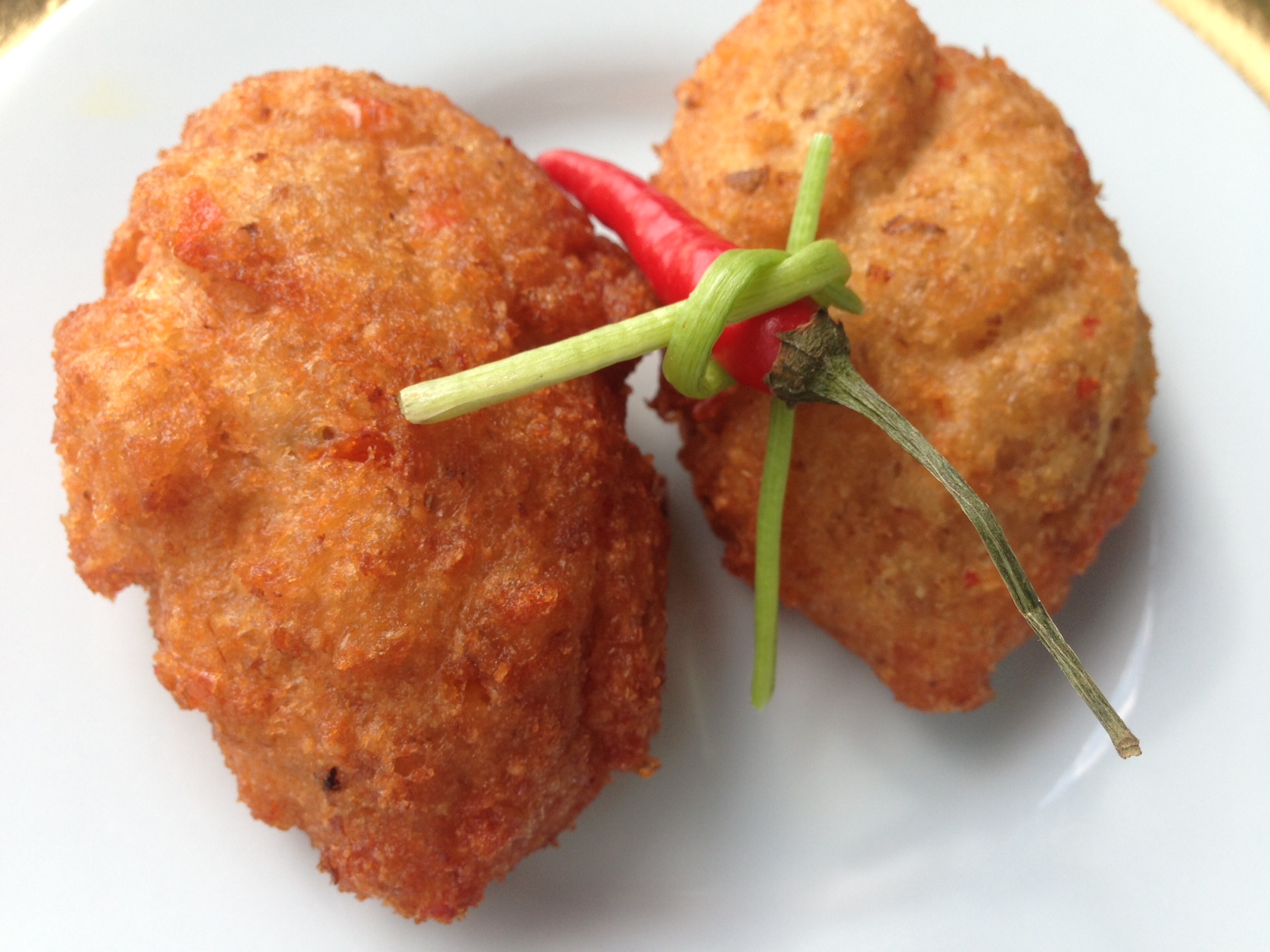
Popular across West Africa, akara is a type of fritter made from black-eyed beans that are grounded with pepper, onions and salt into a batter that is then deep fried. Akara is usually eaten for breakfast and served with tapalapa bread. Try this recipe.
Tapalapa bread

Resembling a baguette, tapalapa is typically eaten at breakfast, with akara or beans. Tapalapa is made from four types of flour: wheat, millet, flour and cowpea (niébé) flour and baked in a special tapalapa oven.
Poulet Yassa
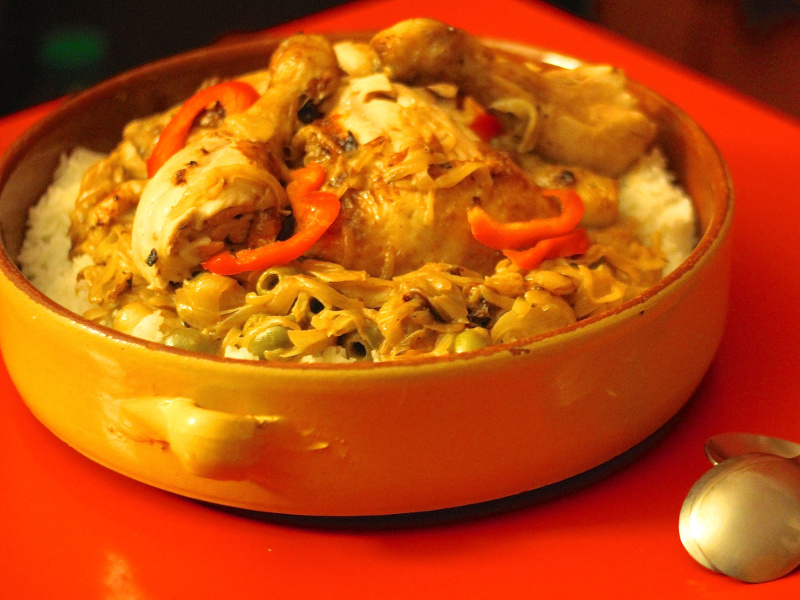
A dish extremely popular across west Africa, poulet (chicken) yassa is a dish that manages to bring out deep flavours from relatively simple ingredients: smoky chicken, plenty of sweet onions, mustard and lemon. It can also be made with lamb or fish. Try this recipe
Gambian oyster stew
Gambia’s coast is blessed with an abundance of oysters, which traditionally are harvested by women. These ‘oyster women’ supply their catch to restaurants and the market (there’s an Oyster Women’s Association especially for Gambia’soyster women’, of which there are a few thousand), and even door-to-door. In this short interview with CNN, Yabouy Home Cooking School founder Ida Cha Njai speaks of Gambia’s love for oysters, which are eaten for breakfast, for lunch and for dinner’– as a delicacy on their own (with a squeeze of lime), in stews, or even in a sandwich. Try this video recipe for oyster stew.
Thiakry
Gambia’s version of rice pudding, thiakry is a subtly sweet, couscous dish made with milk (or sweetened condensed milk or yoghurt) and spices. Fresh or dried fruit is sometimes added for texture. Try this recipe
Gambian Beverages
Wonjo juice
This refreshing non-alcoholic drink is made from dried hibiscus (sorrel) flowers and sugar.
Baobab juice
A delicious, non-alcoholic drink from the baobab tree.


