


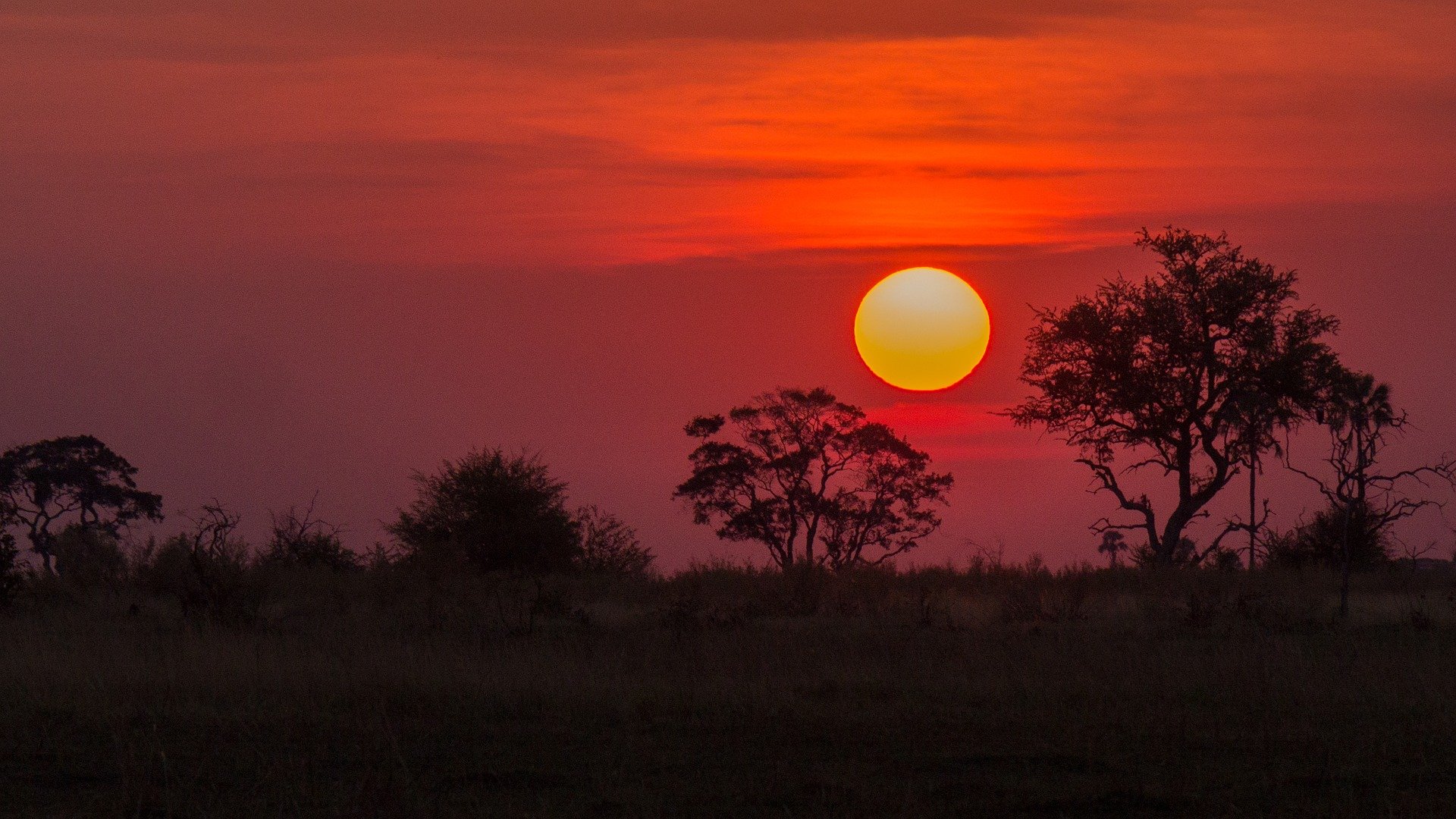
For many people, an African safari is a serious bucket list trip.
From getting up close and personal with species native to the continent – think cheetah, wildebeest and zebra – to witness the vast beauty of the bush, there are few experiences like it.
Contrary to popular opinion, safari holidays don’t have to cost the earth. From all-inclusive, bells and whistles tours to self-drive options; there are now trips for every budget.
However, one thing is for certain – all safaris require some serious planning. Here are some important safari tips to get you started.
Know when to go
The first safari tip for you is knowing when you should go. This depends on what you are hoping to see. Specific events like the Great Migration, or the wildebeest calving, can only be seen at certain times of the year. So bear this in mind when doing your research.
When planning your African safari, you should also consider the seasons, as with each comes a different type of safari. In the dry season, you are likely to see more (as the animals have less cover from the bush) but both tourist numbers and prices are higher.
Whilst in the wet season, you can expect roughly the opposite. Wildlife is harder to spot in the lush vegetation. However, you take this risk at a lower cost and – with less company.
Decide where to go
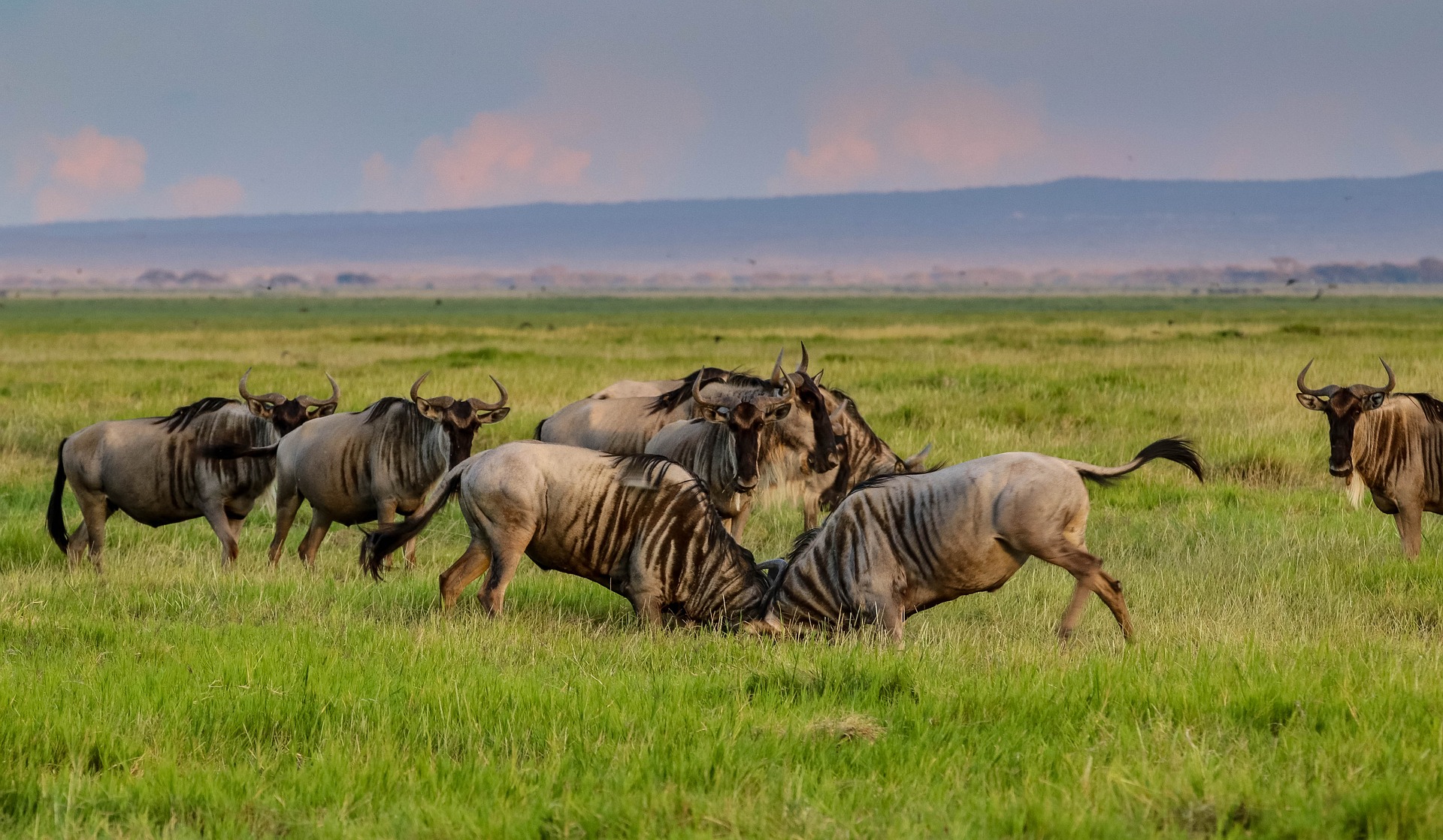
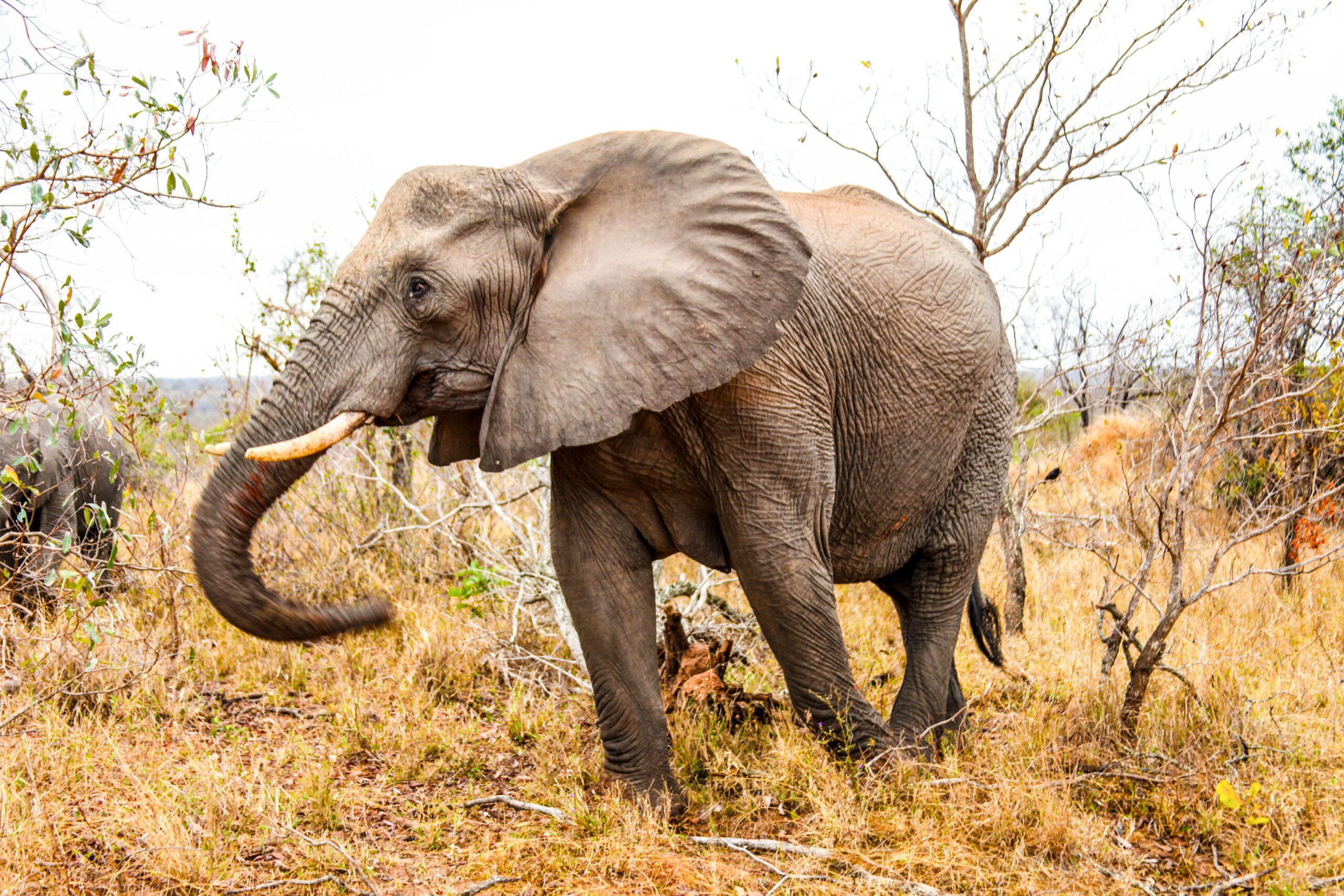
South Africa is a perfect destination for first-timers as there are hundreds of National Parks, all offering competitive prices. Kruger National Park, especially, is home to an abundance of wildlife, including elephant, rhino and buffalo. It is also a great choice for those wanting to combine a safari within a longer trip, as there are plenty of other activities. There are majestic mountain ranges, historic towns and more than a handful of vineyards.
If your heart is set on witnessing The Great Migration, you will need to make for either Kenya or Tanzania – sometime between June and September. These countries are also great destinations for a safari during the winter. And, January through to March, Tanzania is the place to be for the wildebeest calving season.
Namibia’s natural beauty is as much of a draw as its wildlife. From salt pans to sand dunes and grass plains to woodland, there are some truly diverse landscapes. Tourists can go kayaking, sand boarding and even visit Africa’s largest canyon. Due to good infrastructure, it is relatively easy to drive (see below). Oh, and the safari is also top-notch – head to Etosha for the chance to lion, leopard and giraffe.
Lying to the east of Namibia is Botswana, which specialises in low-impact, high-quality trips. Said to be a favourite of Prince Harry, you can expect to pay over and above for a safari here. That being said, it makes for a truly unforgettable experience. Boat safaris, in The Okavango Delta, offer the chance to see hippos, crocodiles and a plethora of bird species. And you can even spend the night on a houseboat. Wildlife is plentiful and guiding superb. But it is perhaps the secluded nature of Botswana that makes it so special.
Decide how much you want to spend
Whilst National Parks can get extremely busy they remain the most affordable option. Many in South Africa can be visited using a rental car, which makes them perfect for day trips. They also offer flexibility for those staying overnight, with various types of accommodation on site. And if you do opt for a hotel in a nearby town just remember that you might miss out on early morning wildlife action.
At the higher end, there are private game reserves, which offer luxury accommodation, world-class guides and close proximity to wildlife. And unlike in National Parks, you can get up close and personal with the animals, as your guide is not restricted to the dirt roads.
Transport options also vary – from open-top jeeps at the higher end to crowded minibuses with pop-up tops at the other. For the adventurous, there are even now cycle safaris. Plus the option of self-driving.
Guide vs. Self-Dive
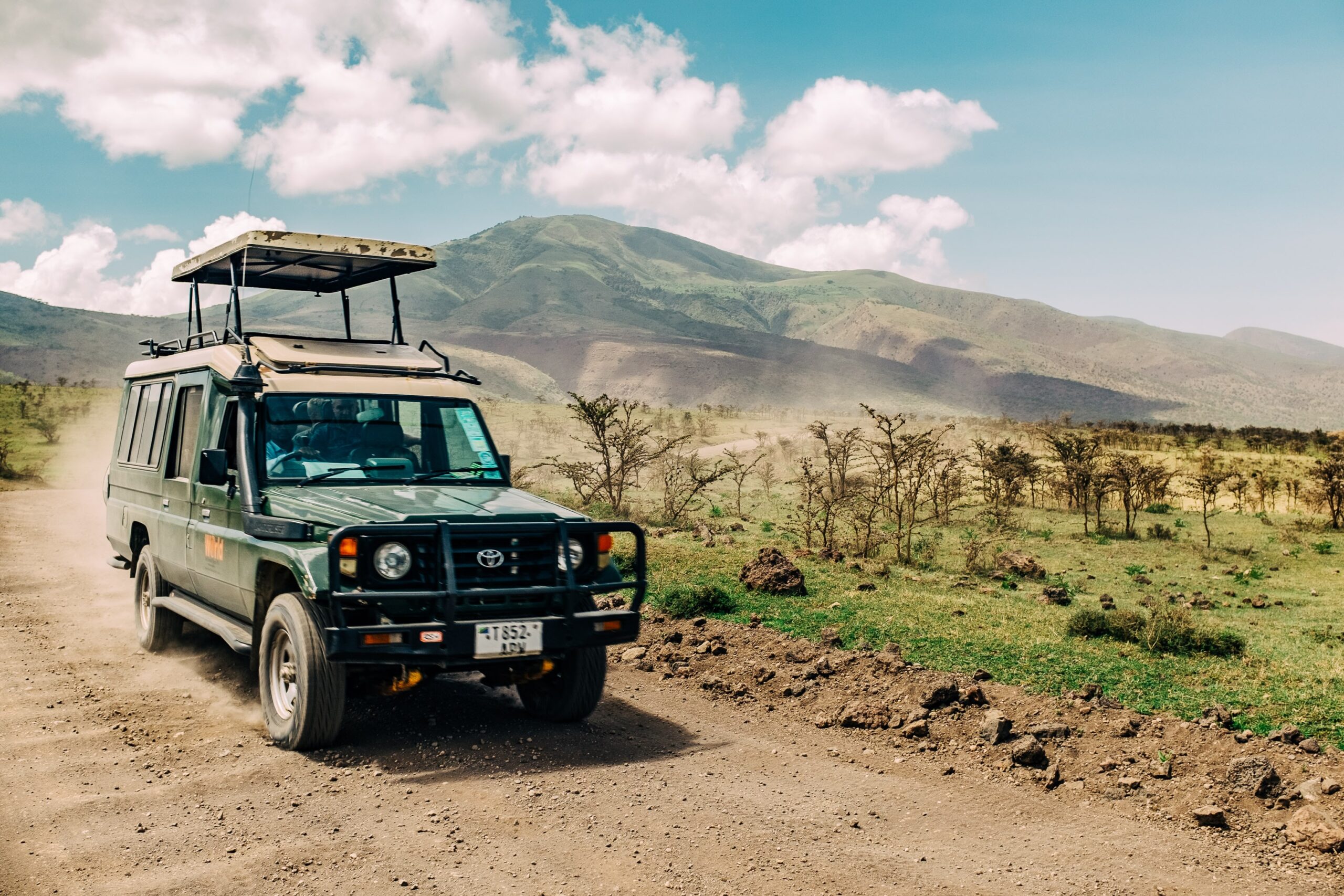
A self-drive African safari requires some very careful planning, especially if you are headed for East Africa. That being said, it can result in an extremely cost-efficient trip. After all, you either sleep inside, on top or – even beside – your jeep. And, whilst the average rental price for a 4WD vehicle is upwards of £120 per day, your only additional costs are food, park fees and campsite costs.
Another plus is that, unlike organised tours, you will not be stuck with other people. Meaning you can spend as much or as little time with an animal as you like. That is, provided you can find them…
One simple reason for going with a group is that you benefit from the company of a guide. They are experts at spotting wildlife and, by sharing their vast knowledge, can really bring a day in the bush to life.
Providing you all get on, there can also a sense of camaraderie within a group – especially when “spotting” out in the bush. And sharing dinner with the same likeminded folk in the evening, whilst recounting the day’s spectacular sights, can also be an unexpected delight.
Pack well
Dawn safaris – unsurprisingly – start early! So if you are heading out in winter, be sure to pack some warm clothing. Think layers plus a hat, scarf and gloves, all of which can be shed as the temperature picks up.
Unless you have a serious zoom lens (focal length upwards of 200m) your camera is not going to do the wildlife much justice. By all means, take one, but there is no guarantee animals will be close to your vehicle.
Instead, take a good pair of binoculars, sit back and enjoy the ride. We recommend buying a pair or, best-case scenario, borrowing some from a good friend (neither lodges nor guides will provide them).
Think bigger than the ‘big five’
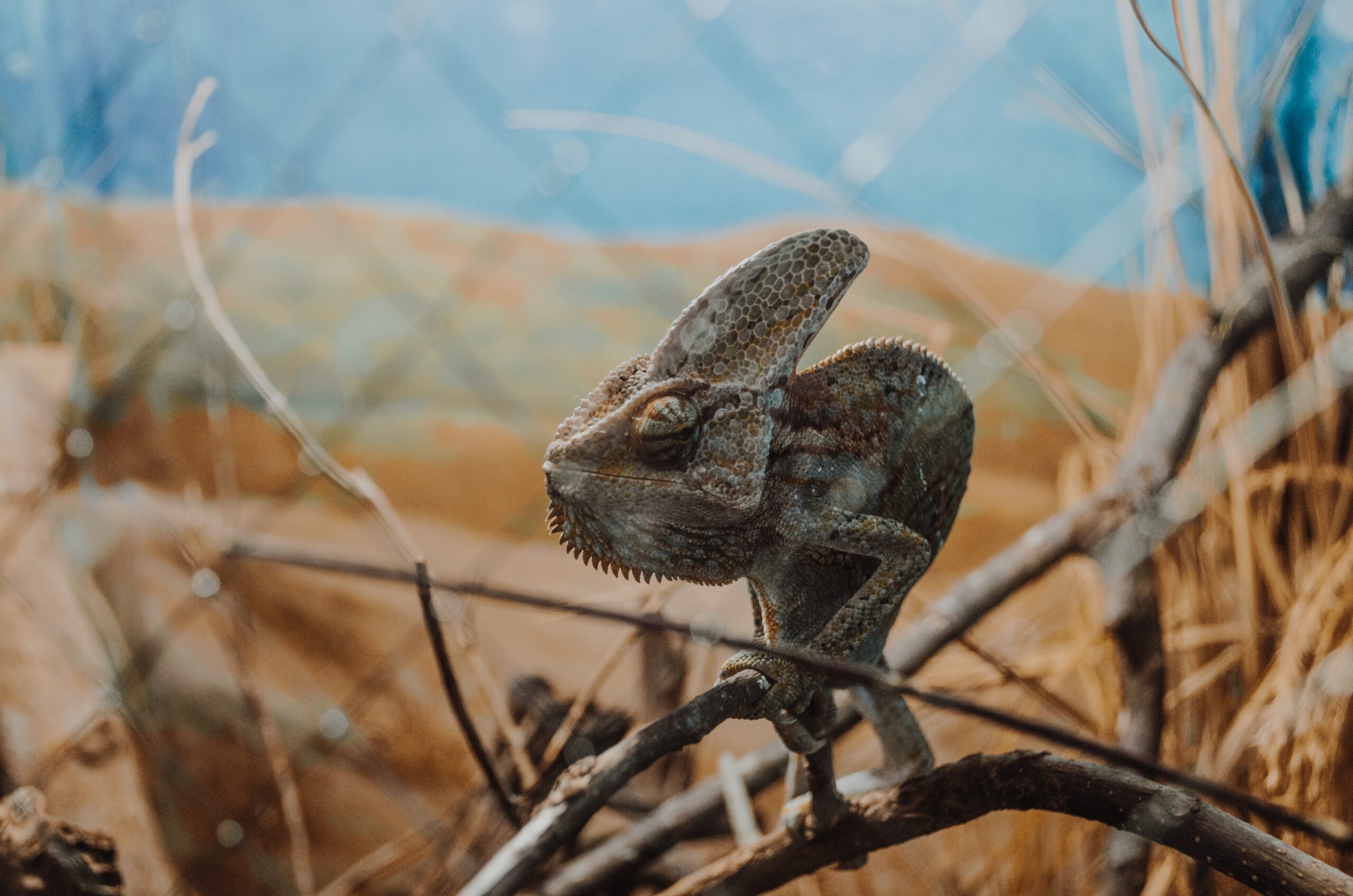
Often we get so fixated on things we want that we miss out on what is in front of us. I speak from experience, as I almost fell victim to this, whilst on safari with my family one year.
Desperate to see a leopard, I spent the first few hours scanning the horizon with our binoculars. And in doing so, I almost missed out on a whole host of other critters!
Fortunately, our guide took the time to not only point out water buffalo, guinea fowl, peacocks, tortoises (!) and some seriously funky birds – but really bring them to life too. And whilst we did end up seeing an elusive leopard that day, by that point the experience had already surpassed my greatest expectations.
Be patient
And smile! Sure, you’ve had an early start. And you’ve spent your whole life wanting to see a rhino. But like much of life, safari is a game of luck. So just relax and listen closely to your guide. Like me, you will soon learn that there is a ton of other fascinating species to discover! And you will also begin to take joy in the silence and serenity of the landscape itself.
So what do you think? Do you fancy a week in the bush? Are you all set for your 2021 African safari now? On second thoughts, read this article too. Then you’ll definitely be ready.
Sources
https://www.lonelyplanet.com/articles/south-african-safaris-for-first-timers-8-tips
https://www.lonelyplanet.com/articles/self-drive-safari-africa
https://www.alongdustyroads.com/posts/africa-safari-tips-essentials


