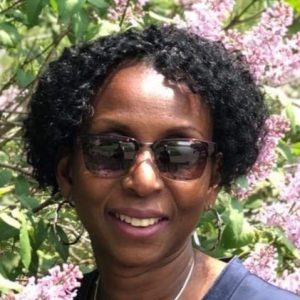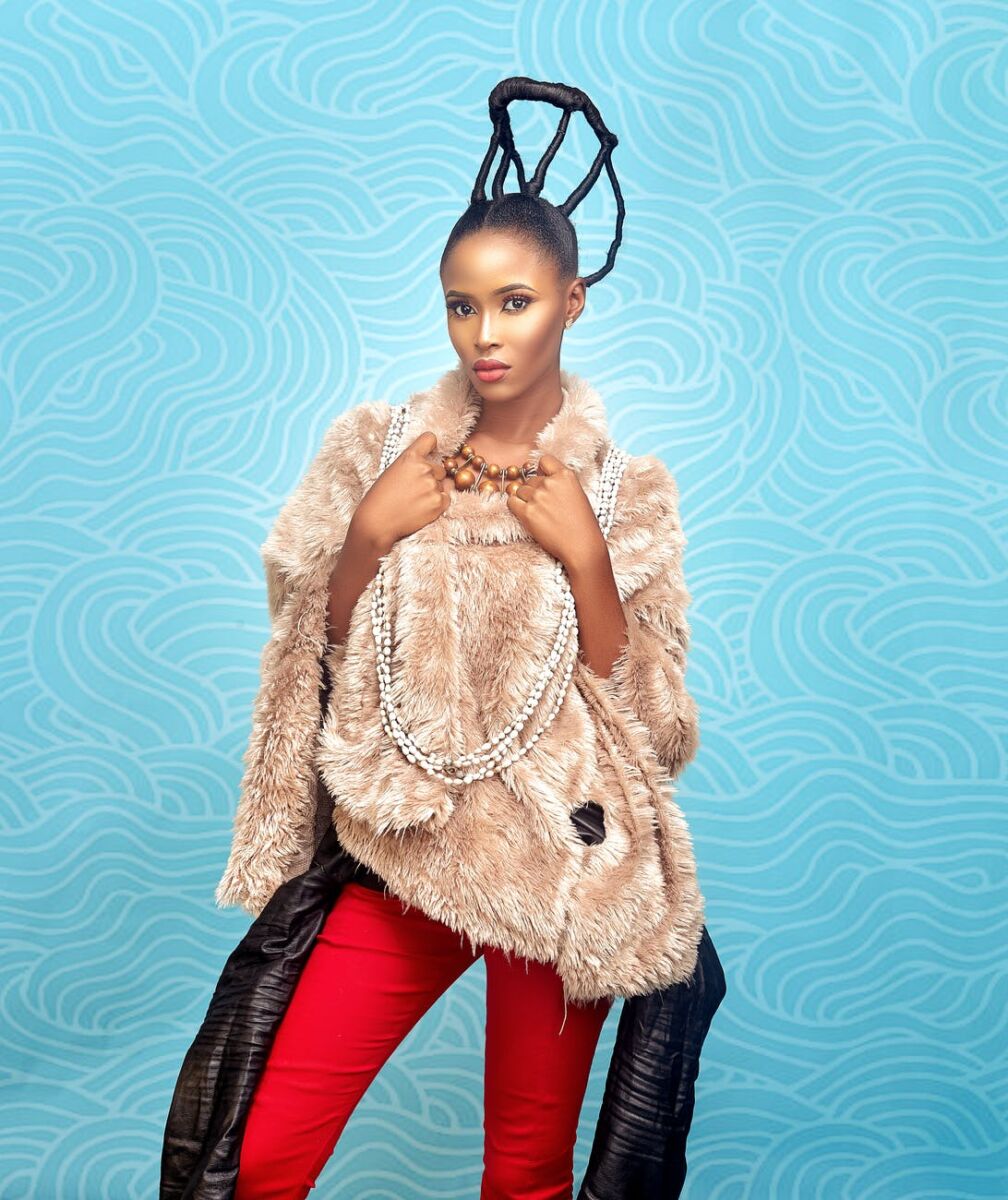
Hair is the crowning glory of all women – and Black women’s hair is no exception.
Spend on hair care is officially the biggest beauty-related investment of women. According to consumer market data from Statista, the total value of the haircare market in Britain was worth 1.29 billion pounds in December 2020. Given that black people make up only 3.3% of the total population, Black women spend six times more on their hair than their white counterparts, often using more than one haircare product at home. Besides hair care products, black women spend enormous amounts on wigs, weaves, and extensions. But how did we get here?
Here’s a brief introduction into the possible origins of the pre-occupation with African hair, by hairologist Nsibentum. The hairologist, speaking to the BBC, explains the negative connotations of the word ‘kinky’ as applied to Black hair and describes his quest to encourage Africans to embrace and look after their hair using age-old techniques.
The roots of Black women’s hair evolution
After slavery ended, African hair, with its kinky curls in its natural form, was viewed negatively in a world deeply rooted in eurocentrism and where kinky curls were routinely mocked in minstrel songs. To be accepted, Black women sought ways to fit into society. The more they did so, the more the expectation on them to conform to Eurocentric standards of beauty. The arrival of the hot comb, for Black women, was a game-changer.
The comb’s invention is widely attributed to Madam C.J. Walker, known for having been “the first Black woman millionaire in America”; however, it is more likely that it was invented by Frenchman named Marcel Grateau in the 1800s. The growing economical success of Black people in society led to a demand for hair products that would help Black women’s hair get ever closer to the Eurocentric ideal of straight hair, a demand that made millionaires of women such as the aforementioned Madam CJ Walker with her famous “Walker system” of hair care. Many well-known African-American performers of the 1930s, ’40s, and ’50s, styled their hair bone straight, including performers such as Josephine Baker, Nat King Cole, and Little Richard, to name a few. Chemical hair relaxers were an accidental invention by a certain Garrett Morgan, who himself profited from a subsequent, successful line of hair products in the early 1900s. Before long, chemical relaxers became popular among a hungry Black consumer market (straight hair telegraphed middle-class status). Fast forward to today, and most of you reading this article would have made a similar hair journey to mine: from perms to Jeheri curls to wigs, braids and, possibly, natural hair.

“Don’t remove the kinks from your hair! Remove them from your brain!” Marcus Garvey
The Civil Rights Movement of the 1960s and ’70s was a pivotal time for the afro and natural hair movement. Iconic celebrities such as Jimi Hendrix and Angela Davis, Elaine Brown and others affiliated with movements such as the Black Panthers proudly paraded their natural afros as a weapon in the ongoing fight for racial justice and as a visible sign of self-love. A 1972 study of Black teenagers living in St Louis revealed that the overwhelming majority of men and two out of five young women in the city wore their hair naturally. The study captured the national trend. Unfortunately, the gains made were ultimately short-lived as afro hair became politicised and pressure to emulate Eurocentric standards of beauty increased, impacting Black women’s hairstyling decisions. Black women who wore their hair natural were considered “radical” by mainstream media and the 1980s and 1990s ushered in a wave of Black women with straight or permed hair, encouraged by the hair advertisements permeating the airwaves. However, there was push-back from the Black community.
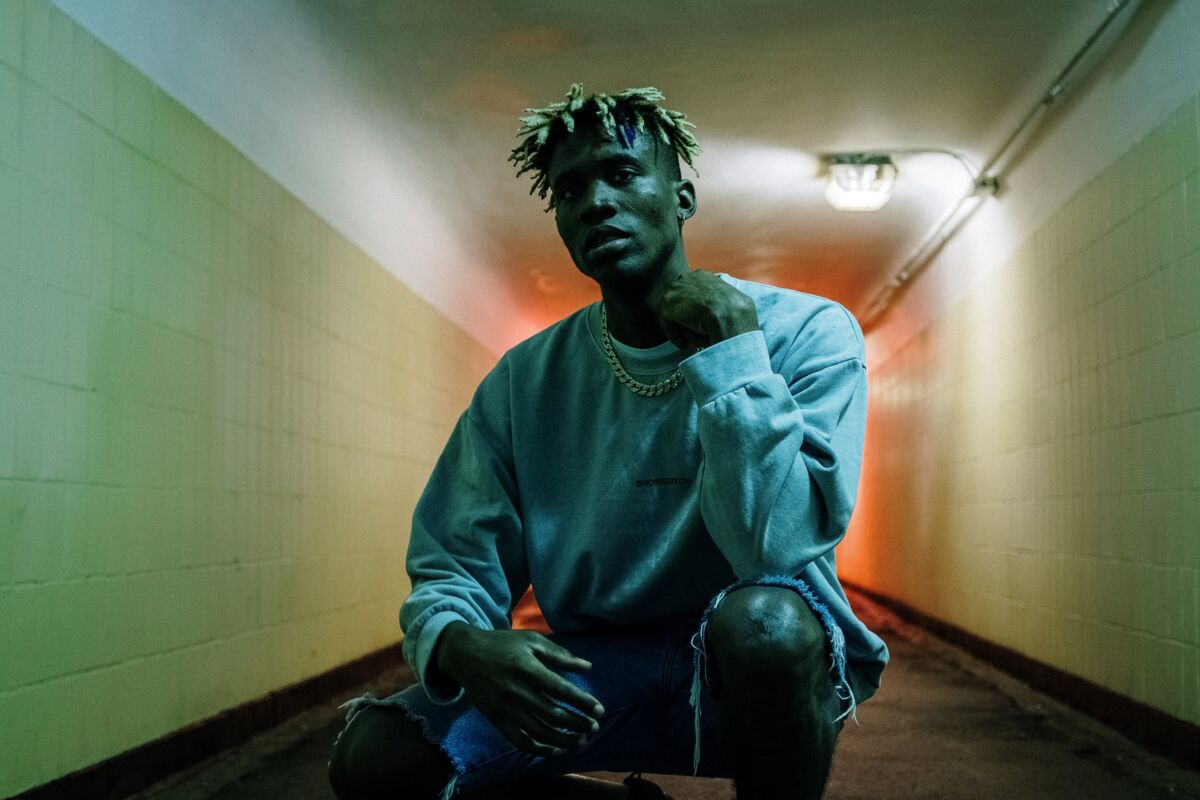
At the same time, the birth of Hip Hop in the 1980s and ’90s saw the emergence of African hair designs such as shape-ups, fade, and high-top haircuts for black men and women such as those made famous by pop icon Grace Jones. These hairstyles have similarities to the amasunzu, a traditional style worn by people in Rwanda. The period also witnessed the emergence of traditional styles such as cornrows and braids – Janet Jackson in the film Poetic Justice is an example. Still, the politicisation of Black hair continued, with discriminatory legal precedents being set. Why the animus towards Black people’s hair?
The struggle for ‘good black hair’
According to the book “Hair Story: Untangling the Roots of Black Hair in America”, Black women on the plantations only had Sundays to care for their hair. With neither the tools nor the time to care for their locks, women would use axle grease while others wrapped their hair to protect it from the elements. Some Black women managed to hold onto their tradition of braiding each other’s hair, a known protective style of maintaining one’s hair But this did not last.
Captured slaves had their hair shaved; this deliberately dehumanized them (to keep them subjugated) and demonized the hair that was once worn as a symbol of pride and beauty and African tribal identity. Blacks observed that mixed-race people with European hair texture were treated differently. So, to be accepted in White-dominated societies, Blacks started to straighten their hair, despite the well-publicised dangers of doing so. Earlier this year, a TikTok post went viral of an African American woman who used Gorilla Glue to hold her hair in place. More tragic than comic, the recency of the episode simply underscored that struggle for ‘good hair’ continues. Still, with the modern natural hair movement, times are a-changing.

Social media has played a pivotal role in the mobilisation and impact of the natural afro hair movement we see today. Black women convene to discuss their hair issues in online forums and write about hair struggles on their blogs. Although the Black Lives Matter (BLM) movement has inspired a call to embrace one’s Blackness (among other things), it would be wrong to attribute the rebirth of the natural afro hair movement to political movements such as BLM: the motivation for wearing your hair naturally is different for each of us. For some people the motivation could be as pedantic as financial: salon hair is expensive hair. For others, the motivation could be to express their individuality – not necessarily their black identity. Or it could be for health/environmental-related motivations (the market share of the chemical straightening market has dramatically fallen).
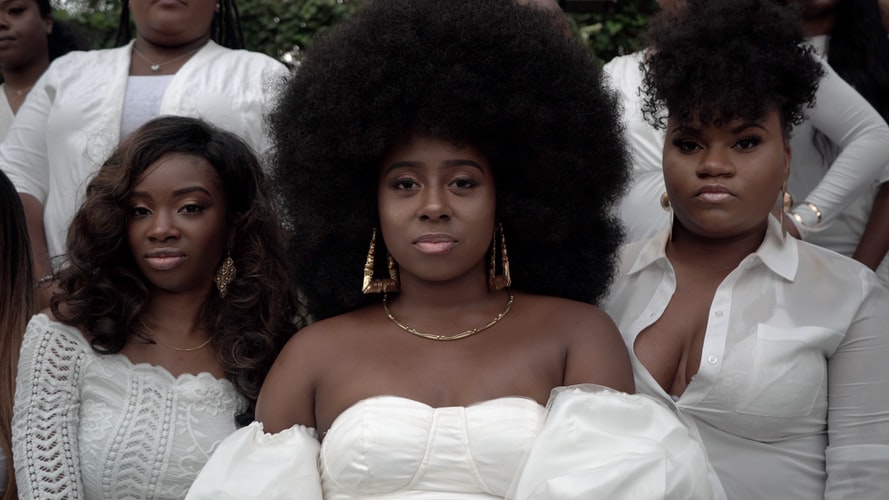
Black women’s hairstyles to inspire you

Traditionally, African hairstyles are meaningful and affirming. With over 3,000 different tribes across the continent, each unique hairstyle represented tribal identity, fertility, marital status, social hierarchy, and spirituality. Here are a few.
Dreadlocks
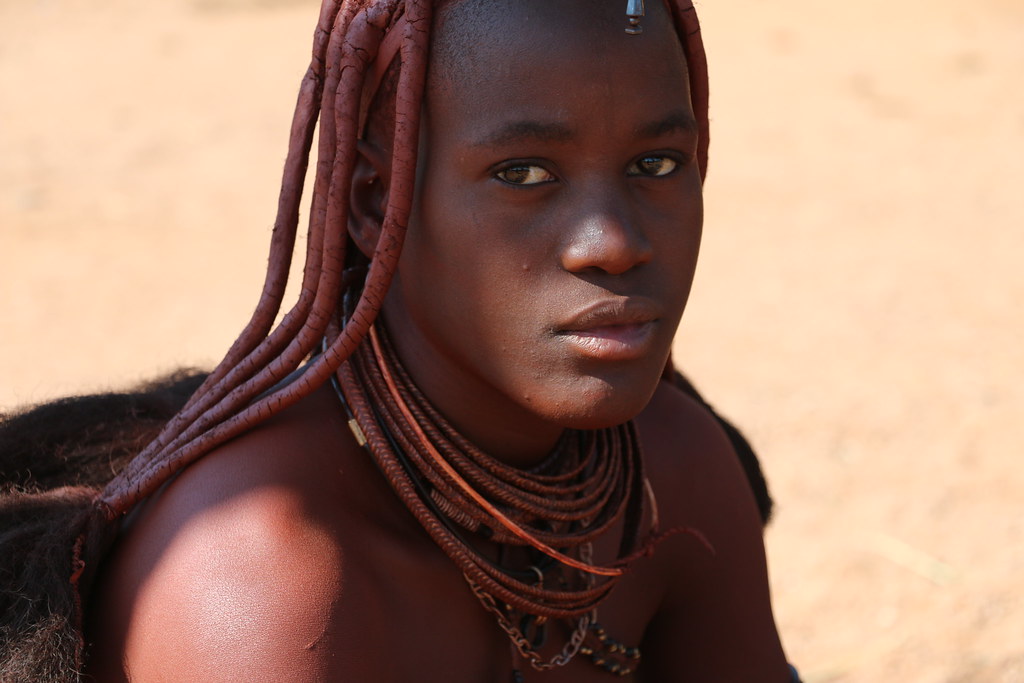
When most of us think of dreadlocks, Rastafarians come to mind. But this hairstyle did not originate with Rastas. Several tribes in Africa wear dreadlocks as protective styles

The Hamar tribe of southwestern Ethiopia roll their locks with a mixture of ochre (a natural clay earth pigment with iron oxide) and animal fat to form dreadlocks. For the men, their styles signify status, bravery, and courage.
The Himba tribe, a semi-nomadic tribe in northern Namibia, uses ochre, goat hair, and animal fat to create long dreadlocks.
Fulani braids

Another well-known African hairstyle with braids adopted by Africans in the diaspora is the Fulani braids. Fulani people are one of the largest ethnic groups scattered through West Africa (Nigeria, Mali, Cameroon, Senegal, Niger, and Guinea). The women cornrow their hair in an intricate pattern that falls into braids or extensions down their backs. The hair is often decorated with beads and cowrie shells. This style is versatile as it can be worn in several beautiful patterns.
Bantu knots

A different style popular among the African diaspora is Bantu or Zulu knots. The word Bantu means ‘people’. The Bantus are a group of indigenous people from Southern and Central Africa: Angola, Burundi, Zimbabwe, Rwanda, and South Africa.
The Bantu knots hairstyle is created by sectioning the hair into parts, twisting individual sections, and shaping them into knots. The beauty of this method is anyone can wear this style, whether your hair is short or long. We’ve also seen this hairstyle worn by celebrities such as Rihanna and even the singer Adele.
What does the future hold for Black women’s hair?

Several natural hair entrepreneurs are taking ownership and creating chemical-free products, especially for black hair. I’m happy to say even the TikTok lady of the Gorilla Glue fame has a new product line for black hair. The natural hair market will continue to grow and expand to meet the needs of a variety of hair textures and types.
Like many black women, my hair journey has taken many twists and turns, ups and downs. I have worn cornrows, Jheri curls (pioneered by a Caucasian man), crochet weaves, and now I wear natural hairstyles and African headwraps.
What do you think, should black women embrace their natural hair and care for it using natural products?
Should we continue generating profits for the European hair-inspired wig and weave industry?
Or should we more be concerned that having the freedom to wear our hair the way we want to should not be the exception, requiring a political protest, but the norm?
Share your comments below, we would love to hear from you.