


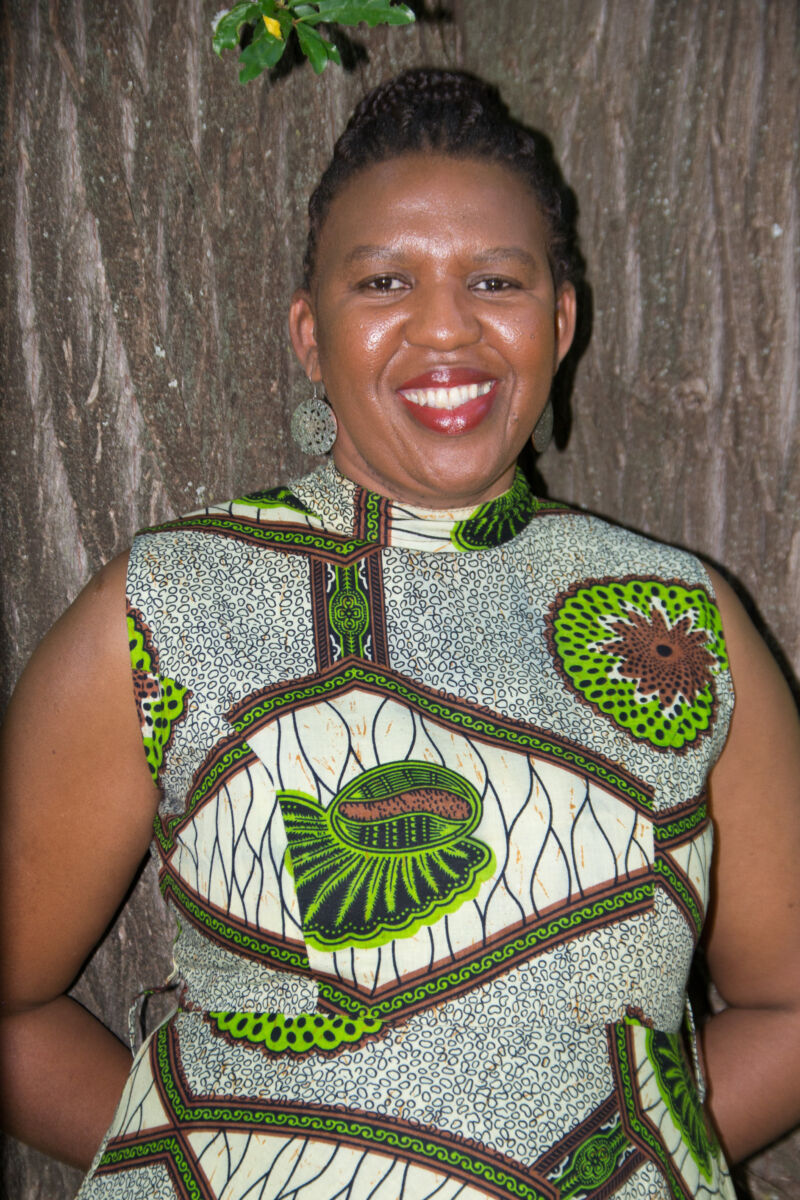
In the Recognition for the International Decade for People of African Descent (2015 – 2024), the UN calls for schools across the world to introduce school children to great men and women of African Descent through books on the school curriculum.
The interview is part of the UN SDG Book Club Africa Interview Series.
Book Title: Rosina Sedibane Modiba: A Dream Denied
Author: Lorato Trok
Publisher: New Africa Books, South Africa
This biography is part of a wider project. Talk to us about that project

This biography is part of a series I’ve been writing since 2018 called Unsung Heroes. It brings to life stories of Black and Brown South Africans who have done exceptional things, especially during the difficult time of Apartheid and achieved in their fields in spite of Apartheid. Rosina’s biography is the first of the two biographies I have published in the last two years. I will be publishing more of these books as I complete my writing projects.
Give us an overview of the central character, Rosina Sedibane Modiba
In the early to late 1970s, Rosina Sedibane was South Africa’s most talented and decorated track and field athlete. Rosina made history when she became the first black South African woman athlete to win a gold medal in 1500m during the multi-racial provincial championships at Pilditch Stadium in Pretoria in March 1977. 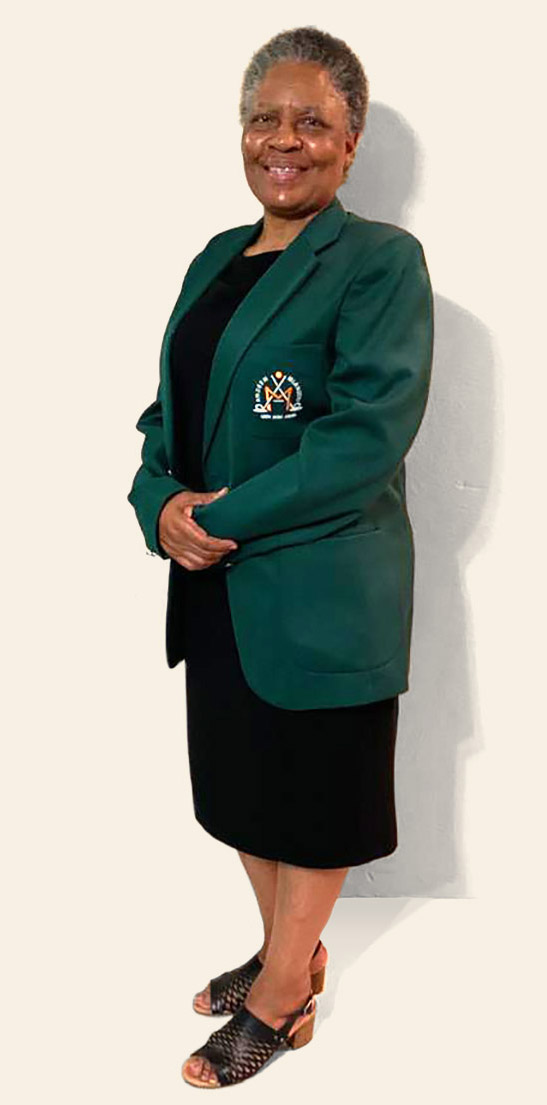
Rosina wearing the Andrew Mlangeni Green Jacket. The Green Jacket is in honour of South Africans who have made an immense contribution to sport in a country who never received recognition due to Apartheid. The Department of Sport and Recreation recognizes the contribution of these legends by awarding them a special Green Jacket
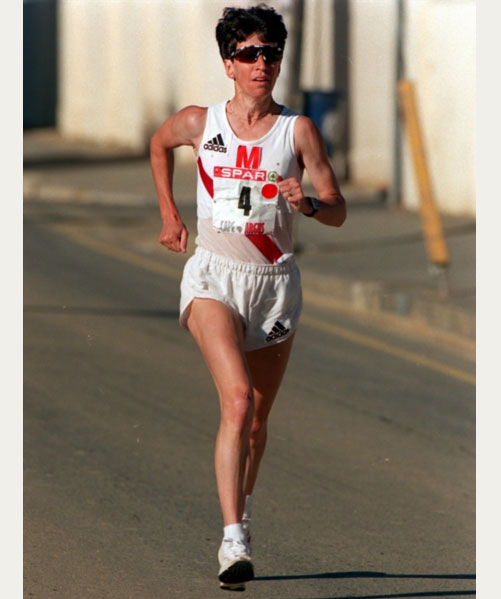
Rosina astonished everyone when she beat the current record holder and favourite in the white federation, Sonja Laxton, pictured below.
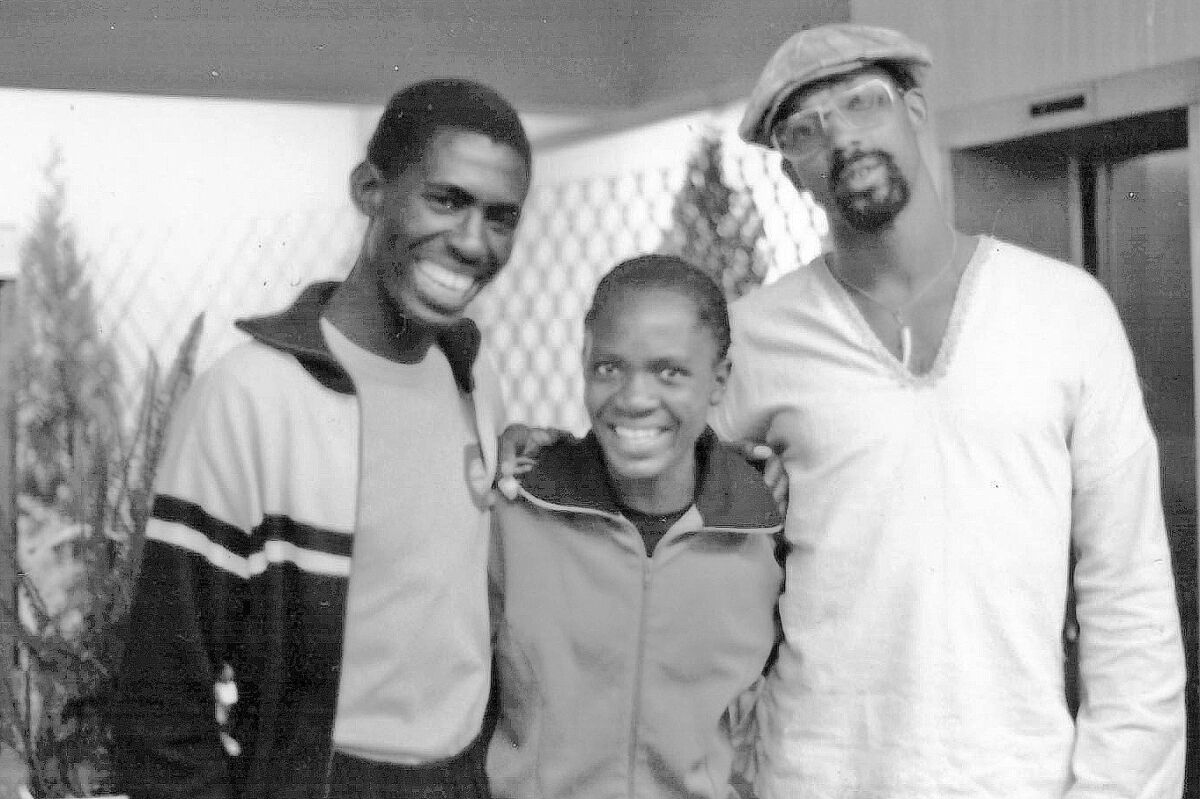
Rosina’s victories were more than running the races, they were also about dignifying black lives amid the brutality of Apartheid.

Talk to us about the work you do at the Puku Foundation and about the importance of the foundation to young readers
I work as a multilingual specialist at Puku Children’s Literature Foundation. My responsibilities include reviewing children’s books in various South African languages and facilitating writing and book reviewing workshops to teachers, librarians, learners and young and not so young authors. Puku is the only organisation in the country that reviews children’s books in any language. It is very important for young readers to have access to a wide variety of books written by a wide variety of authors, available in a wide variety of languages, especially for a country as multi-ethnic and multilingual as South Africa.
Describe the process –including the challenges and frustrations – of gathering information for your very rich book
I met Rosina in 2014 when we were piloting a digital project in certain schools in Atteridgeville, a township just outside Pretoria through the organisation I was working for at the time. I learned about her achievements through the school librarian and I knew I needed to document it. I was lucky enough that I had access to Rosina and her family at any time I need to speak to them. I was also fortunate that I was a recipient of a writing grant through ANFASA (Academic and Non Fiction Authors of South Africa) and that made my research easier as I got to do some travelling to talk to people for this book. Lack of funding is always a challenge for any research project.
What was your ambition as a young person and when did you begin to write children’s books?
I grew up on the African tradition of oral storytelling at home through my mom and my aunt. I don’t’ remember a time in my childhood when my mother was not telling us folktales without fail every night. That stuck with me and I knew then that I wanted to tell stories just as my mama was telling them. I did not know then that there is a career in writing but I knew I wanted to be around books and stories. I started writing when I was in primary school for fun but my first children’s book was published in 2007, even though I started writing way before then.
What inspired you to take up the challenge of submitting to UN SDG Book Club African Chapter?
I have a very committed publisher and she was instrumental in getting this book out. We believed in this book from day 1 and we knew it will go places. It fits right into promoting and celebrating the lives of women and girls.
The main focus of the SDG Book Club is to inform and educate 6 – 12 years + How were you able to create a fusion of entertainment, education and information to advance an understanding of principles of SDG 5 – gender equality and the empowerment of all women and girls?
I always say and believe that writing for children is the hardest for of writing. One has to understand children. I have worked in early literacy in various capacities for more than 20 years. I earned the stripes. Women and girls carry the world on their shoulders daily but are never celebrated. Through my book I wanted to celebrate the life of Rosina and her achievements as a Black girl then.
How has your book been received so far and how do you and your publisher envisage the impact of the book’s status as an SDG Book Club book pick?
Our book has been well received by the South African public. The City of Tshwane Libraries has purchased several copies for its public libraries. The SDG Book Club pick is our biggest honour. We are hoping that this will translate to more visibility and more book sales. My biggest wish as an author is for the government to acknowledge this big honour and encourage the public to read the book and the relevant government departments to purchase the book.
What book projects do you have in the pipeline?
I am halfway through a YA biography of South Africa’s beloved Ouma, 88 year old Ouma Katrina, the only surviving person who speaks the N/uu language.
What words of encouragement do you have for young girls and for young boys as they venture into the world?
For young girls, the world is not always kind to you but be brave. Get into those spaces that were never meant for you and flourish. To young boys, make the world your oyster of good deeds. Choose to model good behaviour even if you are not surrounded by good behaviour.
About the author
Lorato Trok is an early literacy consultant and expert in developing reading for pleasure books for young children, especially in African languages. She has 20 years’ experience in publishing, writing, translation, editing and story development in children’s literature.
She is currently a Managing Editor at Puku Children’s Literature Foundation. Lorato is a published author of 16 children’s picture books and biographer of Young Adults non-fiction books, originated in both Setswana and English and translated into other South African languages.
She is a two-times recipient (2017 and 2020) of the Association of Non-Fiction and Academic Authors of South Africa (ANFASA) writing grant, supported by the Norwegian Embassy to write a series of young adult biographies the first is of Rosina Sedibane Modiba, South Africa’s first Black female athlete to compete against white athletes during the apartheid years and set multiple records. The second book in this series of unsung heroes is The Forgotten Scientist: The Story of Saul Sithole (Jacana Media, 2020). It is about the untold story of a pioneering black scientist who made a great contribution to the fields of anthropology and ornithology in South Africa. In 2005 Lorato was invited to help launch the “Reading Africa” programme at the Martin Luther King, Jr. Memorial Library, Washington, D.C.
In 2019 she was one of the authors commissioned to translate selected English prose works from English to Setswana by Sol Plaatje University’s Repatriation of Letters project. She translated award winning author Lesego Kagiso Molope’s This Book Betrays my Brother from English to Setswana.
Lorato is a member of IBBY SA Executive and heads the membership portfolio. She is a board member of the Pan South African Language Board (Setswana National Language Body) and its committee member of Literature and Media.
Interview by Borders Literature for All Nations


