


“Characterised by generosity, hospitality and warmth, teranga* is everywhere in Senegal, and has helped shape the nation’s identity.”
Colette Coleman, BBC
*teranga, a term for ‘hospitality’
Some would argue that it is the Senegal football team that put Senegal on the map. I beg to differ. There are umpteen reasons to visit this west African nation, long considered one of Africa’s most stable democracies – such is the country’s stability that it sent peacekeeping troops to DR Congo, Liberia and Kosovo.
Senegal is not a country that draws loud attention to itself. It isn’t a country that is overrun with tourists. Rather, it charms with breathtaking nature, charming towns and friendly people with smiles that will make any trip here unforgettable.
Let’s start with a few reasons to visit Senegal.
Senegal is home to not one, but seven UNESCO world heritage sites
Fun fact: Senegal is home to both the tallest statue in Africa and the smallest National Park in the world.
Be sure to visit each of the seven world heritage sites mentioned below:
- Bassari country: Bassari, Fula and Bedik cultural landscapes – Bassari, Fula and Bedik are three geographical areas. The sites listed here are notable for their distinct culture and habitats that are symbiotic with the natural environment
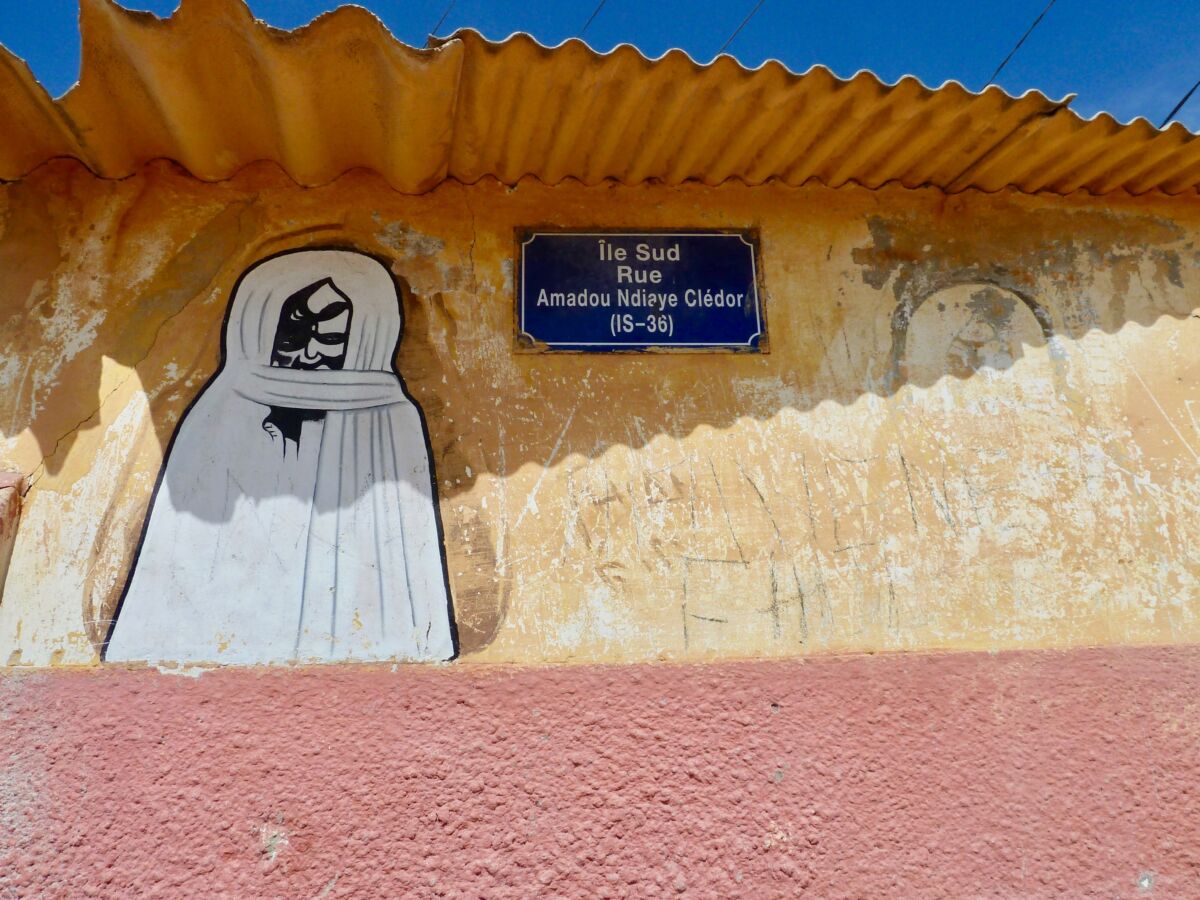
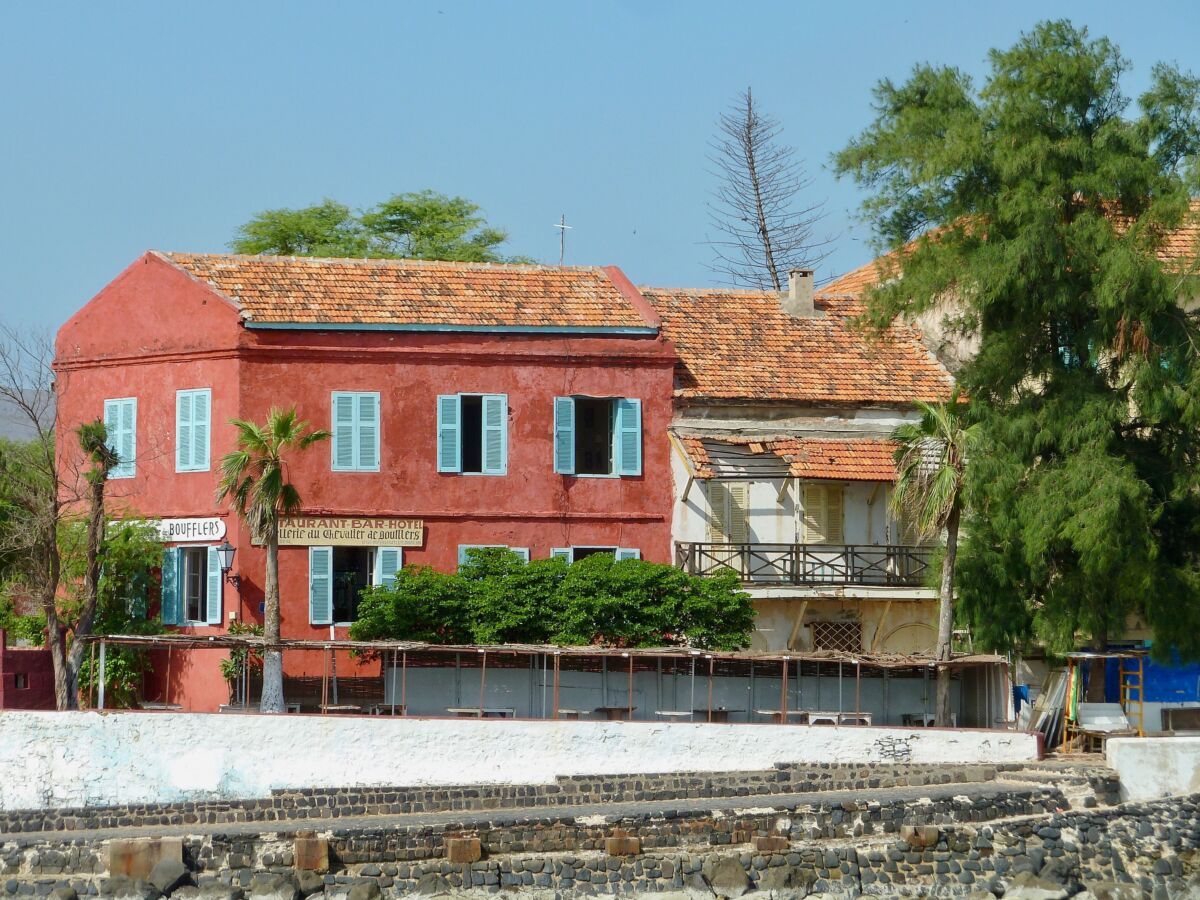
- Island of Goree – listed for its role during the Atlantic Slave Trade Ruled in succession by the Portuguese, Dutch, French and English, the port of Goree is also important for its role in carrying shipments such as ivory and peanut oil. Fun fact: the island is also home to a vibrant artist community with charming studios dotted around.
- The island of Saint-Louis – a former French colony, the island still retains the colonial architecture (though crumbling), horse-drawn carts, system of quays and town planning of its past. Unmissable.
- Saloum Delta – the delta is culturally significant as it helped with the study the different cultures of the inhabitants that lived in the area over several ages.
- Stone Circles of Senegambia – Africa’s answer to Stonehenge? The stones in question are four large groups of megalithic circles that are comprised of more than a thousand stone circles. Their purpose remains mysterious, but it is believed that they represent a burial ground, and researchers estimate their origin at between third century BC and 16th century AD.
- Djoudj National Bird Sanctuary – The entire wetland area, one of the most important bird sanctuaries in the world, boasts a variety of bird species including the purple heron, flamingos, African spoonbill, great egret, white pelican and more.
- Niokolo-koba National Park – the biologically rich national park best known for the wildlife that inhabits the park that includes amphibians, reptiles, fishes and tortoises but is also known for being home to more than 1,500 plant species.
Dakar, Senegal
Perched on the tip of a peninsula, Dakar, capital of Senegal, is a great introduction to the country, with its peaceful islands just offshore and its dizzying, frenetic markets and fervid don’t-stop-till-you-get-enough nightlife. So you can spend your days amidst the bustle of the markets and your evenings sipping cold drinks at sunset in a quiet spot overlooking the crashing waves, or simply tapping your feed to the mbalax dance music long into the night.
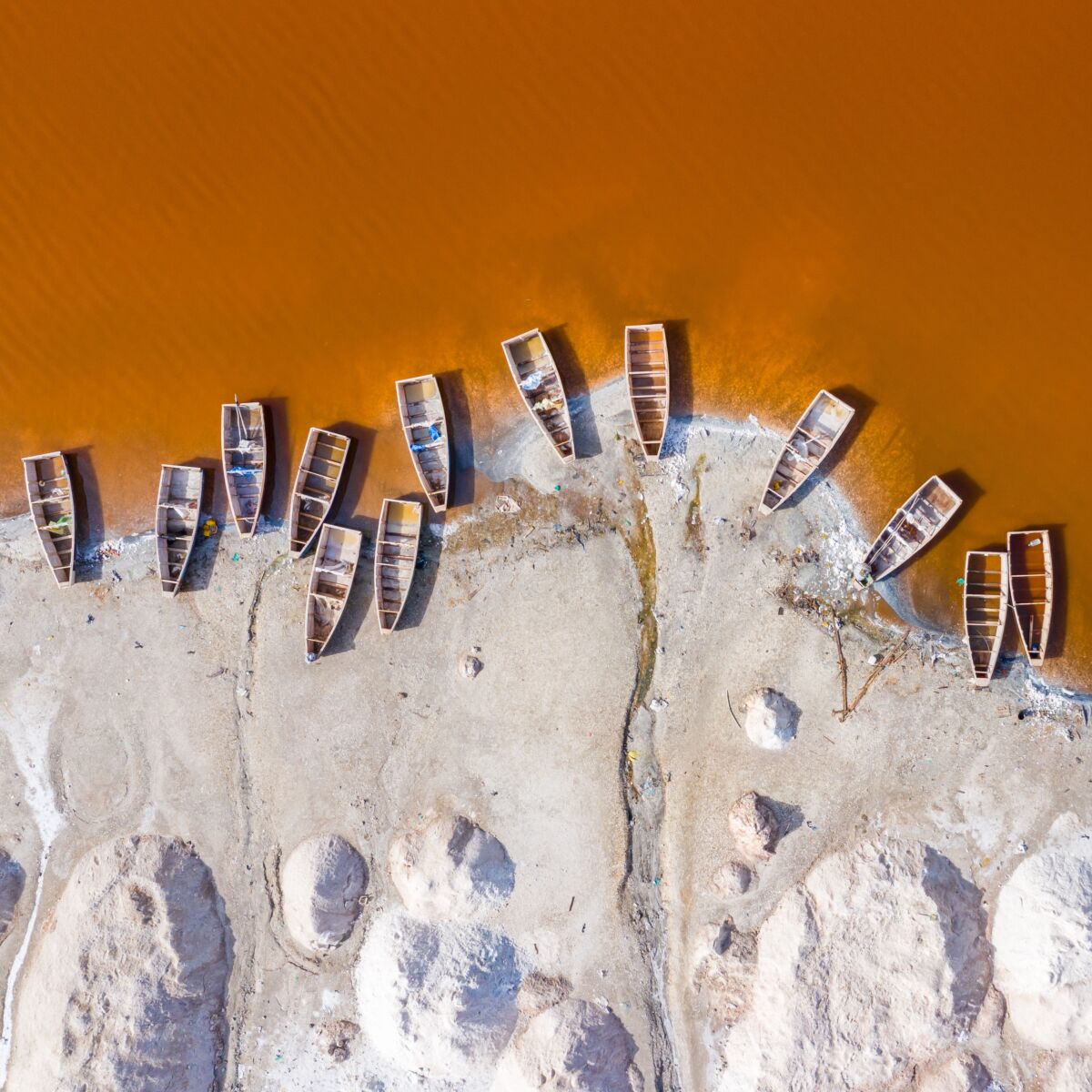
The Pink Lake, Senegal (Lac Rose, Lac Retba)
The lake (a shallow lagoon) is a popular destination for both dakarois and tourists who come to see the ‘magic’ pink lake. The ‘secret’ is actually due to the lake’s very high salt content, which is 10 times that of ocean water (yes, you can float on the surface). You have to get there when the light is just right, though, and it’s best, therefore, to aim for the dry season when the sun is at its highest (November to June).
Watch how 60,000 metric tons of salt are harvested here…
Île De Karabane
Elinkie, a fishing village is the jumping-off point for the peaceful Île De Karabane, which was a former French trading station up until 1900. In the island’s namesake town you’ll see a charming Breton-style church and other nods to the past.
Beautiful beaches
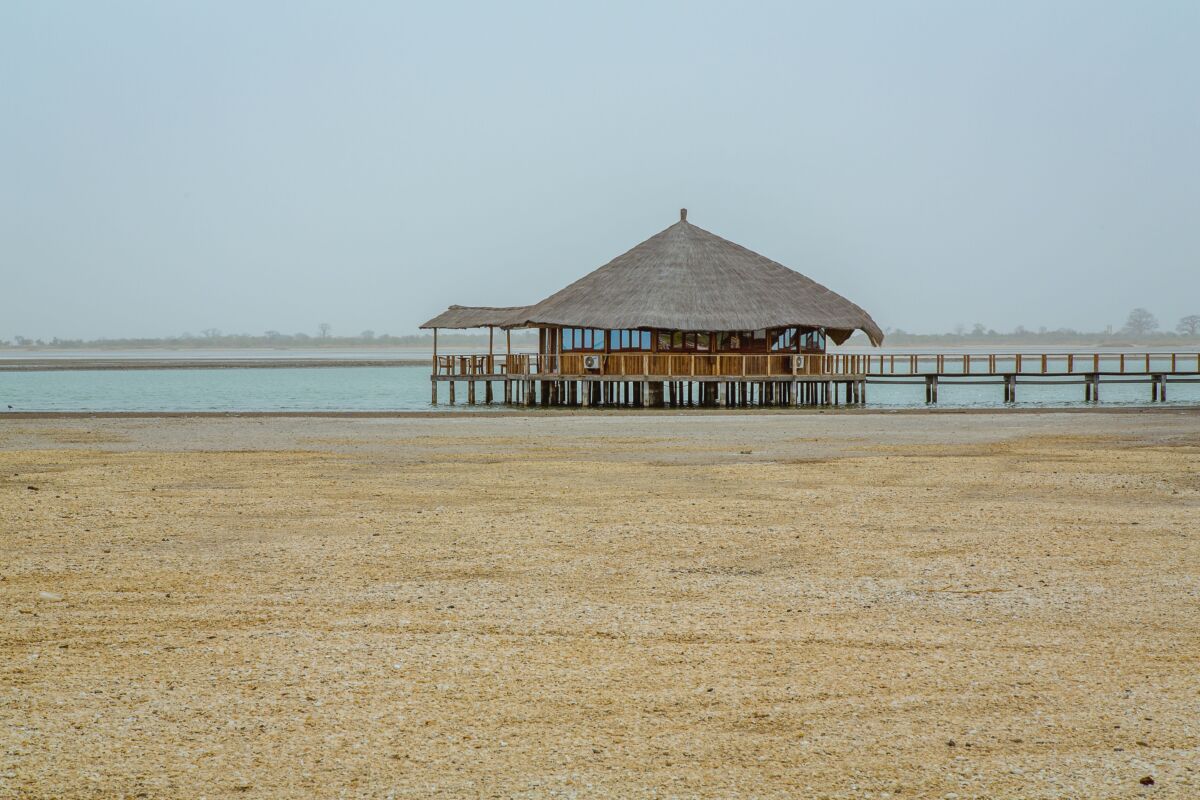
You’ll be spoilt for choice for lingering spots in Senegal. It’s home to some of the most pristine beaches in West Africa, and with 330 miles of Atlantic coastline, it doesn’t disappoint as a beach getaway. Try these:
- Île De N’Gor – just offshore from Dakar
- Saly – for long stretches of pristine sparkling sands
- Cap Skirring – boasts some of the most beautiful beaches in Senegal – and they are usually pretty empty. Explore some traditional Diola villages to the east while you are there or get active with kayaking and mountain biking
Food and drink
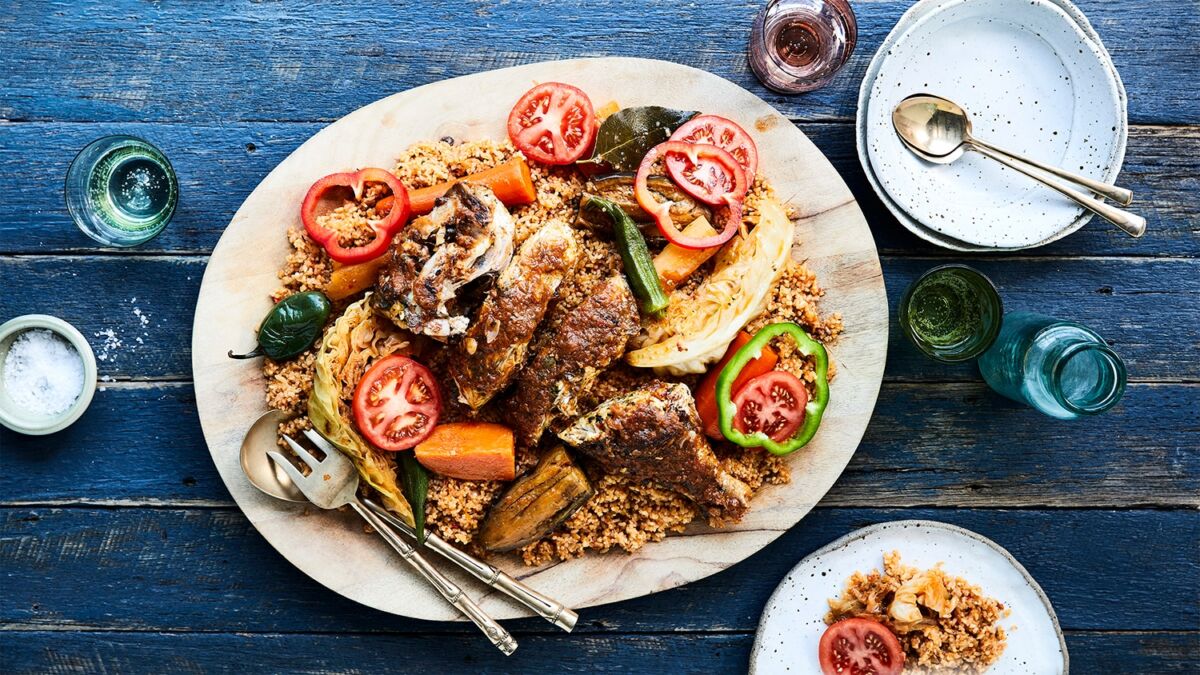
Is there seriously anyone who doesn’t love Senegalese food? Assuming the answer is no, you’ll feel as if you’re in heaven the minute you step into Dakar. It’s home to a dizzying array of excellent restaurants that cater to a range of budgets, but what they have in common is delicious food. Naturally you’ll want to try thiéboudienne (rice cooked in a thick tomato sauce and served with fried fish and vegetables), poulet yassa or poison yassa, and moreish mafé (peanut-based stew) washed down with bissap, made from hibiscus flowers or bouyi, made from the fruits of the baobab. The best local beer is Flag. Elsewhere, Saint-Louis, Saly and Cap Skirring are great places to visit for foodies – each has a vibrant dining scene.
Have you been to Senegal? If so, where would you recommend? Tell us in the comments!


