


Home to some of Africa’s most famous peoples – Maasai, Samburu, Turkana, Swahili, Kikuyu – and famous for its rolling savannahs, Kenya is already on the bucket list of most people with an interest in Africa. But there’s much more to Kenya than meets the eye. If, please, God, no, Lockdown lasts for longer than we have been led to expect, there are some outstanding books and films about this amazing country: Echo of the ELephants (1993), Out of Africa (1985) and The Constant Gardener (2005) are just three of the films that will get you prepped for your eventual visit.
First things first…
When’s the best time to visit Kenya?
Good question. If you aren’t strapped for cash, go between June and October or January and February. But, the prices of lodges will be high. Mid-season is around November and December when prices at most lodges and parks drop. If you go during the low season, which is between March and May, you’ll get much lower prices but also lots of rain. The choice is yours!
Where to stay in Kenya
There’s plenty to choose from when it comes to high-quality accommodation. I can recommend the magnificent Hemingways Hotel, Nairobi, but there are cheaper options such as the Sankara Nairobi Autograph Collection or Villa Rosa Kempinski, also in Nairobi. For something really fun and quirky and unforgettable, try and nab the Brandy Bus.
Kenya’s best beaches

It would be perfectly reasonable to visit Kenya just for beach life (the best therapy is beach therapy, after all). The beaches around the Diani area offer astonishingly beautiful, white sandy beaches. If you would like accommodation at the beach, there are numerous options: try Hotel Sonrisa or the Ocean Village Club (adults only) or the eco-conscious Diani Reef hotel, which is extremely nice. You can get to Diani by ferry from Nairobi.
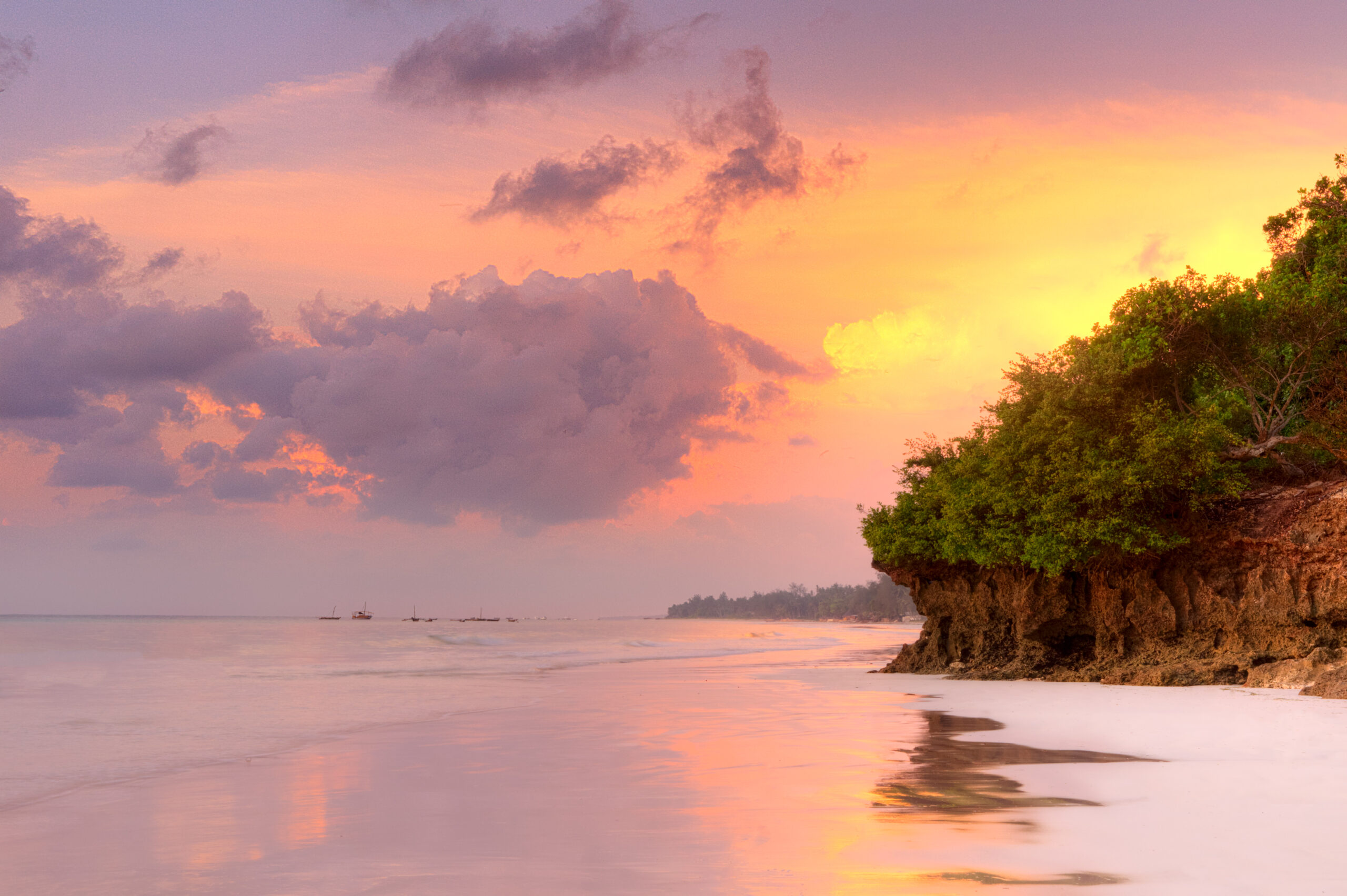
At Diani, you should also check out the Colobus Conservancy, a shelter for monkeys that have been rescued from the distress of various forms, for example from road traffic accidents, electrocution and poaching. Or ride a camel on the beach. For the sporty, why not join in a game of beach volleyball or football? There are also some awesome places to eat at Diani, for example, the Nomads beach bar where you can indulge in some outstanding seafood.
How to travel around

If you are planning to stay in Nairobi and want to experience life as a local, your most common modes of transport would be the graffiti adorned matatu vans or the boda boda bicycle taxis. They are also the cheapest way to travel; however, the price you do pay is for congestion and loud music (matatu) and the frequent disregard of traffic laws by the drivers/riders. Other, more expensive, options are the shared taxi, usually a Peugeot 505 station wagon (these take up to nine passengers and set off once full), an Uber, or a hired car.
Incredible places to see in Kenya
A major reason to visit Kenya is to witness its outstanding commitment to conservation. Below are some fascinating places to visit.
The Nairobi National Park. Nestled in the city itself, this is a great place to visit if you are not fussed about a full-on safari, and it is just a short drive from Nairobi’s business centre. There are campsites and walking trails to enjoy, not to mention the stars of the show: endangered animals such as black rhino, lions, leopards and buffalos. If you are hungry, head for Re-bar Marula for some ‘nyama choma’ (Kenya’s unofficial national dish – Swahili for ‘barbecued beef or goat meat’), chicken wings or samosas, washed down with some local beer.
The David Sheldrick Wildlife Trust. You will need to have a heart of stone to not be inspired by the extraordinary work being done by the Trust, which provides a haven for orphaned baby elephants and rhinos that have been rescued from parks and reserves all over Kenya. Elephants in Kenya continue to be vulnerable to egregious poaching, which has led to a significant drop in the population of elephants in the country (and leaving too many baby elephants orphaned). The elephants at the Trust are looked after until they are old enough to be released back into the wild. You can even adopt your very own baby elephant to support the work of the Trust. Tip: get there before the crowds, ie well before 11 am.
When you visit Kenya make sure you don’t miss the Giraffe Centre. Conveniently right next to the David Sheldrick Wildlife Trust, the Giraffe Centre is a project of the African Fund for Endangered Wildlife; its stated mission is to educate the public on the country’s wildlife and environment, and it provides plentiful opportunities to get up close and personal with its Rothschild Giraffes – ‘a subspecies of the giraffe found only in the grasslands of East Africa.’ The Centre shelters and cares for these Rothschild giraffes, with the ultimate aim of reintroducing them back into the wild once they are healthy enough to survive on their own.
Go to Mamba Village, Nyali, Mombasa. This shelter, the largest of its kind in East Africa, is home to the killer Nile crocodiles. You could at least try holding some of the little ones (!). There’s much more to do, including horseback riding, ambling around the botanical garden and gazing at the variety of fish in the aquarium.
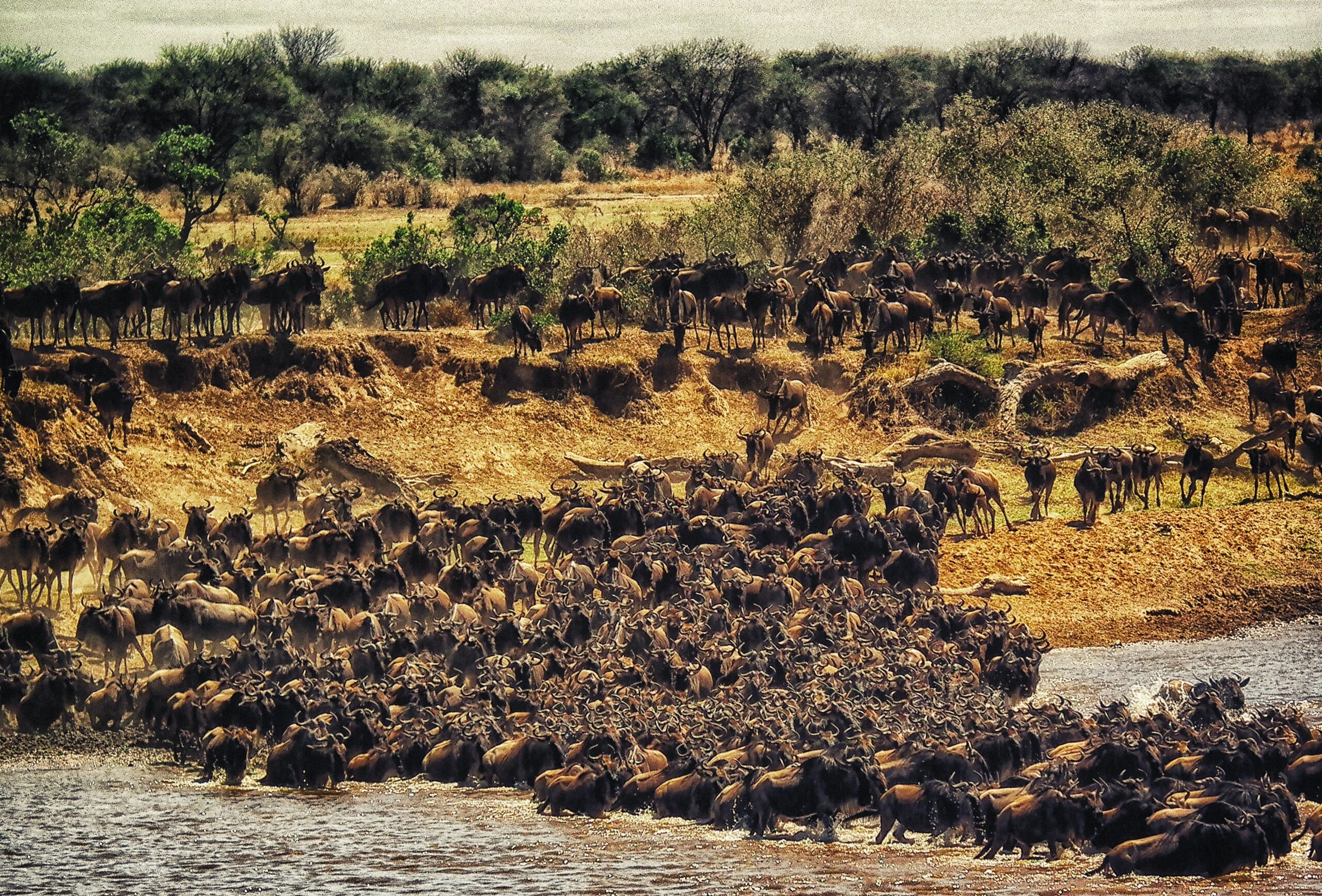
Experience the iconic Wildlife Migration at Masai Mara. The area comprises both the Masai Mara National Reserve and the private conservancies that surround it. The Great Migration takes place from July to October when the area is literally overtaken by hundreds of thousands of wildebeest on their ‘great migration’; there are also herds upon herds of zebras, elephants and giraffes, prides of lions, leopards, cheetahs and hyenas. Do not miss this!
If you’re staying in Nairobi
Great places to eat
When you visit Kenya you will be presented with an abundance of culinary talent. Taste a variety of African cuisines at Mama Ashanti, Muthangari Gardens, Nairobi. Indulge in a range of delectable African food from Ghanaian to Nigerian to South African. Popular dishes included the ubiquitous jollof rice, egusi soup with goat meat and suya. Another restaurant serving a breadth of African food is the Manor 540 restaurant, also in Nairobi. If you are still hungry then head for one of Nairobi’s excellent dessert spots, such as Keventers, Urban Eatery or Bao Box.
The best cityscape
Get a breath-taking view of Nairobi from the iconic Kenyatta International Convention Centre (KICC) building, Harambee Avenue, Nairobi. The best time to go is just before sunset. Fun fact: the building is erroneously described as having been inspired by a donkey’s penis, according to Africa Check, an organisation committed to the noble aim of “sorting fact from fiction”.
Adrenalin-rush and other activities
Get an adrenalin rush at GP Karting, off Langata Road, Nairobi. Paintballing is also offered at the centre. If you would prefer a gentler activity, there’s always bowling at Village Market (there’s also trampolining on offer). Not far from Village Market is Two Rivers mall where you can unleash your inner-child on one of the largest Ferris Wheels in East Africa. If you’re not so keen on high-adrenalin activities, we would suggest bicycling at the wonderful Karura Forest, on the outskirts of Nairobi, where you will find not only biking trails but also nature and wildlife areas to explore. Or, simply sit back and enjoy the tranquillity of Mother Nature in all her breath-taking diversity.
Go hiking at the Ngong Hills (there are seven hills, so you will be busy). Apart from taking in the magnificent view of the Great Rift Valley from the top of the Hill, you can enjoy popular activities such as camping and zip-lining. There are plenty of restaurants nearby, too; and, if you have time, it’s worth stopping by at the Karen Blixen Museum – Karen Blixen was the author of Out of Africa, mentioned earlier; but she left Kenya due to a series of traumas in her personal life.
Before you leave Kenya…
Experience sunset at the Kongo River. Hitch a canoe ride just before sunset and then watch the mesmerising rose, burgundy and amber hues magically unfold in the sky above. Heaven.
Now, book your trip.
If you liked this article, we recommend you read this one now.


