


These African spices each bring a unique flavour to all manner of meals, and it is worth experimenting to find ways to use them to enhance the dishes you prepare. Our selection is random, and it only scratches the surface of the spices that may be classified as ‘African’. To source any of these African spice delights for your use, try Nayture foods or your local African food shop.
A delicious selection of fragrant African spices
Ras el hanout (North Africa)

Whenever you want to bring Morocco to yourself, pick up a bag of ras-el-hanout. My carnivorous friends tell me that such is the magic of ras-el-hanout that it can by itself transform a leg of lamb so far from your idea of a normal Sunday roast into something quite miraculous.
Perhaps the most widely known of North African spices, ras el hanout is a wonderful spice blend composed of every exotic spice imaginable – at least 40 different spices including dried lavender, caraway, Japanese white ginger and pretty dried rosebuds. The result is a punchy, slightly sweet, warm, aromatic note to your dishes.
If you’re using it on your lamb, as mentioned above, try this: to your ras-el-hanout add the juice of half a lemon, a clove of minced garlic olive oil and some freshly chopped coriander for a hit of pungency. Then, using a sharp knife, stab your leg of lamb all over and then smear the spice mix over the top of it and into the holes. Pop the spiced meat into a plastic bag to marinate for about an hour or two. Preheat your oven to 200 C and cook for about an hour and a half. The lamb will be dramatically blackened but should, I’m told, be tender within. Serve this with a side of yoghurt salad: freshly chopped mint stirred into Greek yoghurt with a few slices of chopped cucumber and a clove of minced garlic tossed in. Drizzle with ribbons of olive oil and sprinkle with more freshly chopped mint.
Lamb aside, ras el hanout is another multi-tasker: you can also add it to your tagines or stir it into rice.
Alnif cumin (North Africa)
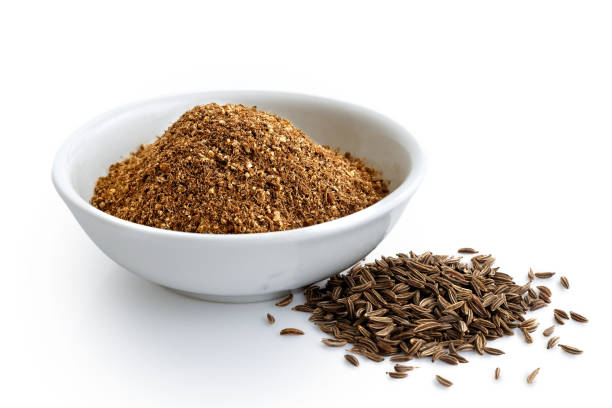
This North African spice is produced in the eponymous Moroccan village by local women, and is known for its intense flavours. It can be used both whole and ground and is typically added to traditional Moroccan dishes such as couscous and tagines. It is also used to enhance the flavours of various vegetables. If you are looking for recipes , try these cumin-infused ones.
Za’atar (North Africa)

Za’atar has both Middle Eastern and Levantine origins. Although the ingredients used in za’atar vary from region to region, most will contain za’atar herb (hyssop, growing throughout the Levant), marjoram, thyme, oregano, coriander, cumin, toasted sesame seeds, sumac, and salt. The individual ingredients bring their distinctiveness, for example, the sumac imparts a lemon flavour whilst the marjoram adds some sweetness. Sprinkle za’atar over soups and dips or stir it into rice, pasta and vegetables. Here are a few ideas to get you using this wonderful all-African spice.
Related: The best North African restaurants in the UK
Alligator pepper (West Africa)

Variously known as oburo (Yoruba), chitta (Hausa), ntuen (Efik) and ose oji (Igbo), this African spice seems to accomplish several duties. In several parts of Nigeria, it is chewed with kola nuts during ceremonies to, bizarrely to my Western sensibilities, create a numbing sensation in the mouth. It’s also said to have several health benefits including the ability to treat snake bites. By far the most conventional use, however, is as a pepper soup spice.
African nutmeg (West Africa)

This is also known as ehuru in Yoruba, this is one of those ‘a little goes a long way’ spices. It’s popular in the Niger-Delta region and known for its robust fragrance. African nutmeg is typically added to stews and soups including pepper soup, banga soup and ogbono.
Suya spice (West Africa)

Suya spice blend, also known as yaji, is said to have originated among the Hausa people of Nigeria. Its precise ingredients are a closely guarded secret (it’s more accurate to say that the ingredients vary from region to region). What we do know is that it includes ground peanuts and red pepper. The spice is used to season thin slices of beef (suya), chicken or king prawns.
Irú (West Africa)
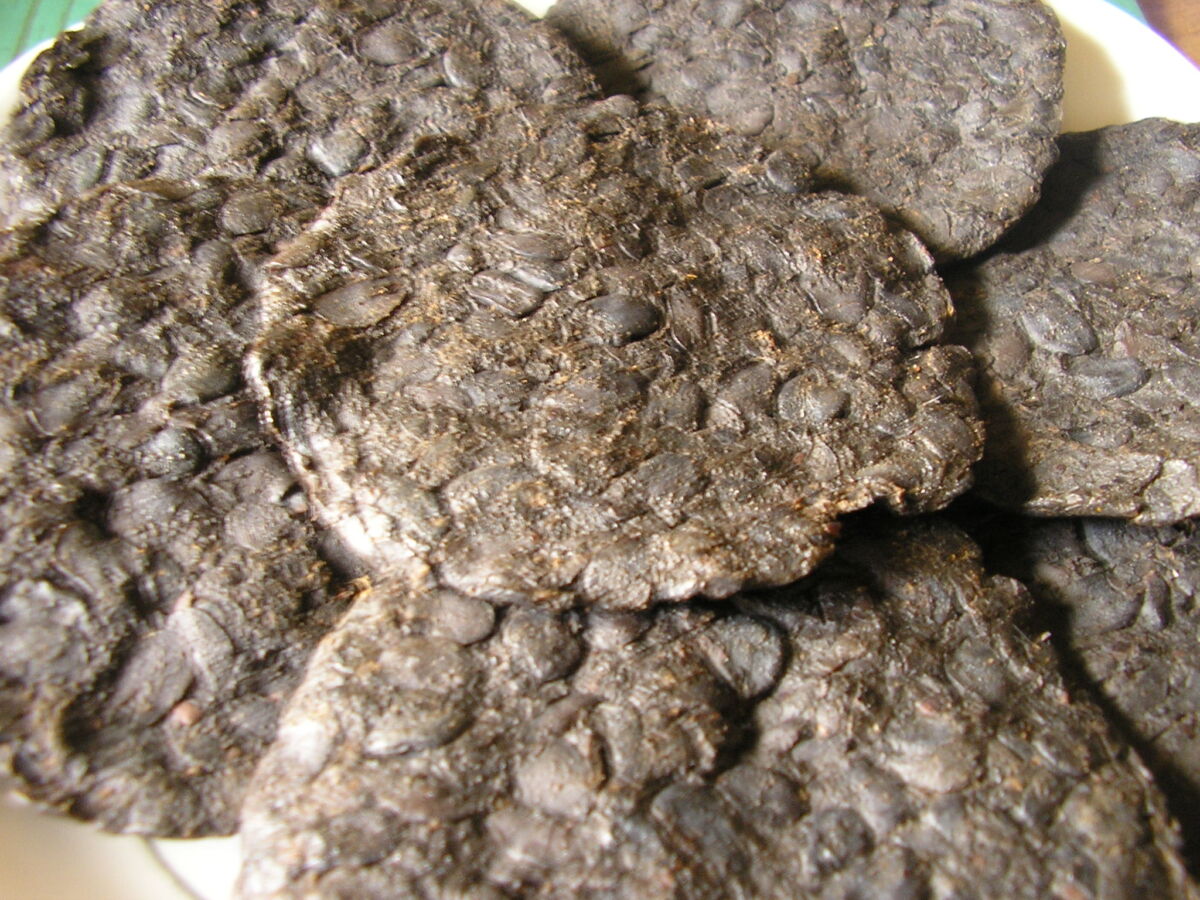
Irú is a fermented season made by fermenting and processing locust beans. It is popular across West Africa but particularly in Nigeria among the Yoruba and Edo people. Iru is known for its strong, pungent aroma, which has been likened to aged cheese. Add it to traditional stews and soups such as efo riro stew, ogbono soup and ewedu soup.
Berbere (East Africa)

The arresting deep amber of this aromatic spice blend is a real crowd-pleaser, as is the uniqueness it brings to stews and soups. Berbere is composed of a variety of spices, including chilli, garlic, cumin, ginger, coriander, cinnamon, nigella, fenugreek, and ajwain, all of which combine to bring a real depth of flavour and punch to dishes such as doro wot, of which it is a central ingredient. If you are feeling adventurous, try making this Eritrean beef stew recipe.
Taliouine saffron (North Africa)
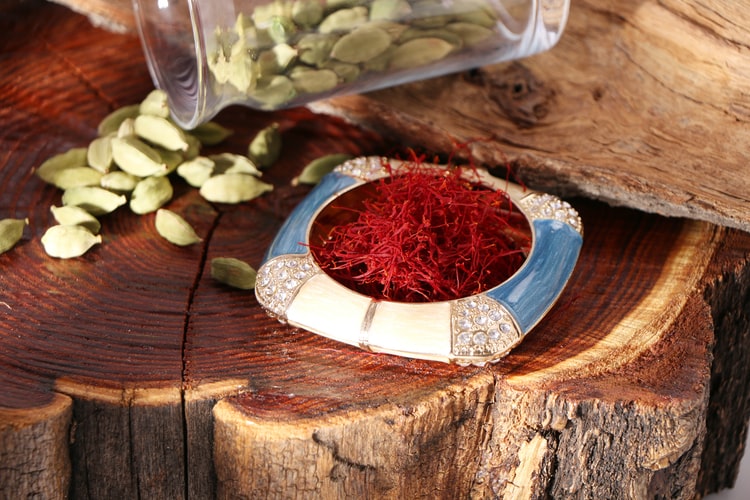
Sourced from the eponymous mountain village, Taliouine saffron has a slightly less pronounced scarlet than the saffron we’re used to in the West. Yet what it lacks in colour intensity it makes up for in flavour – this saffron is more intense. In addition to using it in traditional North African dishes, Taliouine saffron is also added to tea. Here’s how to make Taliouine saffron tea. If however, you would like to use it in a rice dish such as paella, here’s what to do: with a mortar and pestle or grinder of choice, grind 2 tsp. of saffron threads and a sugar cube or pinch of rock salt to tease out the most flavour and colour. Add a quarter cup of warm water and let this cool before adding this magical elixir to your paella.
Mitmita (East Africa)
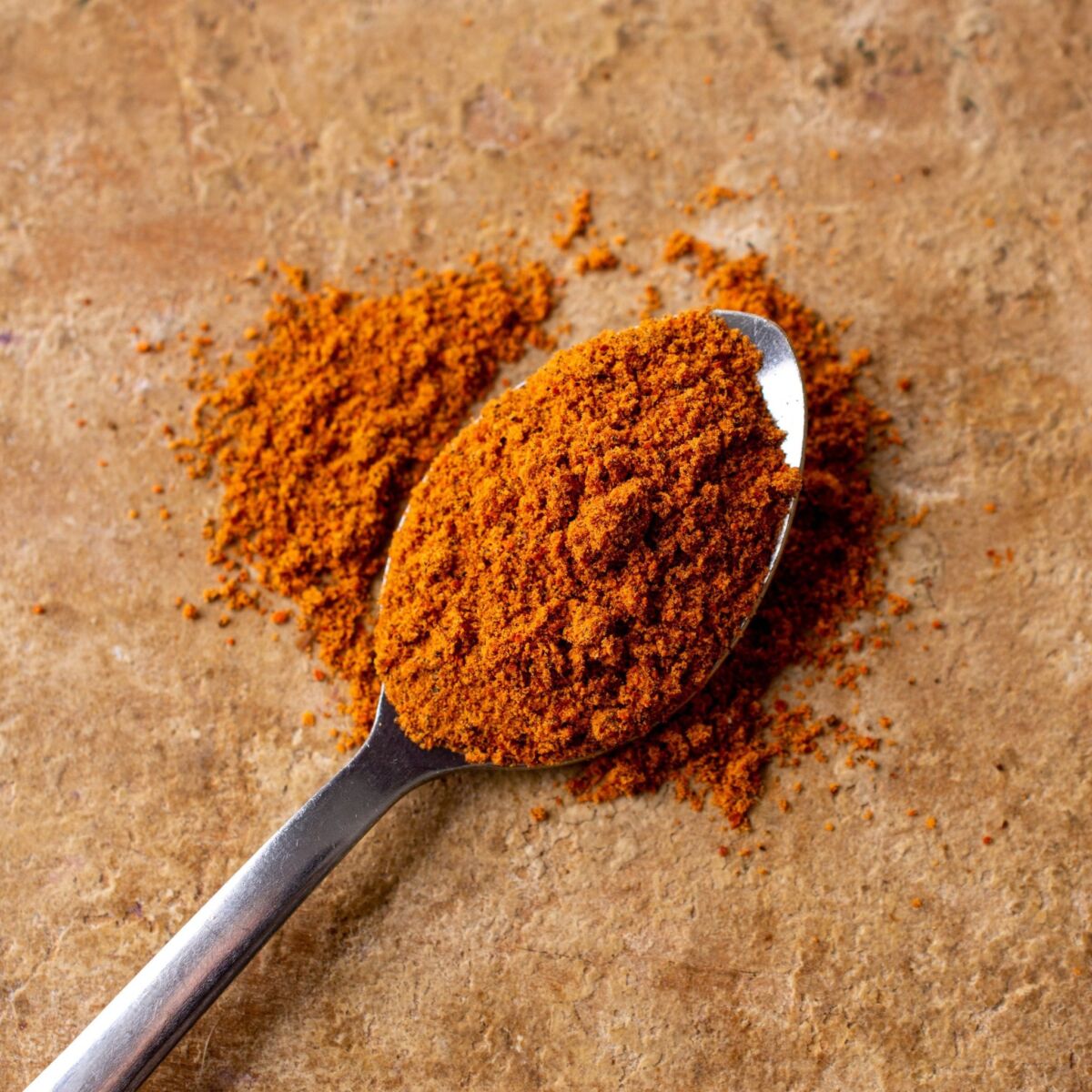
A wonderful Ethiopian spice blend, mitmita (hotter than berbere) is composed of cloves, cardamom, salt, cumin, ginger, cinnamon, and chillis. Use it as a dip for cooked meats and kitfo; it also goes well with ful medames. For something a bit different, try making fried fish with mitmita.
Uda (East and West Africa)
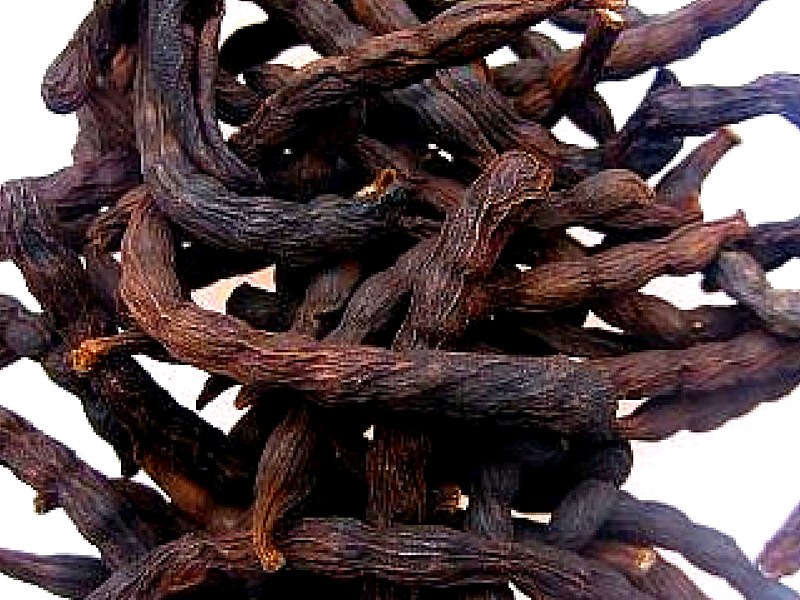
Uda is a multifunctional plant. The bark, fruits and seeds and roots have several health benefits – the powdered root, for example, is useful for treating gum ulcers. To use as a flavour enhancer, the skin of the uda seed is ground to a powder before use then added to soups and stews to impart a tangy undercurrent. Try this yam pepper soup recipe
Mau Forest dried nettles (East Africa)
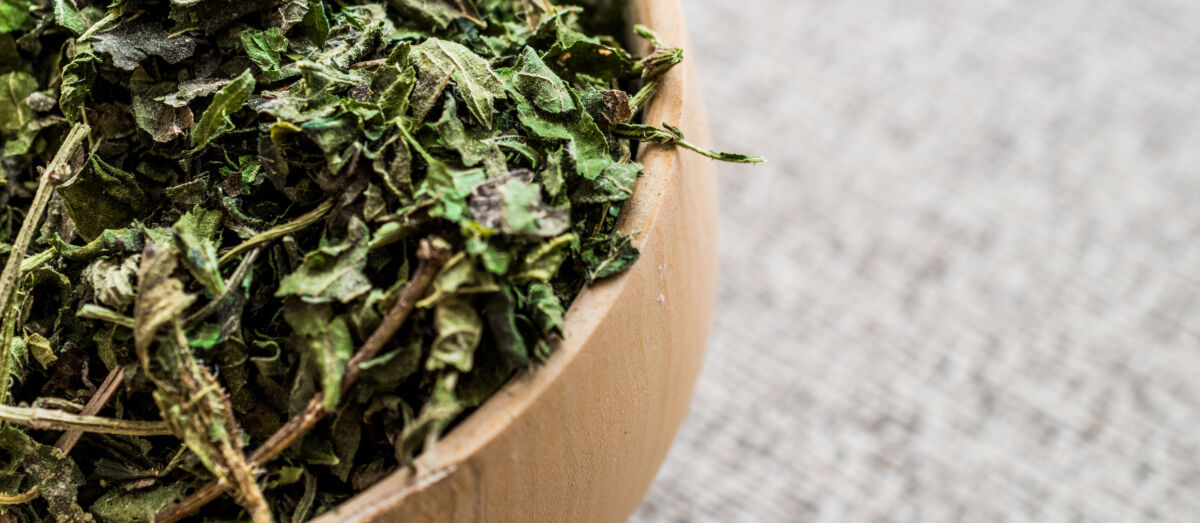
Kenyan Mau Forest nettles are typically dried and then ground into a powder before being added to a variety of dishes such as mukimo, a porridge.
If you have a recipe that uses any of this spices, share it with us!
Related: Taste Africa with a tour of African gastronomy


