


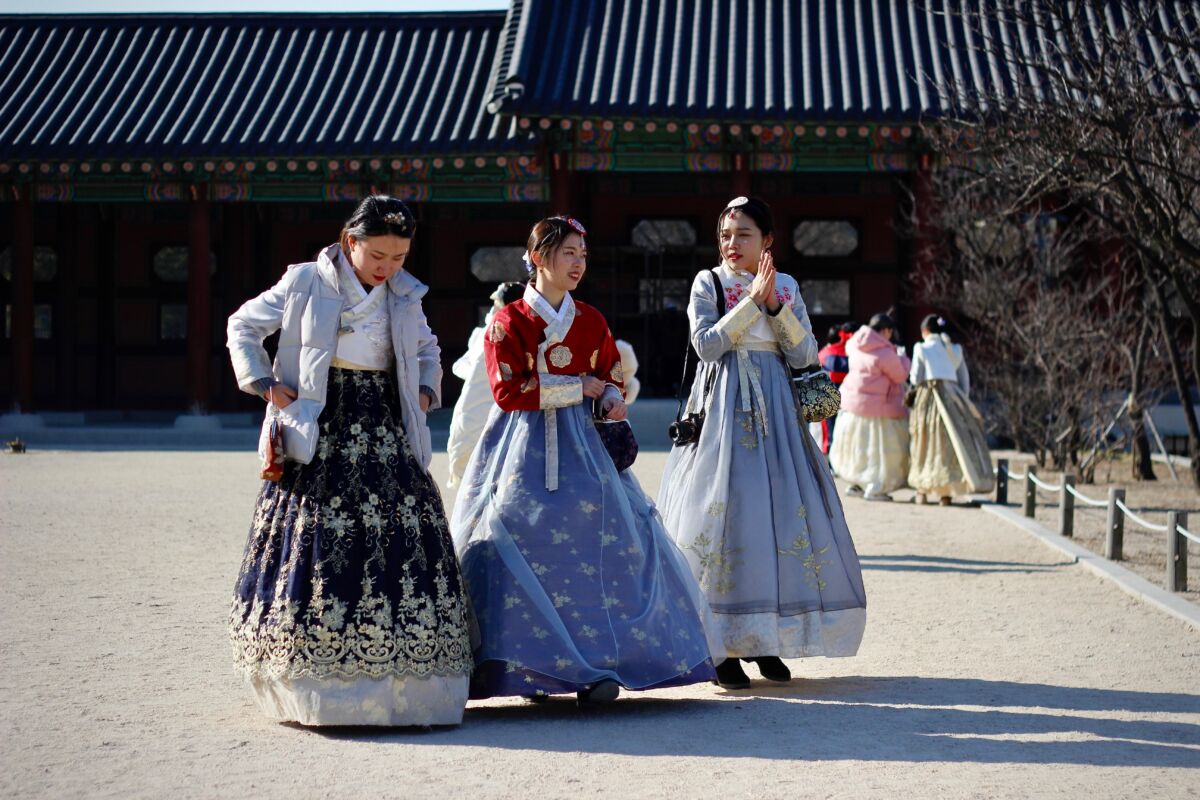
Nigeria and Korea may seem like two vastly different cultures on opposite sides of the globe, but upon closer inspection, they share many surprising similarities that are worth exploring.
Both countries have unique histories and traditions that have shaped their societies, but they also share some fundamental values and customs that are central to their respective cultures. Here’s a closer look at the cultural similarities between Nigeria and Korea with specific examples that highlight these shared values.
One of the most significant cultural similarities between Nigeria and Korea is the emphasis placed on respect for elders. Both countries place a high value on the wisdom and experience of older generations, and it is considered an essential part of their culture to show deference and respect to those who are older. This is reflected in the language and customs of both cultures, where honorifics are used to address elders as a sign of respect. In Nigeria, for example, the Yoruba language has specific titles for elders, such as “baba” or “iya,” which are used to show respect to older people. Similarly, in Korea, honorifics such as “nim” or “saem” are used when addressing elders to show respect for their age and experience.
Another cultural similarity between Nigeria and Korea is the importance placed on family and community. Both cultures have a strong sense of family values, and family ties are considered sacred. In Nigeria, the extended family is highly valued, and there is a sense of obligation to care for and support one’s relatives, even those who are distant or unrelated. This is similar to the Korean concept of “jeong,” which refers to the deep emotional bonds and connections between family members, friends, and community members. Koreans also have a strong sense of community and place a high value on social harmony, which is reflected in their customs and traditions.
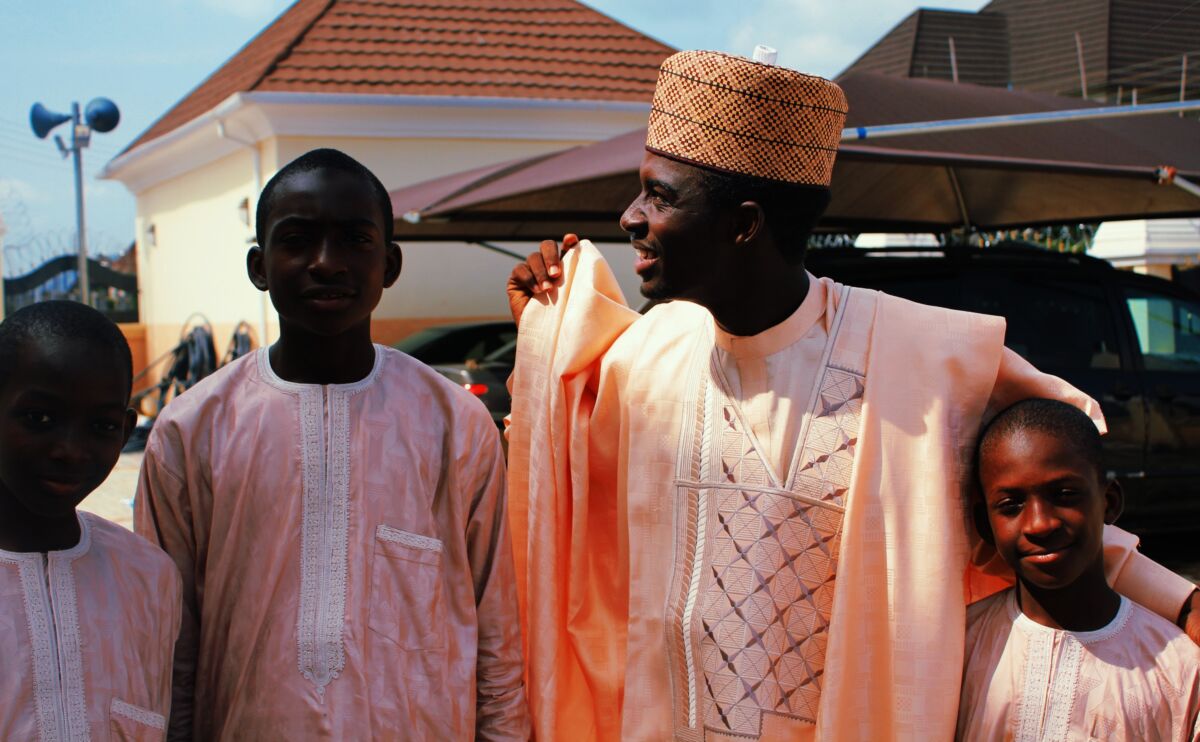
One specific example of the cultural similarities between Nigeria and Korea is their shared love of music and dance. Both countries have rich musical traditions, and music and dance are an essential part of their cultural identity. In Nigeria, music and dance are an integral part of social events and celebrations, such as weddings, festivals, and religious ceremonies. Similarly, in Korea, traditional music and dance have been passed down through generations and are still performed today in various cultural events and festivals. Both cultures also have a strong tradition of using music and dance as a form of storytelling and expression, with songs and dances often reflecting the social, political, and historical context of the time.
Another area of cultural similarity between Nigeria and Korea is their shared love of food. Both cultures have a rich culinary tradition and place a high value on the importance of food in their society. In Nigeria, food is an essential part of social events and celebrations, and there is a strong tradition of sharing meals with family and friends. Similarly, in Korea, food is a central part of social gatherings and is often used as a way to bring people together. Both cultures also have a strong tradition of using spices and herbs in their cooking, with a focus on creating bold, flavorful dishes.
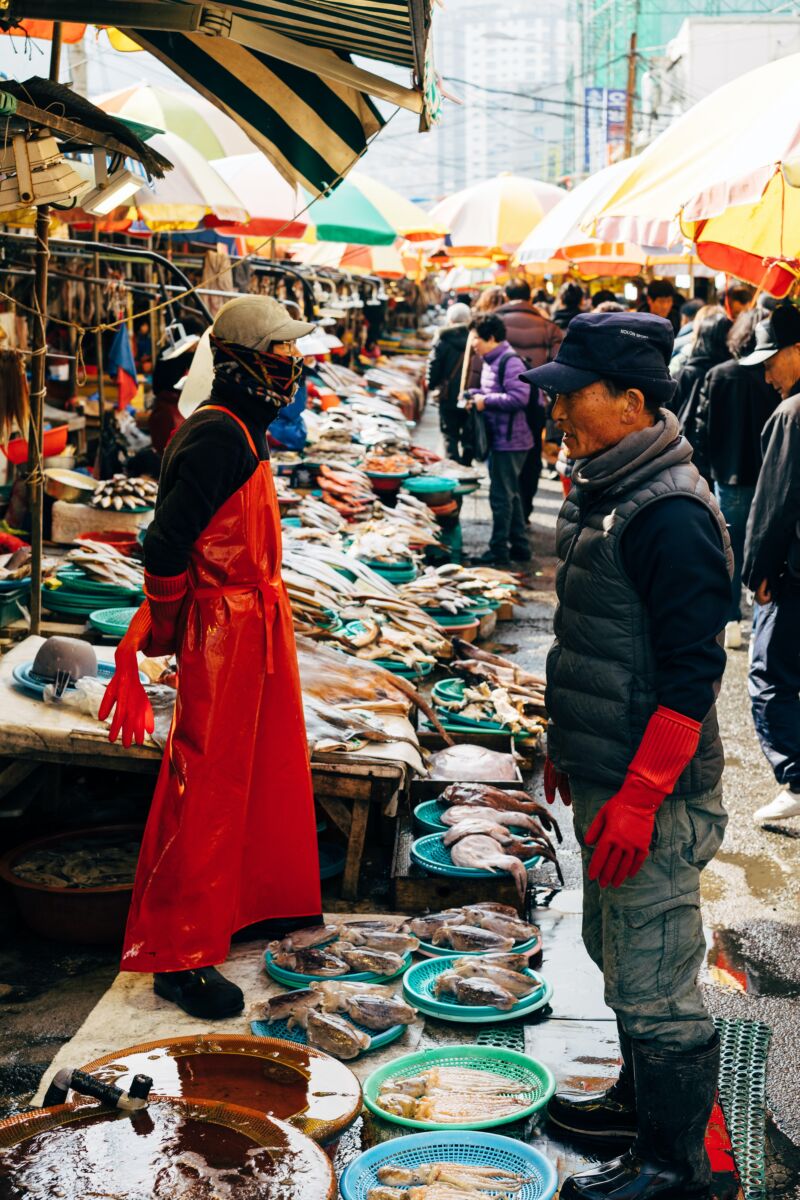
Both Nigeria and Korea share a deep sense of national pride and identity. Despite their respective histories and challenges, both cultures have a strong sense of unity and pride in their shared identity. This is reflected in their customs and traditions, as well as in their music, art, and literature. Both cultures also have a strong sense of resilience and perseverance, which is reflected in their ability to overcome adversity and adapt to changing circumstances.
Despite the fact that Nigeria and Korea are separated by thousands of miles, it is interesting to note that there are several Nigerian communities living in Korea. These communities include Nigerian students studying in Korean universities, as well as Nigerian immigrants who have settled in Korea. The interaction between these communities and their Korean counterparts can lead to a sharing of cultures and ideas, which can further enhance the cultural similarities between the two countries.
One specific example of this interaction is the growing popularity of Korean pop culture, or K-pop, in Nigeria. K-pop has gained a massive following in Nigeria, particularly among young ones who are drawn to the music, fashion, and dance styles associated with this genre. In turn, this has led to a growing interest in Korean culture, with more Nigerians learning the Korean language and studying Korean customs and traditions.

Similarly, Korean culture is also gaining popularity in Nigeria, with more Nigerians becoming interested in Korean food, fashion, and entertainment. Korean dramas and movies are increasingly popular in Nigeria, and Korean cuisine is becoming more widely available in Nigerian cities. The popularity of Korean culture in Nigeria is a testament to the growing cultural exchange between these two countries and the positive impact that this exchange can have on both societies.
In addition to promoting cultural understanding, recognizing the similarities between Nigeria and Korea can also lead to new opportunities for collaboration and cooperation. Both countries face similar challenges, such as economic development, healthcare, and education, and can learn from each other’s experiences in these areas. Moreover, the growing relationship between these two countries can also lead to new trade and investment opportunities, which can benefit both Nigerian and Korean businesses and create new jobs and economic opportunities for both countries.
The cultural similarities between Nigeria and Korea are a testament to the power of shared values and customs to bring people together. Despite their respective histories and challenges, these two cultures share a deep respect for elders, family and community, music and dance, food, and national pride. By recognizing these similarities and promoting greater cultural understanding, we can build stronger relationships between Nigeria and Korea and create new opportunities for collaboration and cooperation. The future is bright for the growing relationship between these two vibrant and dynamic cultures, and we can look forward to seeing the positive impact that this relationship will have on both societies in the years to come.
What are your thoughts? Over to you.


