The African diaspora in the UK and across the world has become even more unified in the wake of George Floyd’s death in Minnesota, USA, on 25 May 2020. There is no doubt that what happened shook the world, but we must not overlook the trauma felt, particularly by millions of people of African heritage for whom the news was devastating, highlighting the very real issue of racial inequality that many people face every day of their lives.
I interviewed two inspirational women who, through starting a learning hub, looked to positively influence the lives of those in their community by supporting local children to understand their heritage, celebrate their identity, and help to limit some of the barriers that they currently face in the education system, and will face in the workplace and society.
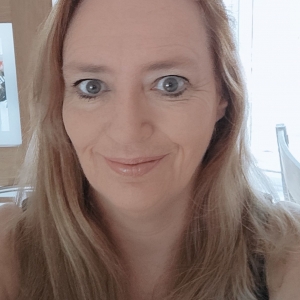
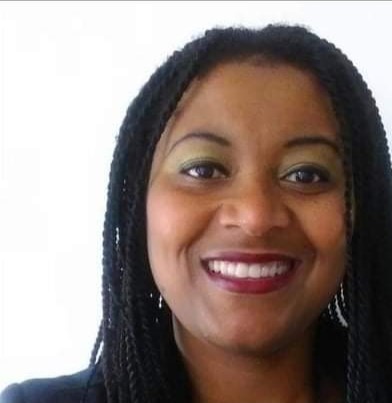
Meet Anishia Buss and Judith Jack.
Can you tell me a bit about your education and background? Did either of you attend a Saturday school (Learning Hub) of this nature?
Anishia Buss: I am a social worker by profession. I attended a Saturday school in Bedford, where my Mum volunteered. When my son was younger, I also volunteered and took him along. We went for years but it is no longer operating.

Judith Jack: I am a project manager by profession. I didn’t go to a Saturday school as a child, but I was keen to have my children network with other African Caribbean children outside of their school environment.
What prompted you to set up the Learning Hub?
Anishia: In the wake of George Floyd’s death, I did feel motivated to get involved, but I also have a strong connection to my family’s heritage, which is Grenadian. I have been lucky enough to go there and it had a huge impact on me. My daughters are of mixed heritage, but they are seen as Black. They must have a grounding in their heritage from both sides and learn about other people and their traditions and cultures.
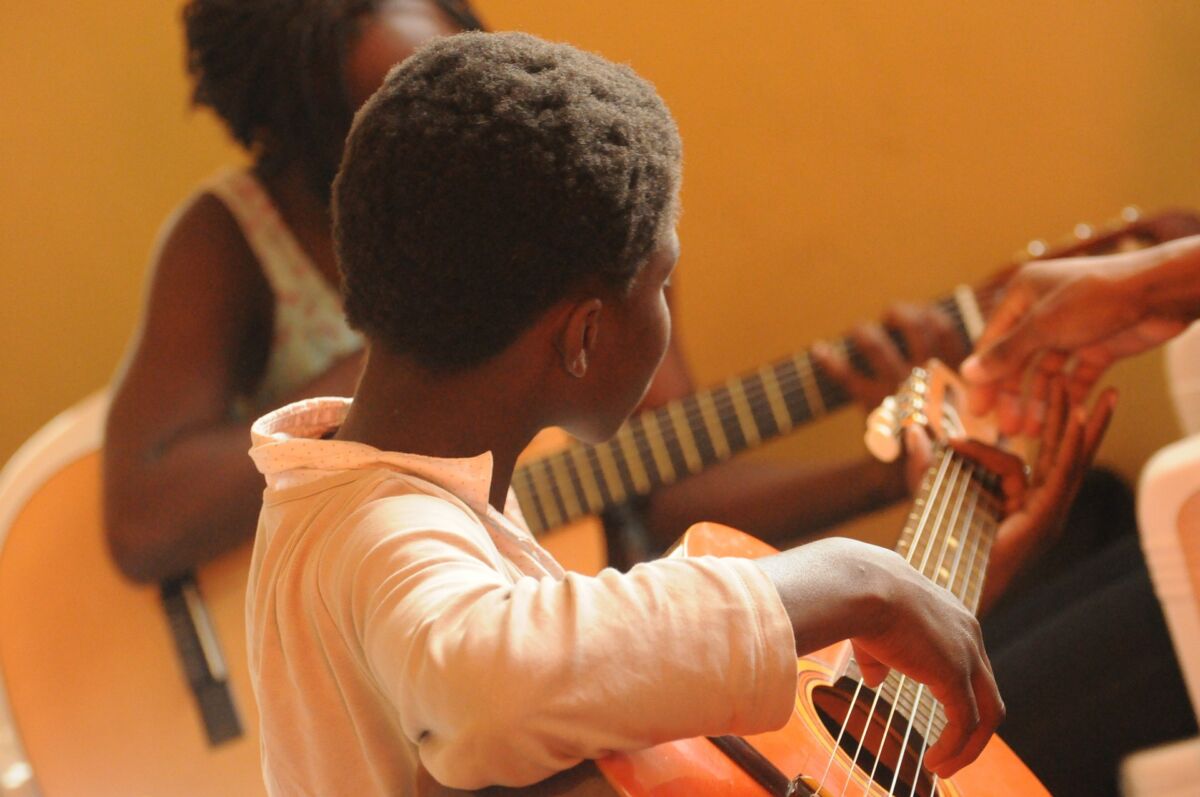
Judith: My children attended a supplementary school in the East Midlands, which they enjoyed. When I moved to Bedford there was no Saturday school so initially, I got together with two other parents and did activities with our children, such as reading comprehension, quizzes, cooking, exploring nature, playing instruments, doing creative art with local artists, etc. Then the idea to make this wider just grew. I wanted my children to grow up as part of a network of other Black children who are doing great things. I also wanted them to have more adult Black role models around them, who have a range of professions and careers so that they can start to identify what they want to do in adult life.
As an adult, I lived in a predominantly White area in the Midlands. I wanted my children to feel they were not alone, so they went to a Saturday school there.
Are you affiliated with any other organisations, such as The National Association for Black Supplementary Schools?
No. We are aware of other organisations but don’t feel we are ready to affiliate with other organisations. Because of Covid-19, The Learning Hub has gone online, and this has given us access to a lot of material that we wouldn’t otherwise have had access to before. The children have had some teaching from a Birmingham-based Saturday school online and a Black history course from a group in London.
Who sets the curriculum? Who delivers the lessons?
The subject areas we cover have been decided by teachers, parents, and children. Initially, our sessions were delivered online but now it is face-to-face twice a month for two hours. We are taking things slowly. The curriculum is around English, maths, and science but wrapped around that are all the softer skills we want to develop, like public speaking, questioning, being analytical, team working, and emotional and physical wellbeing, some of which are not necessarily taught explicitly in school. We also teach Black cultural history, health, and fitness.
We have a range of parents that are subject specialists in English, maths, etc, but also parents who are specialists in other fields. We all use our skills to help motivate the children.
We are self-funded, but we have worked with the charity, LOWD (Legacy of Windrush Descendants) in Bedford, which funded some sessions. There is a nominal charge for sessions, but everyone gives their time freely. We also take advice from CVS (Council for Voluntary Services)and have used their templates to help us develop our safeguarding, health and safety, and governance policies.
The first Saturday schools were set up in the 1960s, to close the attainment gap for children of African heritage.
Over the years the numbers of schools grew to around 50, but recently numbers have dropped (with a slight increase during the lockdown and the resurgence of the Black Lives Matter movement). Why do you think there is still a need for schools like this today?
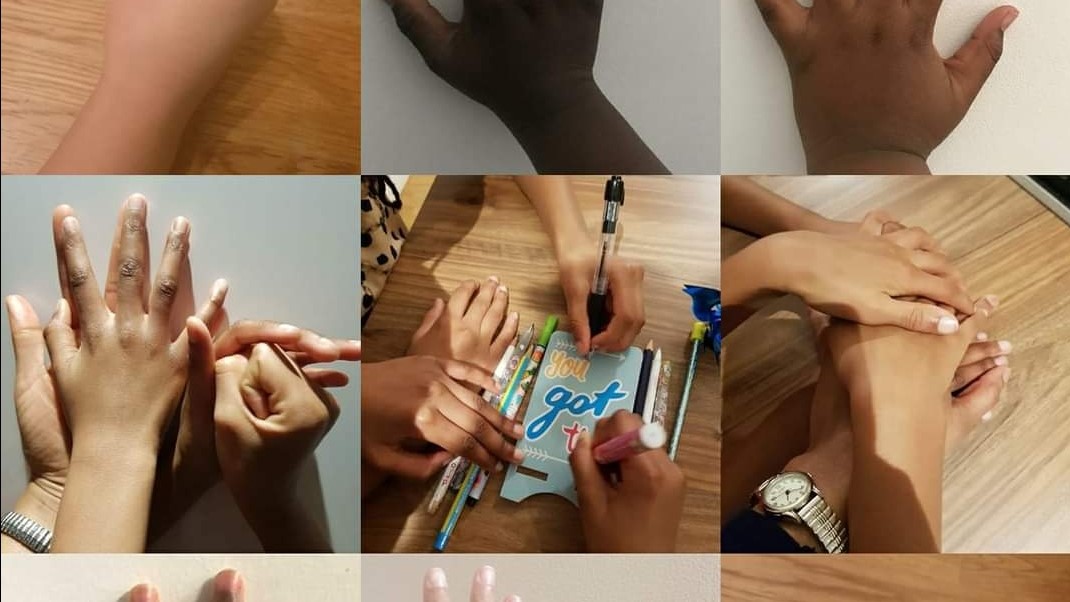
There is still a need. The attainment gap is still there and getting wider. Caribbeans and Africans have been in the UK for a long time and have settled into British culture, but the gap is still there. This may be because of how we are taught, the subjects we are taught, or we can’t see ourselves in what we are being taught. As parents, we aim to take responsibility for our children’s development and to plug that gap where we can.
But also, the backdrop to this is that there is racial disparity in every area: in health, in education, in opportunity, employment, etc, which means that the need is still apparent. There is still an issue from birth to death with prejudice and disparity between Black people and their White counterparts.
Who are you targeting? And what is the age makeup of the group that attends?
We target 5 – 18-year-olds in mainstream education. We started with 30 children online in January 2021. Numbers are now around 15 mostly in the primary age group. The older children have gone off to sporting / recreational activities as lockdown has eased.
Do you have any success stories that you can share?
The transition from working online to being a face-to-face group was a real success; the children have quickly gelled as a group; they are inquisitive and excited about what we are doing. They have also indicated that the sessions are not long enough! We have had the children showcasing their talents, sharing their knowledge, and exploring the types of skills they want to develop in the future. Our Show and Tell sessions have highlighted their talents in writing, playing a range of musical instruments, presenting and their love for coding and technology. We have also used several local “influencers” to deliver sessions, e.g., on film scriptwriting, music recording, and production, career paths by young people, fitness challenge, life on a small-scale farm.
How would you encourage others to get involved in helping or setting up a school like this in their area?
The group spread through word of mouth, and by invitation from existing parents. If parents want to do something like this, our advice is to just get on and do it. You don’t need to be a charity. Whatever skills you have can be passed on to others. Club together as parents and do it. It’s a great opportunity for parents and children to learn together. I would say that as you get more numbers you do need to get admin support to keep it going and you need a core team as the enthusiasm for it can wane when you get busy with life.
What do you think mainstream education providers can do to meet the needs of learners of African heritage?
The curriculum needs to be decolonised* and history lessons need to reflect the part that Africans played. But this must go wider, in decolonising* the whole education system.
It is a must that educators take training in anti-racism and unconscious bias. We can’t wait until Black History Month and look around for the Black face to come and give some input. What happens for the rest of the year?
Black people have been in this country for hundreds of years and we are significant contributors to the culture, history, and development of the nation, but we are often treated as side-line. In my view this approach of marginalising us is a waste of talent, energy, and enthusiasm, that could be used to significantly enhance what the UK has to offer the world.
The Bedford Learning Hub represents a small group of adults who support young people to understand and celebrate who they are, where they fit, and how they can be a voice for change in their community. It’s a small step but, if nothing else, these women should challenge us all, Black or White, to add our voice to the growing number of people who refuse to accept a prejudiced society where discrimination and racial inequality is still very evident.
[*The Oxford Dictionary summarises ‘decolonisation’ as “the withdrawal from its colonies of a colonial power; the acquisition of political or economic independence by such colonies”.
The term refers particularly to the dismantlement, following WW2, of colonial empires established before WW1. However, decolonisation not only refers to the complete removal of the domination of external forces within a geographical space, but it also refers to the decolonisation of the mind from the colonisers’ ideas – ideas that made the colonised seem inferior.]