


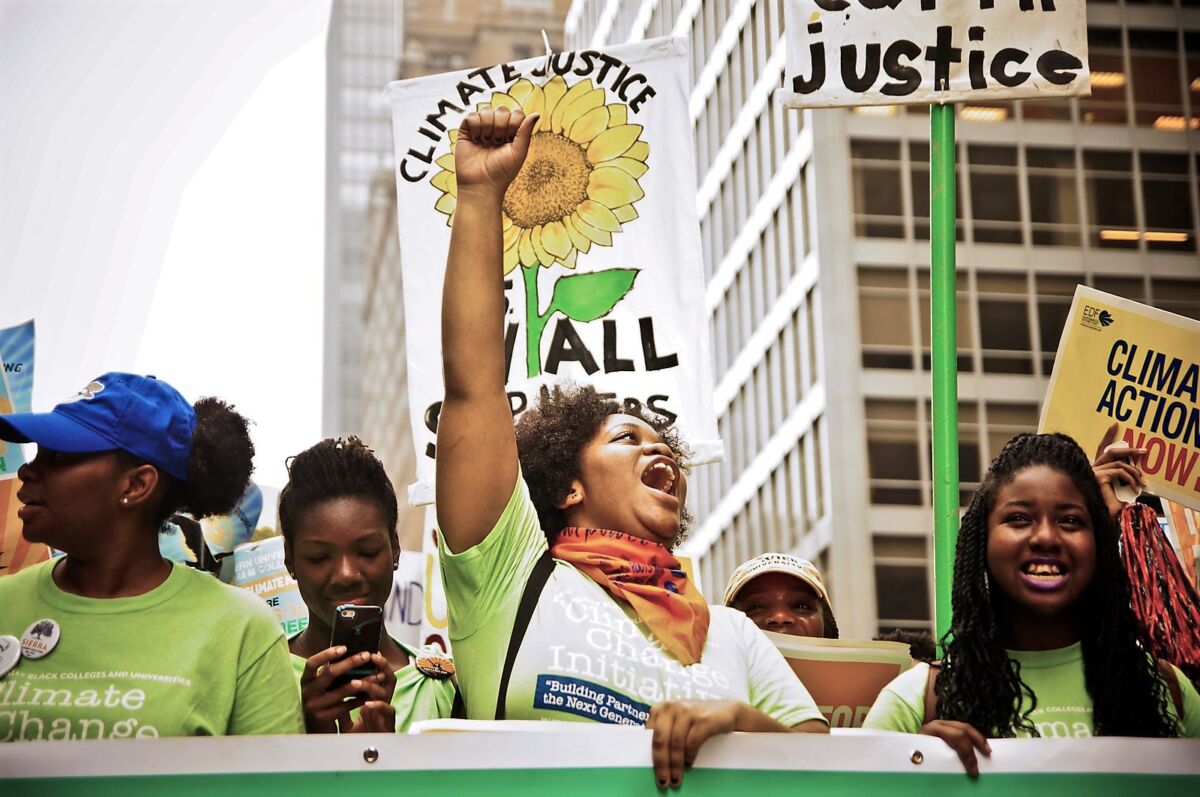
Africa is home to a 1.2-billion-person market, offering huge potential for growth and transformation of African lives using its human and natural resources.
However, as the world continues to experience extreme weather patterns, from intense rains to heatwaves and storms, countries across Africa are under significant threat from climate change.
Read on to find out more about the climate threats to African development.
Human activity is the main driver of an impending climate emergency, creating greenhouse gases – mostly carbon dioxide (CO2) – from the burning of fossil fuels.
When these gases trap the sun’s heat, it causes the planet’s temperature to rise, warming the earth.
Since the 1980s, CO2 has been released into the atmosphere rates never recorded before in history, with each decade getting warmer than previous years dating back to the 1850s.
Climate change is of course a global issue, but the most vulnerable regions are African nations and small Caribbean islands least responsible for global emissions.
For example, in 2019 Africa contributed a mere four per cent to global emissions!
Many African countries experience severe disruption to agriculture as flooding and drought impact crop production and food security, and this will only worsen while concrete action is not taken.
Humans can theoretically adapt up to a certain point of warming temperatures to a ‘new normal’ of limited resources, economic recession, and environmental change.
But if greenhouse gas emissions heat the planet much further, Earth will reach a tipping point, eventually causing global environmental catastrophe.
The world needs to halve carbon emissions over the next decade and reach net-zero by the middle of this century to limit a global temperature rise of 1.5 degrees.
And so the pressure is on for world leaders to keep temperatures from rising more than 1.5 degrees as stipulated in the Paris Agreement.
Climate science and the threats for Africa
Agriculture is the largest economic sector in many African nations, and crop performance is usually based on rainfed cultivation, which is highly sensitive to temperature and rain variations.
These vulnerable countries have experienced a massive impact on living conditions, as rain and temperature are the two contributing factors to the state of the climate.
Warmer temperatures and higher rainfall affect these populations’ health, causing diseases such as dengue fever, meningitis, malaria, and yellow fever, which all thrive in warm conditions.
And as the world has become increasingly hotter, Africa has experienced destructive tropical cyclones, drought, and flooding, all of which harm lives and livelihoods across the continent.
Tropical cyclones wreck Southern Africa
In 2019, two of the worst tropical cyclones – Idai and Kenneth – fuelled by warm water temperatures hit Southern Africa causing massive flooding and unprecedented damage.
Cyclone Idai made landfall in Mozambique on 14 March in the city of Beira, resulting in hundreds of deaths, and massive destruction of property and agriculture.
According to the United Nations (UN), Idai caused more than $773 million in destruction to buildings, infrastructure, and crops, and more than 100,000 homes were damaged or destroyed.
Less than six weeks later, Cyclone Kenneth struck, demolishing an estimated $100 million worth of homes, crops, and infrastructure affecting around 2.2 million people across Mozambique, Malawi, and Zimbabwe.
If the earth’s temperature continues to rise, so will sea levels, in turn worsening the impact of tropical cyclones and flooding for low-lying coastal cities like Beira across Africa.
Widespread drought
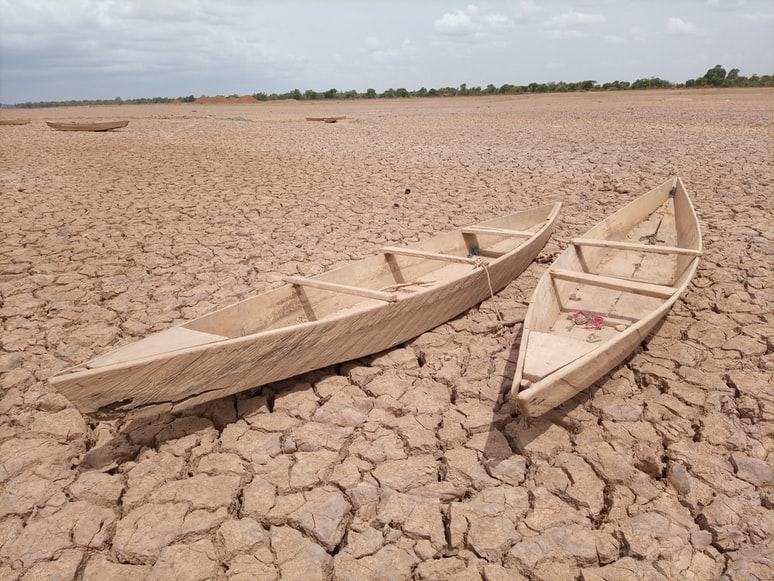
The north-central semi-arid region of Sahel is also directly experiencing adverse effects of climate change.
Lands are prone to drought and reduced rainfall which affect farmers’ livelihoods, bringing with them steep increases in food prices, and the rising need for food aid.
Two other challenges that threaten Africa’s progress are population increase and deforestation, resulting in hundreds of thousands of perished livestock, and malnutrition.
And according to a new UN Human Rights report, temperatures in the Sahel region are rising 1.5 times faster than the global average.
What are world leaders doing?
For nearly three decades, the UN has brought together almost every country for a global climate summit called COPs (Conference of the Parties).
But Paris COP21 in 2015 was a historical conference – where for the first time, every attending country agreed to work together to limit global warming to 1.5 degrees.
Thus, the Paris Agreement was born; countries would adapt to the impact of the changing climate, and also make financial resources available to address ongoing issues.
In the agreement, countries agree to setting climate action plans every five years, and 2020 was the deadline for submitting or updating these plans (the Conference was deferred to 2021 due to the pandemic).
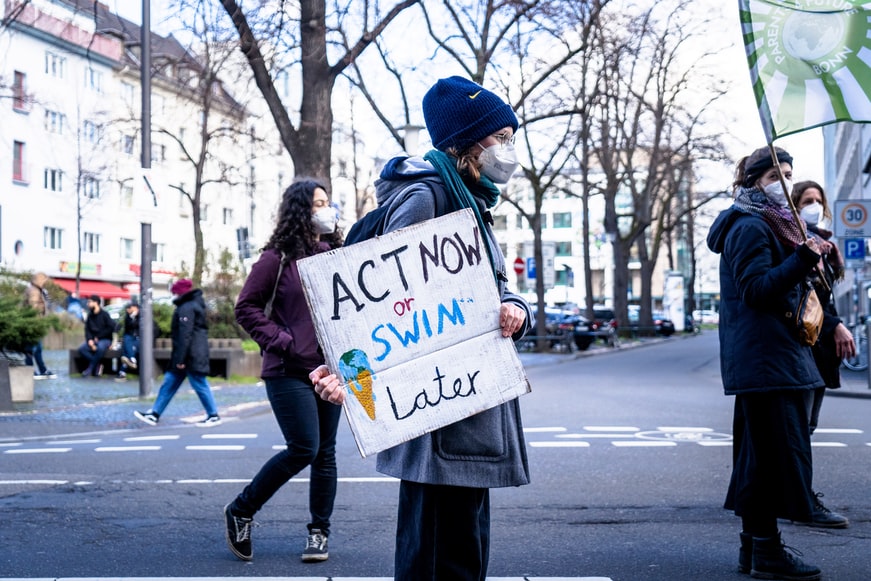
COP26 Pact Agreement
In November 2021, the COP26 took place in Glasgow with increasing pressure on global leaders to accelerate action towards the goals of the Paris Agreement.
After prolonged discussions, the conference concluded with the Glasgow Climate Pact, calling on the 197 countries to be more pioneering in their plans to tackle the climate crisis.
Tough negotiations took place around commitments to helping developing nations with a bolder deal on financial compensation, and contributions from the rich nations responsible for global warming.
But there were concerns from India, China, and South Africa who had an issue around the language related to “phasing out” coal in the Pact Agreement.
Countries reluctantly agreed to “phase down” coal use rather than “phase [it] out,” and the Pact acknowledges the need for caution between demands of developing countries and plans to address the climate crisis.
Economic development depends on energy; access to it, the quality of it, and stability.
So while richer countries, who have already profited from fossil fuels, can work towards phasing out coal and transition towards renewable energy, for developing countries, this would have huge economic impact.
Final thoughts
While many agree that there is a global climate emergency, unfortunately there isn’t a ‘one-size-fits-all’ solution.
But if richer nations insist that developing countries use sustainable energy sources, then financial support is required to help poorer nations such as those in Africa meet these ambitious targets.
Otherwise, Africa’s economic stagnation may well become extremely prolonged.
Should richer nations cough up the cash to help developing countries in Africa reach climate targets? Let us know your thoughts in the comments.
| Sources
https://www.cseindia.org/the-numbers-behind-climate-change-11033?utm_source=Mailer&utm_medium=Email&utm_campaign=Climate%20Change%20Weekly-4612 https://library.wmo.int/doc_num.php?explnum_id=10421 https://www.unocha.org/southern-and-eastern-africa-rosea/cyclones-idai-and-kenneth https://www.carbonbrief.org/met-office-atmospheric-co2-now-hitting-50-higher-than-pre-industrial-levels |


