


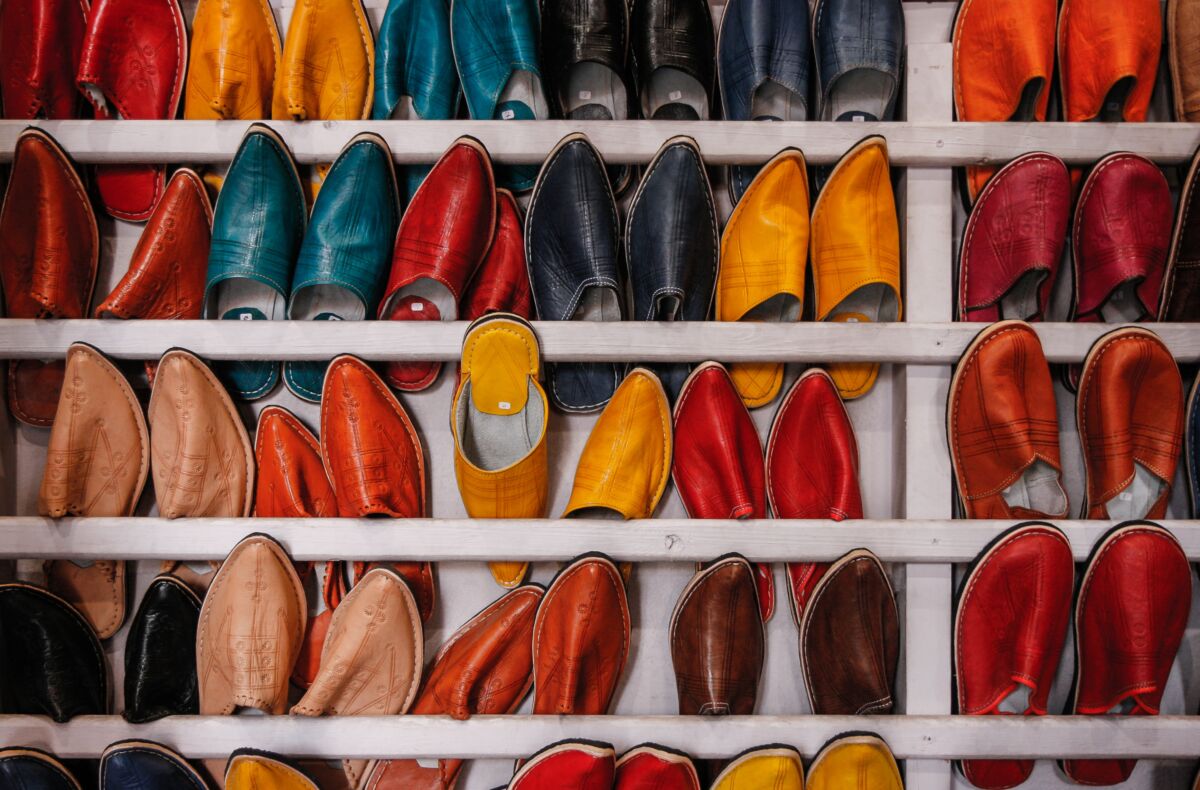
Africa is home to some of the most vibrant and colourful markets in the world. These markets are a feast for the senses, with sights, sounds, and smells that will transport you to a different world.
Onitsha Market, Nigeria
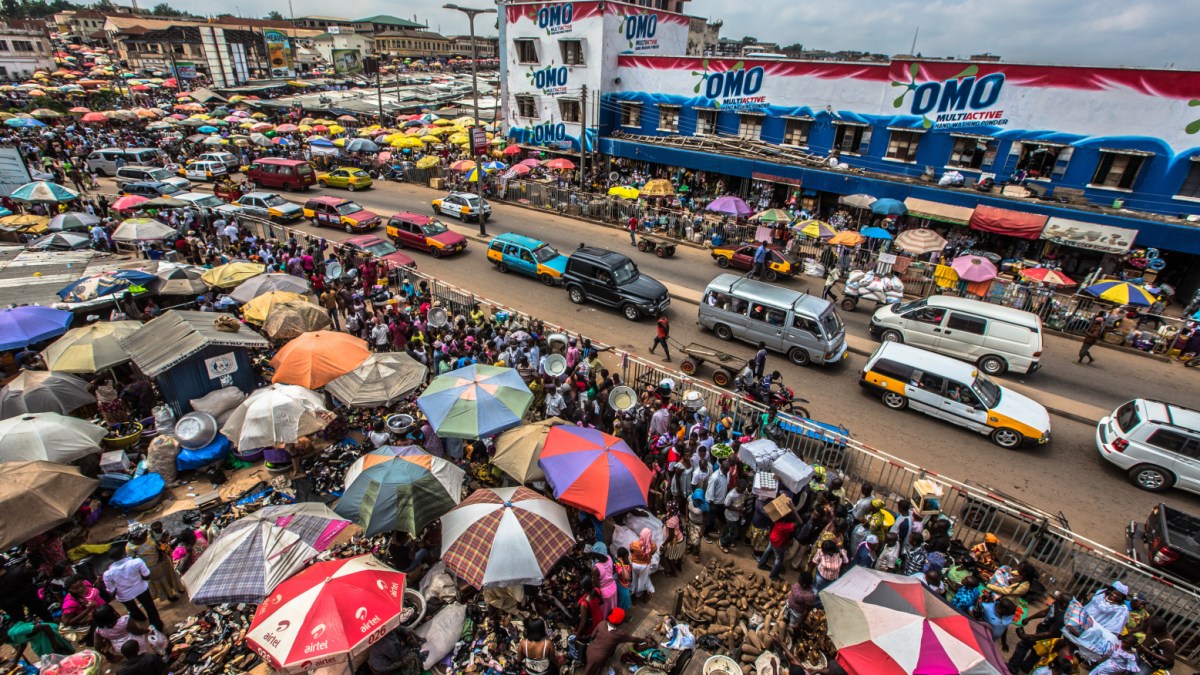
Onitsha Market is a truly unique and chaotic experience. It’s the largest market in Africa, and it is estimated that over 100,000 people visit the market each day. The market is divided into different sections, each selling a different type of goods, from fresh produce to electronics to traditional clothing.
One of the most interesting things about Onitsha Market is the way that the traders are organized. Each section of the market is controlled by a different guild, and each guild has its own rules and regulations. This system of self-regulation helps to ensure that the market runs smoothly and that everyone is treated fairly.
Another interesting observation about Onitsha Market is the wide variety of goods that are available for sale. You can find everything from the latest electronic gadgets to traditional Nigerian handicrafts. The market is also a great place to try some street food.
Bakaara Market, Somalia

Bakaara Market is the largest market in East Africa, and it is known for its wide variety of goods, including traditional clothing, spices, and exotic fruits. The market is also a major hub for the trade in livestock and weapons.
Bakaara Market has remained operational even during the Somali Civil War. The market is controlled by a powerful warlord, and it is seen as a neutral zone where people from all sides of the conflict can come to trade.
Another interesting aspect is that Bakaara Market is a major centre for the Somali diaspora. Many Somali people who live abroad return to Bakaara Market to do their shopping and to stay connected with their homeland.
Dantokpa Market, Benin

Dantokpa Market is one of the largest markets in West Africa, and it’s known for its lively atmosphere and its wide variety of goods, including traditional clothing, handicrafts, and food. The market is also a major hub for the trade in Voodoo paraphernalia.
A fascinating aspect of Dantokpa Market is the fact that it is controlled by a council of women, and the majority of the traders are women.
Another interesting aspect is the fact that it is a major centre for the Beninese film industry. Many Beninese films are shot in the market, and it’s a popular place for celebrities to meet their fans.
Grand Bazaar, Egypt

The Grand Bazaar in Cairo is one of the largest and oldest covered markets in the world. It is a labyrinth of narrow alleyways lined with stalls selling everything from spices to jewelry to traditional clothing.
Grand Bazaar has been in operation for over 1,000 years. The market was originally built by the Fatimid dynasty, and it has been a major centre of trade and commerce ever since.
Grand Bazaar is a microcosm of Egyptian society. You’ll find people from all walks of life at the Grand Bazaar, from wealthy merchants to poor peasants. As such, the market is a great place to experience the diversity and richness of Egyptian culture.
Jemaa el-Fnaa, Morocco
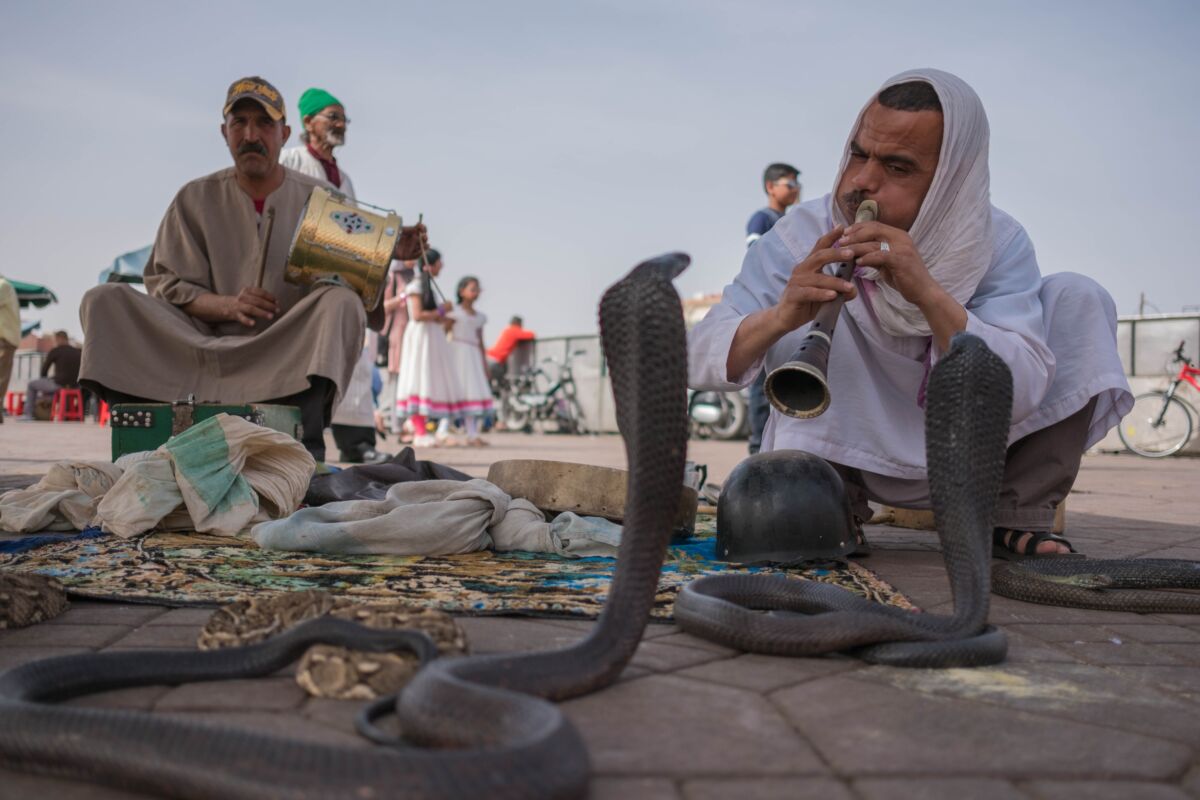
Any tour to Morocco would somehow be incomplete unless you spent an evening strolling through Marrakech’s incredible landmar:Jemaa el-Fnaa. It is the beating heart of Marrakech, Morocco, filled with stalls selling everything from food to souvenirs to handicrafts. It’s a great place to experience the local culture and to try some delicious Moroccan food.
Jemaa el-Fnaa is the fact that it is also a well-known UNESCO World Heritage Site. One of the most folkloric places in the world, the square is known for its unique atmosphere and its wide variety of traditional Moroccan cuisine. However it has a dark past: it was once a place to mobilize armies and to carry out death sentences.
A much-loved tradition here is the gathering of storytellers, musicians, and snake charmers that takes place here. Street theatre has been non-stop here since the 11th century. Listen out for the whine of the snake charmer around midday, shop for food, spices, carpets, lanterns and everything in between, feast on moreish grills and then enjoy the continuing drama, which heats up at around sunset.
The square is a great place to sit back, relax, and enjoy the sights and sounds of Morocco.
Masai Market, Kenya
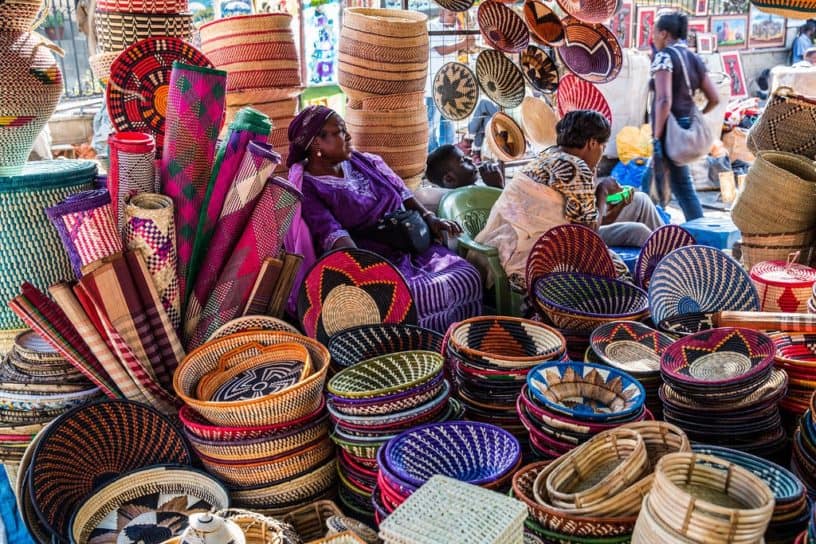
The Masai Market in Nairobi, Kenya, is a great place to buy traditional Masai handicrafts, such as beadwork, carvings, and jewelry. The market is also a great place to learn more about the Masai culture and way of life.
The Masai Market is the fact that it is run by the Masai people themselves. This means that you are buying directly from the source, and you can be sure that he products you are buying are authentic Masai handicrafts. The Masai are a proud people with a rich culture, and they are passionate about sharing their culture with the world.
When you buy from a Masai vendor at the Masai Market, you are not just buying a product, you are also supporting the Masai people and their way of life. The money that you spend at the market goes back into the community, helping to improve the lives of the Masai people.
So next time you are in Nairobi, be sure to visit the Masai Market and buy some authentic Masai handicrafts. It is a great way to support the Masai people and to take home a unique and beautiful souvenir of your trip to Kenya.
Mojo Market, South Africa
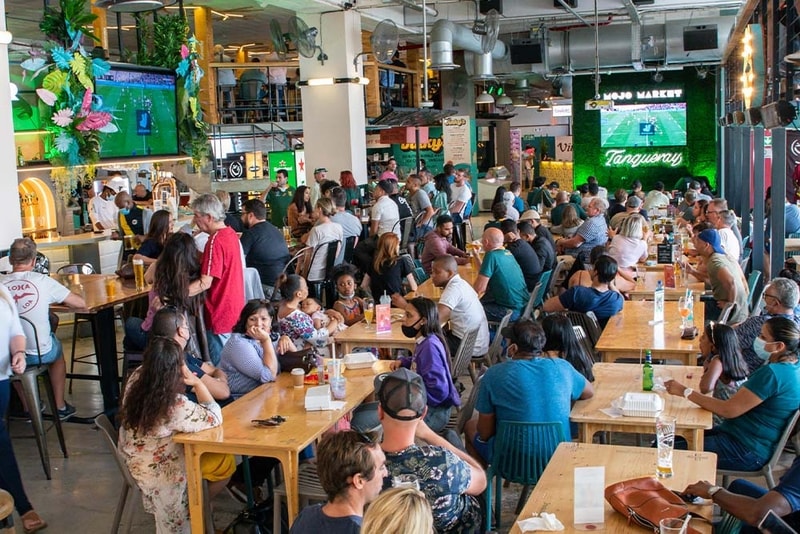
Mojo Market in Cape Town, South Africa, is a trendy food and lifestyle market with over 100 stalls selling everything from fresh produce to artisanal foods to crafts. The market is known for its lively atmosphere and its commitment to sustainability.
One of the most interesting things about Mojo Market is the fact that it is housed in a former power station. The market has been carefully renovated to preserve the building’s industrial heritage, and it is now a unique and stylish space to shop and eat.
Another interesting thing about Mojo Market is the fact that it is a social enterprise. The market provides jobs and training to people from disadvantaged communities, and it supports local businesses and suppliers.
Souk El Had, Tunisia

Souk El Had is a large outdoor market in Sfax, Tunisia, that is known for its wide variety of goods, including traditional clothing, handicrafts, and spices. The market is also a major center for the trade in livestock and carpets.
One of the most interesting things about Souk El Had is the fact that it is a very traditional market. Many of the traders have been selling their goods at the market for generations. The market is a great place to experience the traditional Tunisian way of life.
Another interesting thing about Souk El Had is the fact that it is a very multicultural market. You can find people from all over Tunisia, as well as from other parts of the world, at Souk El Had. The market is a great place to learn about different cultures and to try new foods.
Tips for visiting African markets
- Be prepared to haggle. Haggling is expected at most African markets, and it is a great way to get a good deal on your purchases.
- Be aware of your surroundings and take precautions to protect yourself from pickpockets and other petty theft.
- Dress comfortably and in layers, as the weather can be hot and humid at most African markets.
- Bring cash, as many vendors do not accept credit cards.
- Be respectful of the local culture and customs.


