


Few relationships are as rich and multifaceted as that between Lebanon and Nigeria.
This unique connection, woven through decades of migration, trade, and cultural exchange, stands as a testament to the resilience and adaptability of people. With around 30,000 Lebanese citizens calling Nigeria home and some 5,000 Nigerians living in Lebanon, the ties that bind these two nations are not only of mutual economic benefit but also of cultural and social enrichment.
A Historical Perspective
The story of Lebanese migration to Nigeria dates back to the late 19th and early 20th centuries, initially spurred by the silk trade and later by the tumultuous socio-political climates in Lebanon. Seeking stability and new opportunities, Lebanese immigrants found in Nigeria a fertile ground for their entrepreneurial spirit. Over the years, this trickle of migrants evolved into a steady stream, laying the foundations for a vibrant Lebanese community within Nigeria.

Economic Ventures and Integration
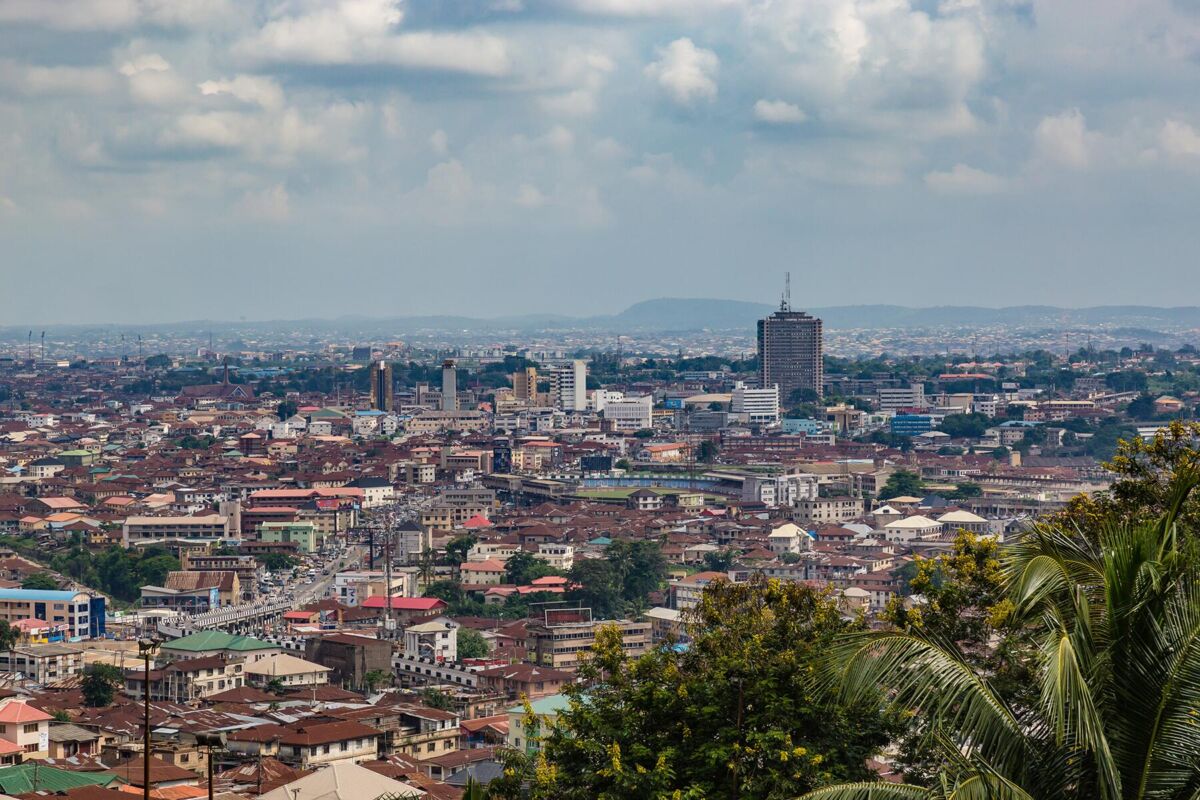
Many Lebanese immigrants chose Ibadan as their new home in Nigeria due to its status as a significant commercial and industrial center, especially during the mid-20th century when Nigeria gained independence. Ibadan’s strategic location as a hub for trade and its relatively welcoming environment provided fertile ground for entrepreneurial activities.
Lebanese individuals, known for their business acumen, were attracted to the opportunities in retail, manufacturing, and services industries within the city. Moreover, the existing Lebanese community offered a support network for new arrivals, facilitating integration and business ventures. This combination of economic opportunities and community support made Ibadan an attractive destination for Lebanese migrants seeking stability and prosperity away from the political and economic uncertainties in their homeland.
Lebanese Nigerians have been integral to Nigeria’s economic landscape, particularly in sectors like construction, retail, and hospitality. Their contribution has not only been in capital but in the introduction of innovative practices and global networks. The Lebanese diaspora in Nigeria is known for its robust support system, helping new arrivals integrate and establish themselves. This has facilitated a seamless blend into Nigerian society, where Lebanese Nigerians are seen not just as businesspeople but as an inseparable part of the cultural fabric.
Business acumen aside, the Lebanese community has actively contributed to Nigeria’s societal development through philanthropy. Initiatives focusing on education, healthcare, and infrastructure development have significantly impacted local communities, building goodwill and fostering deeper integration.
Cultural Exchange and Famous Personalities

The cultural exchange between Lebanon and Nigeria goes beyond mere coexistence. It’s a dynamic interplay of traditions, cuisines, education, and languages, and romance…
Lebanese cuisine, with its emphasis on fresh ingredients and vibrant flavors, has found a second home in Nigeria, while Nigerian music and fashion are appreciated in Lebanon.
This exchange has been embodied by notable Nigerian-Lebanese individuals who have excelled in various fields, contributing to the cultural and social life of both countries. They include:
Gilbert Chagoury: A prominent businessman and philanthropist, Chagoury is of Lebanese descent and has made significant contributions to Nigeria’s economy. He is the co-founder of the Chagoury Group, a Nigerian multinational business conglomerate that includes construction, real estate, and hospitality among its operations. Chagoury is also known for his philanthropic efforts in healthcare and education in Nigeria.
Michel Haddad: Renowned for his contributions to Nigeria’s real estate and hospitality sectors, Haddad is a respected Lebanese-Nigerian businessman. His ventures have also helped in the development of high-quality residential and commercial properties.
Fouad Maalouf: Known for his contributions to Nigeria’s agricultural sector, Maalouf has been instrumental in introducing innovative farming techniques and improving the quality of agricultural produce in the country. His work has supported Nigeria’s food security and agricultural development.
Ronnie Chagoury: Part of the younger generation of the Chagoury family, Ronnie Chagoury is involved in the Chagoury Group’s extensive operations, particularly focusing on the construction and real estate sectors. The Eko Atlantic City project, an ambitious land reclamation and urban development project in Lagos, is one of the flagship projects led by the Chagoury family, aiming to transform Lagos’s coastline into a world-class urban space.
Elie Khouri: Another notable Lebanese-Nigerian, Khouri has made his mark in the advertising and media sectors in Nigeria. Through his leadership and innovative strategies, he has contributed to the growth and development of Nigeria’s advertising industry, helping brands achieve significant visibility and success.
These individuals represent the profound impact Lebanese-Nigerians have had on Nigeria’s economic development, cultural diversity, and societal progress. Their contributions span across various sectors, including business, hospitality, agriculture, telecommunications, and media, showcasing the depth of the Lebanese community’s integration and positive influence in Nigeria.
Their success stories highlight the potential of diaspora communities to serve as bridges between distinct cultures and nations.
Challenges and Opportunities
Despite the strong ties, the Lebanese-Nigerian connection is not without its challenges. Issues of identity and belonging can arise, navigating dual cultural heritages while maintaining a sense of community in both countries. Moreover, political instability and economic fluctuations in both Lebanon and Nigeria pose hurdles to sustained migration and investment.
However, these challenges also present opportunities for deeper collaboration and understanding. Initiatives aimed at cultural education and exchange can further solidify the bonds between Lebanese and Nigerian communities. By promoting dialogue and mutual respect, both groups can overcome obstacles and work towards shared goals.
The Future of Lebanese-Nigerian Relations
Looking ahead, the relationship between Lebanon and Nigeria is poised for continued growth. The younger generations, beneficiaries of dual cultural legacies, are uniquely positioned to innovate and foster even stronger ties between their ancestral and adopted homes. The potential for collaborative ventures in technology, education, and sustainable development is immense, promising mutual benefits for both nations.
The Lebanese-Nigerian story is a powerful reminder of the beauty and complexity of human migration and cultural exchange. It underscores the idea that our shared humanity is enriched, not diminished, by our diversity.
The link between Lebanon and Nigeria shows how diasporas can bridge seemingly disparate worlds, creating new spaces of coexistence and mutual prosperity.


