


Thinking of expanding your business into Africa? African countries can vary dramatically in terms of their relative ease of doing business. Many factors come into play. Thankfully the Global Business Cities Index makes things a little easier by ranking cities on four sub-indices with different weights: economy, society, operational environment and ‘charisma’.
What’s in the Global Business Cities Report?
According to the Statista Global Business Cities Report, 200 of the most important business cities from 71 countries are ranked using the most relevant data for decision-makers. You’ll find the following information:
- Ranking of the 200 most important business cities
- Economic conditions, e.g. City product and unemployment rate
- Demographics, with projected total population in 2030 and life expectancy
- Infrastructure, e.g. physicians per 1,000 inhabitants
- Logistics, such as airfreight volumes
In short, the minimum information you need if you are seriously thinking about expanding your business into Africa.
The best cities in Africa for doing business
-
Cairo (31.84)

In addition to it’s being ranked as the best city in Africa for doing business, Egyptians in Cairo (and elsewhere) are highly educated and knowledgeable about Western business practices, so take advantage of the myriad commercial opportunities here, particularly within tourism and the healthcare industries.
2. Algiers (31.32)
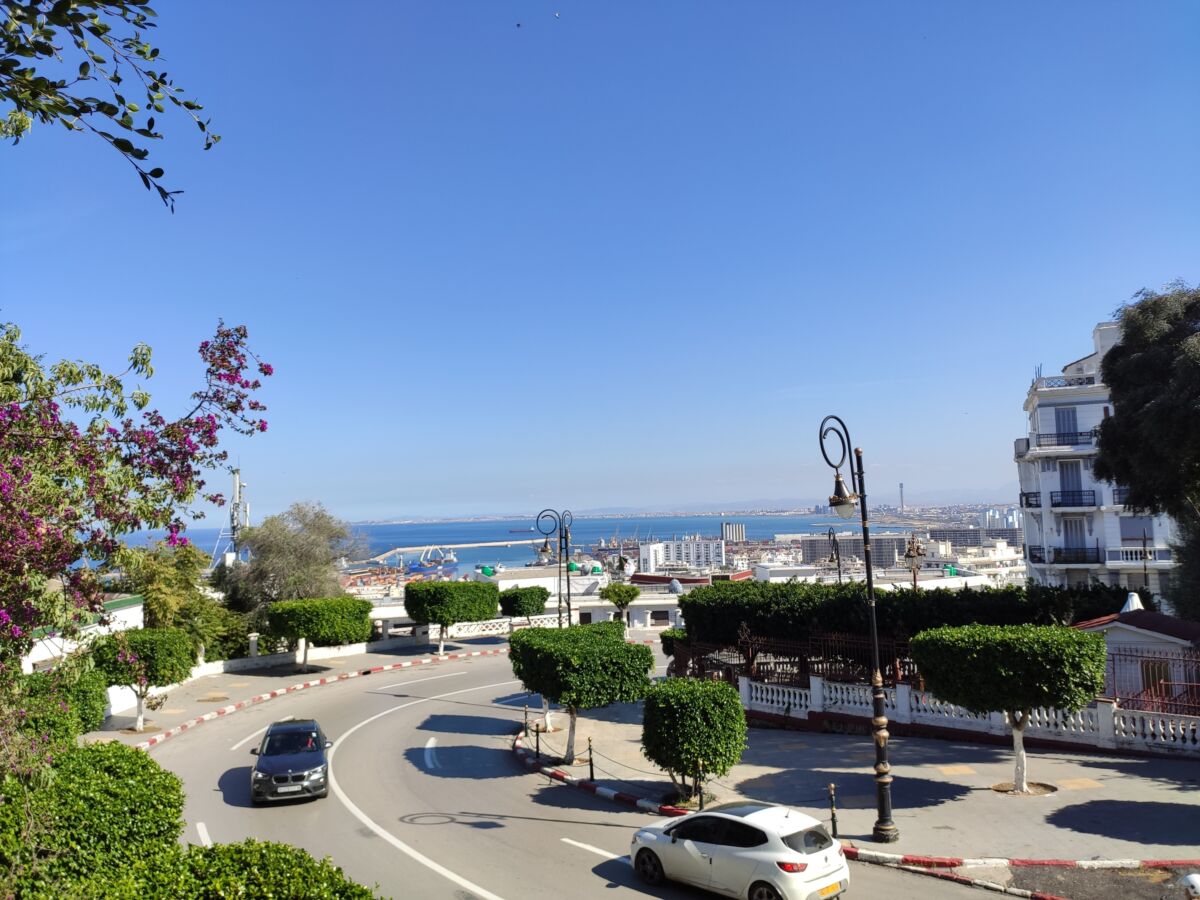
Factors such as infrastructural developments, technological investments and social development make the city a good bet for entrepreneurs.
3. Johannesburg (30.33)

Johannesburg is South Africa’s economic centre, a hotbed of commercial opportunities. South Africa’s largest city serves as the nation‘s financial centre, boasts one of the world’s largest airports, and has a population of 4.4 million people, many between the ages of 19 and 39. A testament to Johannesburg’s potential is the number of international companies that have established regional headquarters in the city. More than 70 percent of companies operating in Africa have regional headquarters in Johannesburg.
4. Casablanca (28.84)
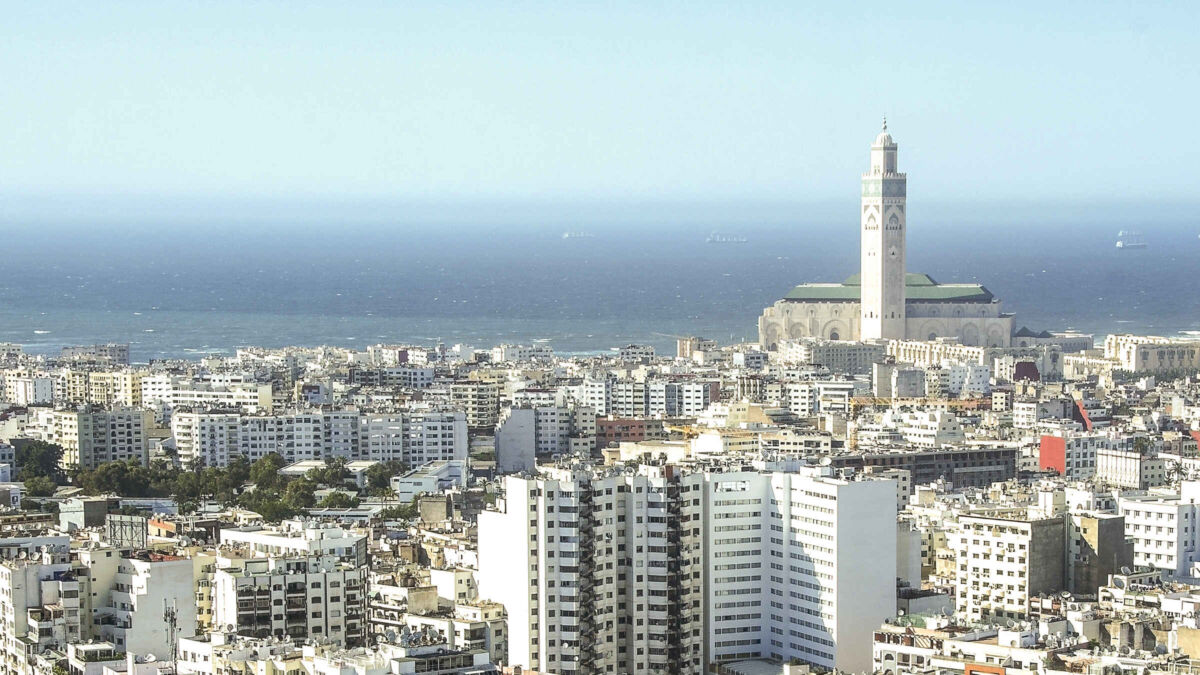
Morocco’s second largest city, Casablanca, is located in the central part of the country. It is the eighth most important city in the Arab world and is widely regarded as Morocco’s biggest financial centre. Casablanca is also a major port.
5. Nairobi (24.01)
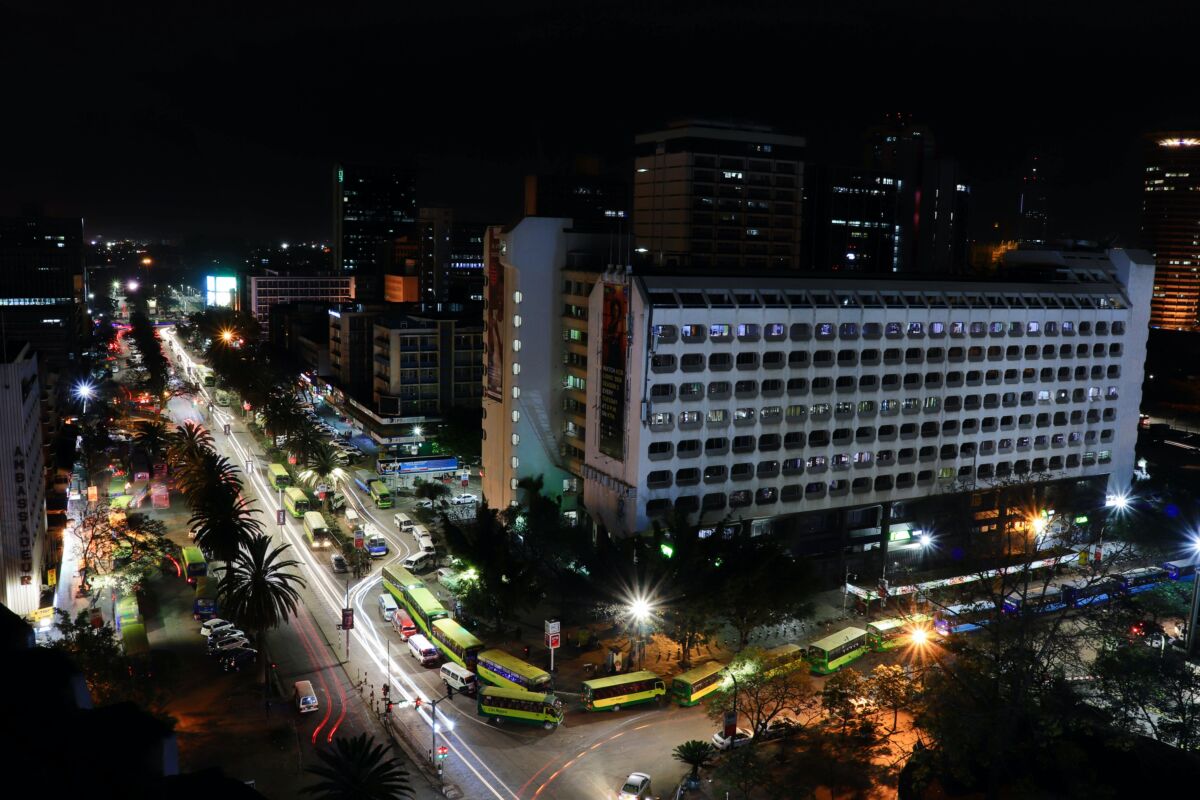
Nairobi is a rife with opportunity, particularly in sectors such as agribusiness (productivity and value add; coffee, tea, flowers, avocados), manufacturing (e.g. supporting the manufacturing value chain from renewable low cost energy, manufacturing of medical supplies, value add of agricultural goods, upgrading the cottage industries), real estate (e.g. affordable housing), financial services (e.g. fintech and alternative investment management), tourism, pharmaceuticals (including the manufacture of medical equipment), information communication technology and digital trade, and infrastructure.
6. Cape Town (17.14)

There’s plenty to admire about Cape Town – an attractive quality of life, beautiful scenery, a mild climate and a comparatively low cost of living. In addition to this, Cape Town ranks favourably in terms of the cost of doing business. It takes around 40 days on average to launch a business here. There’s no minimum capital requirement to obtain a business registration number, either, compared with the Organisation for Economic Co-operation and Development (OECD) average of 10.4% of gross national income.
7. Accra (16.48)
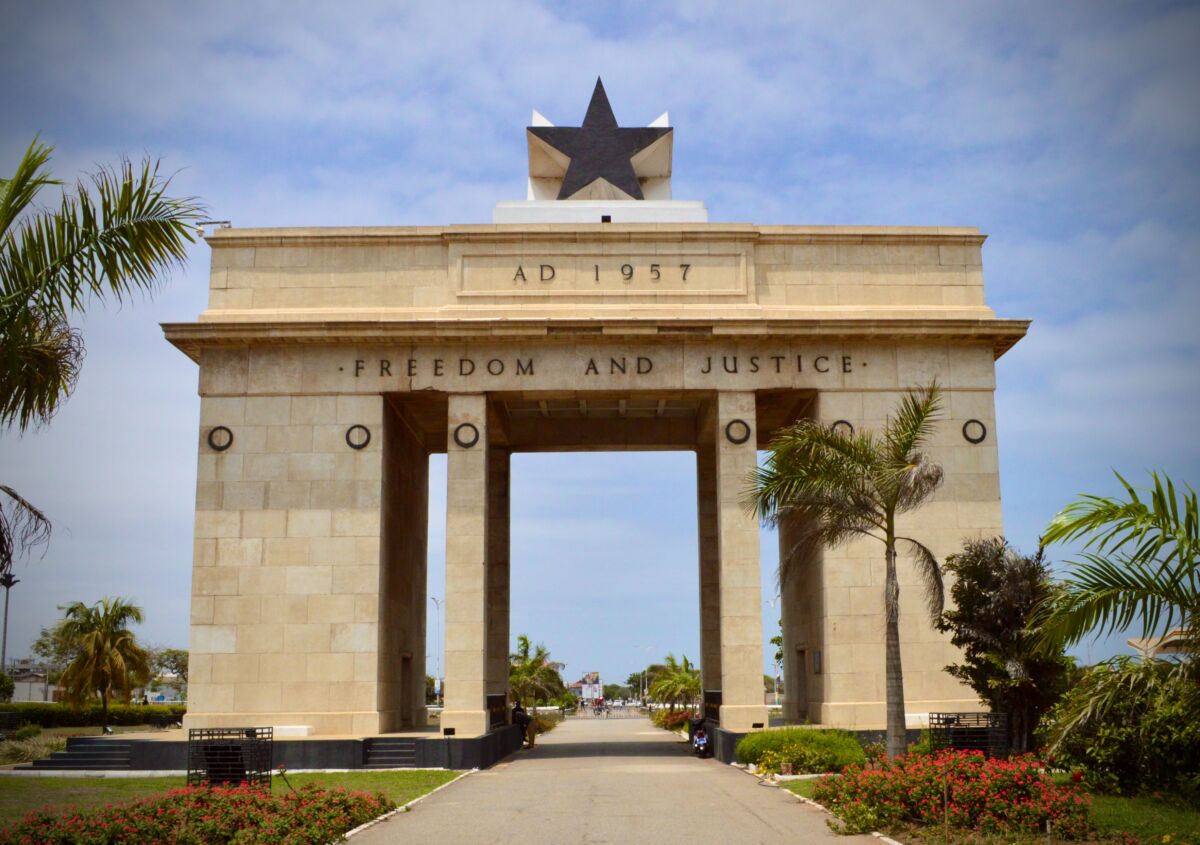
Due to Ghana’s stability and English-speaking population, it is viewed as an attractive destination among many multinational companies and institutions. The country is also home to the Secretariat of the African Continental Free Trade Agreement (AfCFTA). With two large ports, including a recently completed expansion of capacity at Tema and an international airport serving Accra, Ghana is well situated as a regional entry and exit point on trade routes.
8. Lagos (10.70)
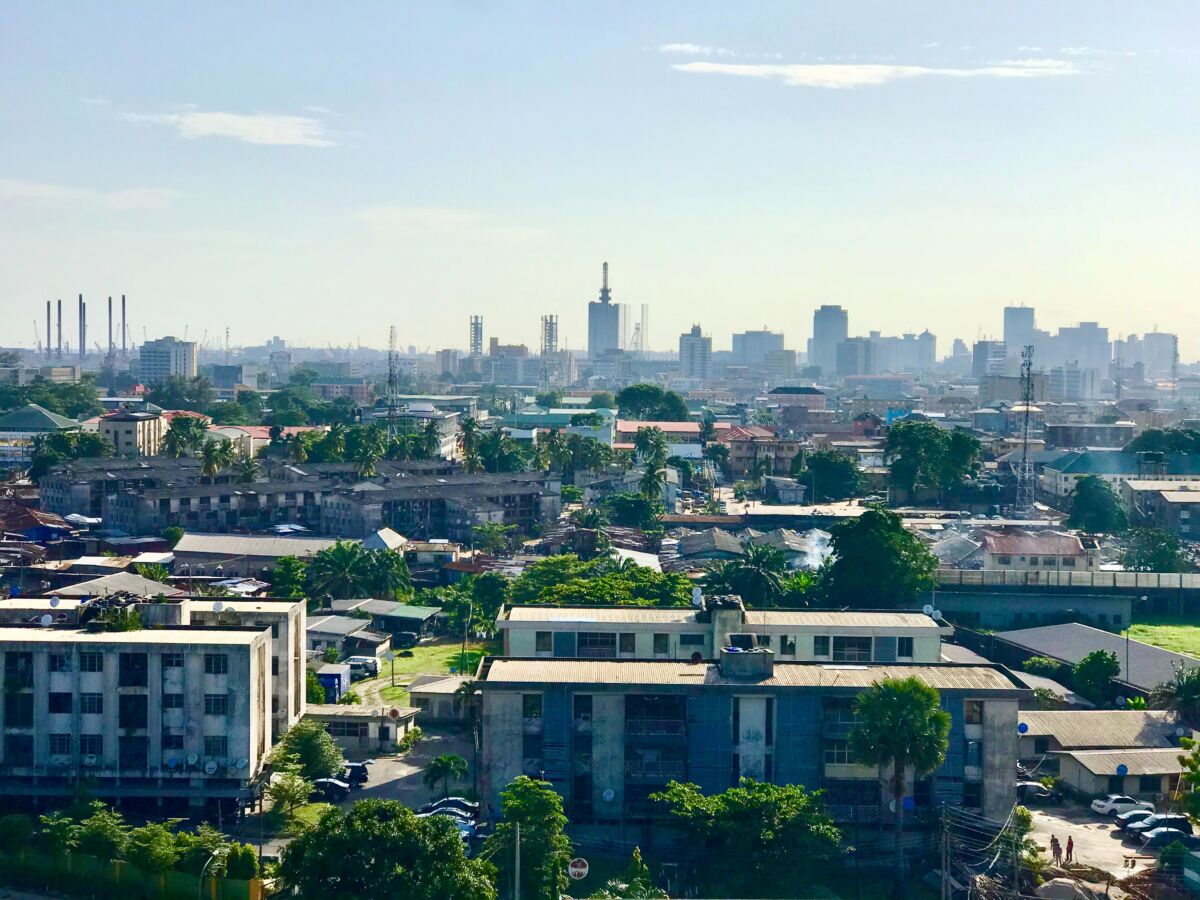
Lagos, Nigeria’s irrepressible beating heart, will surprise no-one by its entry in this list. Nigeria is Africa‘s biggest economy ($429 billion in 2020) and is its most populous. The country’s population is expected to double by 2050 (202 million World Bank estimate in 2020). The potential of its markets, human capital, and natural resources is vast.
Nigeria remains Africa’s largest economy, despite a recession caused by the covid-19 pandemic, a decline in oil prices, and increased risk aversion among investors.


