


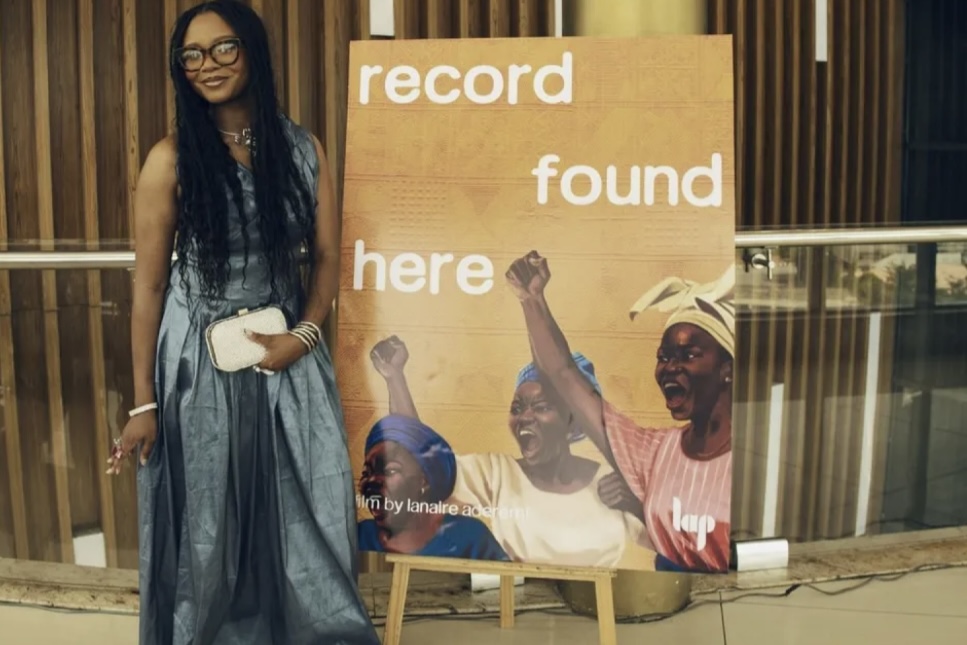
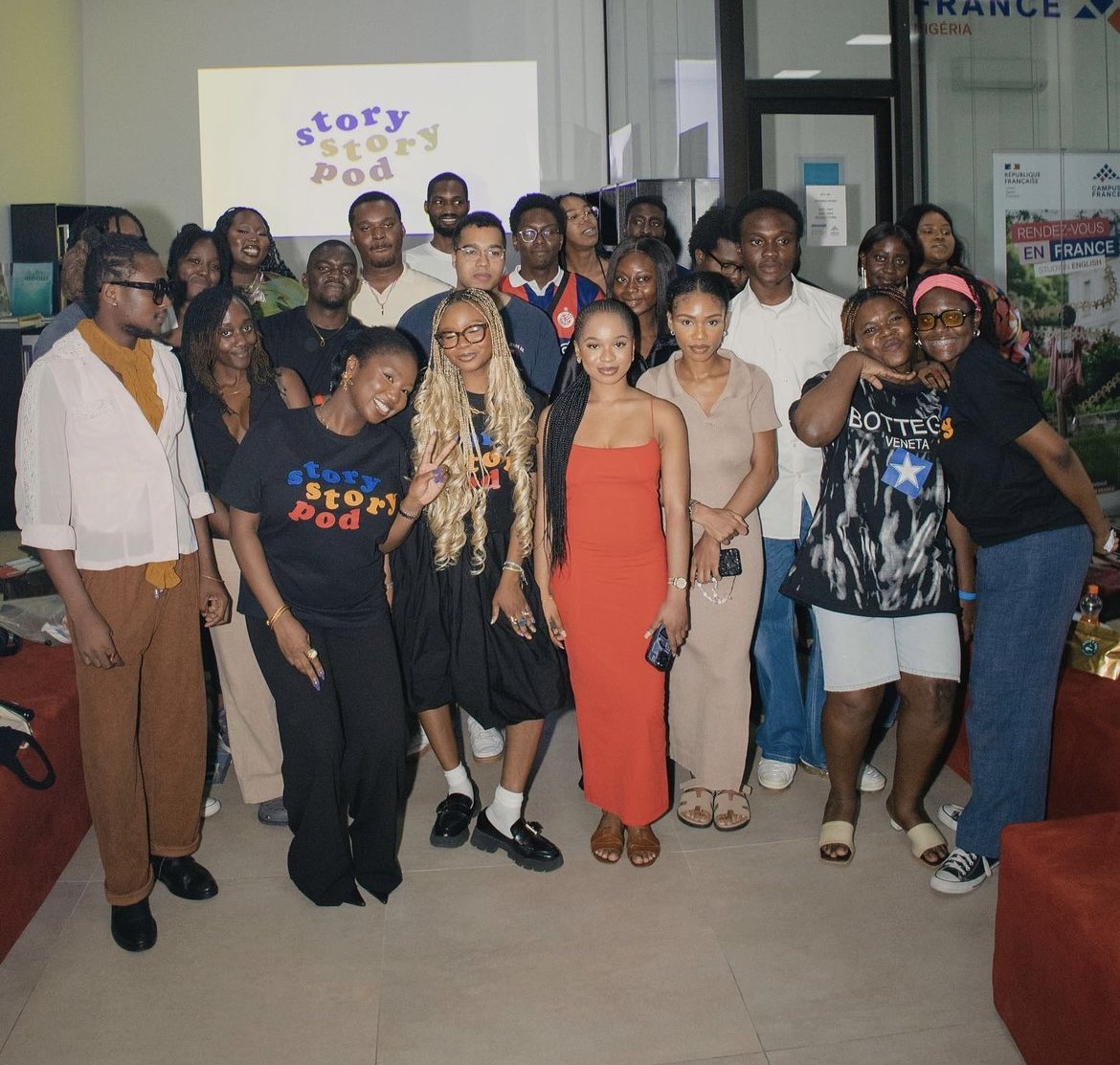
Earlier this year, I was privileged to attend the inaugural “story story” pod event in Nigeria. The “story story” podcast is a four-part historical audio-drama series produced by Lanaire Aderemi of Lanaire Aderemi Productions. Lanaire is an incredible multi-hyphenate creative with a 1st Class BA in Sociology and a 1st with Distinction in a Creative Writing MA from the University of Warwick. In addition to her academic prowess, Lanaire is an accomplished musician, award-winning playwright, short-film director and poet whose work has been screened, performed, read across the world in prestigious institutions such as the Tate Modern and the BBC.
Since 2021 Lanaire has been a PHD Researcher at the University of Warwick, the subject of her research also being the subject of the story story episode I first listened to, the Egba Women’s Revolt.
The “story story” pod series as a whole uses a combination of narrated news segments and dramatic reenactments to create an immersive experience that can only be described as cinema for the ears. In my research for this article, I have found no resource on the revolt that so succinctly and grippingly details the event. Take the time right this moment to listen to it.
The “story stories” told are essential, highly informative pieces of Nigerian history, sadly left out of the schooling of many Nigerians, particularly since history was actually removed as a compulsory part of Nigerian curriculums between 2008 and 2022. The “story story” pod takes these stories, blows the dust off them, and engages the listener with them, using the audio medium to its fullest to totally immerse the reader in those times. Even the title transported me back into my own memories of nursery and primary school, where the call of “story story” was the start of the call and respond that would transport the class into the fables and tales of the past and the fantastical.
The call and respond goes like this:
Teacher- “story story”
Class- “Storyyyyy”
Teacher- “Once upon a time”
Class- “Time time”
In 28 minutes Lanaire and cast delivered an absolutely engrossing story of this important and all too frequently forgotten chapter of Nigeria’s history. A combination of narrated news segments, re-enactments from a range of involved personalities, I was thoroughly impressed by Lanaire delivering on her promise to make history not boring.
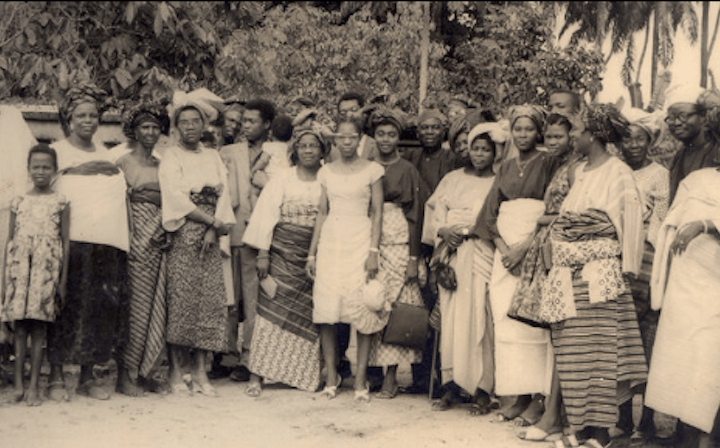
The Egba Women’s Revolt is an inspiring story of community organization and cross class feminism, with over 10,000 thousand Nigerian women standing up to Alake of Abeokuta, the King of their land, because he allowed himself to be puppeteered by the British colonial government and use his power to oppress and exploit his own people.
The mastermind behind the revolt, the woman who revamped the bourgeois Abeokuta Ladies’ Club into the organized, pro-worker and anti-colonial force that was the Abeokuta Women’s Union, was Funmilayo Ransome-Kuti. While I had always known Chief Kuti’s name, and that she was an important figure in Nigerian history in her own right, beyond being the mother of perhaps the most famous Nigerian to ever live, Fela Aníkúlápó Kútì. However, Lanaire’s masterfully produced audio-drama did far more justice to Chief Kuti’s introduction than the cursory and superficial ones of my youth.
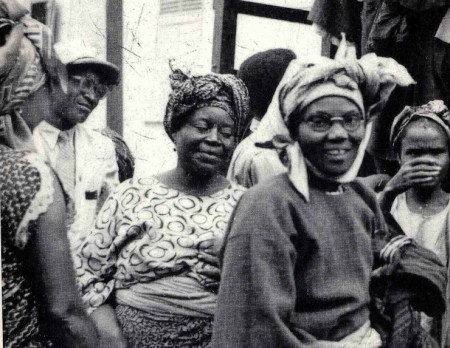
After all, I was never taught my own history in school.
A month or so later, I watched the Funmilayo Ransome-Kuti biopic directed and produced by prolific creative Bolanle Austen-Peters, which had through divine timing, coincided with Lanaire’s return to Nigeria to continue her PHD research. The biopic is a decisive and well executed tour of Chief Kuti’s life, but was still centered around the Egba Women’s Revolt as perhaps the most inspiring story of her very inspiring life.

Shortly before my return to the UK, I attended the premiere of Record Found Here. A short documentary, directed and written by Lanaire, serving as her entry into the growing discourse surrounding Funmilayo Ransome-Kuti and the Egba Women’s Revolt.

What makes Lanaire’s entry into this discourse different?
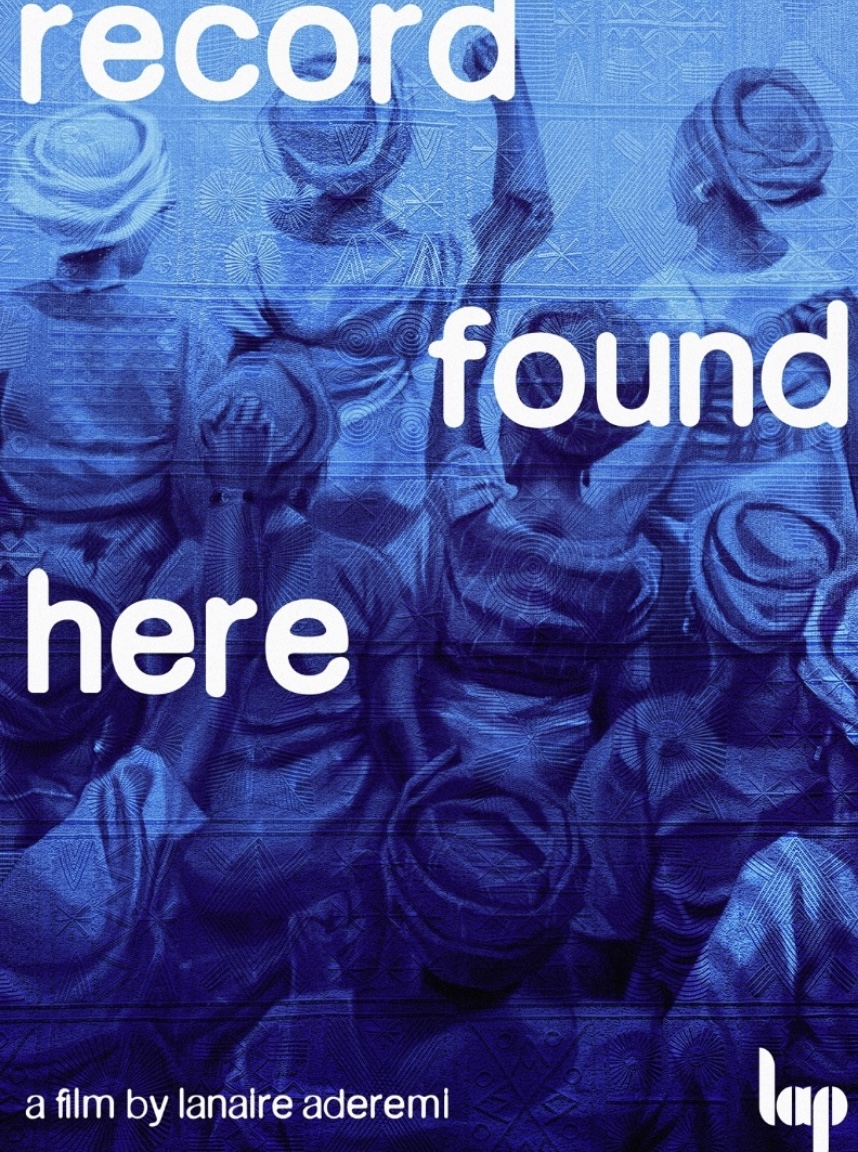
At both of the prior “story story” pod events I attended in Lagos, Lanaire made a point of elaborating on the philosophy behind her work with story story. The single, central line of it all was “silence is violence, forgetting is violence.” Therefore, story story exemplifies that if forgetting is violence, remembering is healing, and by making history engaging, we better enable the act of remembering.
Record Found Here is cut from the same cloth, the film does not re-tread the ground so masterfully covered by the audio-drama, Lanaire does not take the easy way out of retelling a story she has doubtless become deeply familiar with over the course of her PHD research. Record Found Here is a celebration of Funmilayo Ransome-Kuti as an inspirational figure, and the Egba Women’s Revolt as an exemplary occasion, but far more than either of those things, the film is a celebration of how the act of storytelling connects us with our foremothers, and how essential it is to capture every moment and remember every face.
But what’s the actual film like?
Record Found Here is arranged into three chapters: 1. Record. 2. Found. 3.Here.
Each chapter is distinct in its theme and content, by engaging with the very words of the title on multiple levels.
- Record
In this first chapter we meet Lanaire’s grandparents, the gardeners who planted the seeds of her interests in the Egba Women’s Revolt and of the core tenets of the philosophy that permeates both the story story podcast and Record Found Here. Lanaire’s grandfather shares how his mother’s passing taught him that it was essential to record things. A narrating Lanaire reveals that it was her grandmother who first shared the story of the Egba Women’s Revolt with her. A memory that needed to be recorded and retold from the highest peaks to all the land.
Even from this first chapter, Record Found Here showcases a deft understanding of an inconvenient truth for any powers that seek to keep people divided. Through the testimonies of our elders we are forever linked to our past, generational gaps can be bridged by the elders encouraging curiosity in their children and grandchildren, and by those children and grandchildren respecting the experiences of their elders. Record is a call to action, telling the audience to record, to take pictures, to write things down, to speak to their elders, to commit all stories to memory.
2. Found

The longest chapter of the film sees Lanaire going out into Abeokuta, the historic home of the Egba people and the central setting of the Egba Women’s Revolt, and interviewing an engrossing and charismatic cast of elders who were children at the time of the revolt. It was beautiful and inspiring to see elders so vibrant and strong, overjoyed to share their memories and sing the protest songs that rang out as the organized Egba women ousted the Alake and won out over the horrific colonial tax scheme.
To me, the Chief amongst Chiefs was Chief Olufunmilayo Adunola, dressed in vibrant purple, Chief Adunola sang the loudest and delivered a truly moving speech on how witnessing the Egba Women’s Revolt and the revolutionary example of Funmilayo Ransome-Kuti inspired her own success. Chief Adunola confided that it was because of Funmilayo’s example that she was able to travel to the USSR for training in 1985, and eventually became the first leader of the women’s wing of the Nigerian Labour Congress, the umbrella organization that shelters most of the trade unions in Nigeria! Chief Adunola’s testimony is a shining illustration of how forgetting truly is violence. Because by denying future generations the story of the Egba Women’s Revolt, of Funmilayo Ransome-Kuti’s example, you deny them the inspiration to elevate themselves and others.
Another of the elders relates that the experience of witnessing the revolt showed her that “education is important”, a simple sounding message, but it is essential to remember that oppressive powers will always attack education first. Seeking to deny the people the stories to understand their own oppression, or the words to be able to organize against it. Another line that caught my attention “The song is nice sung along. But it’s always better as a collective.” In reference to the uplifting and defiant protest songs of the Egba Women. It is nice to sing along, to support a cause from a distance and enjoy the community, but it is always better to be in the crowd doing the work.
3. Here
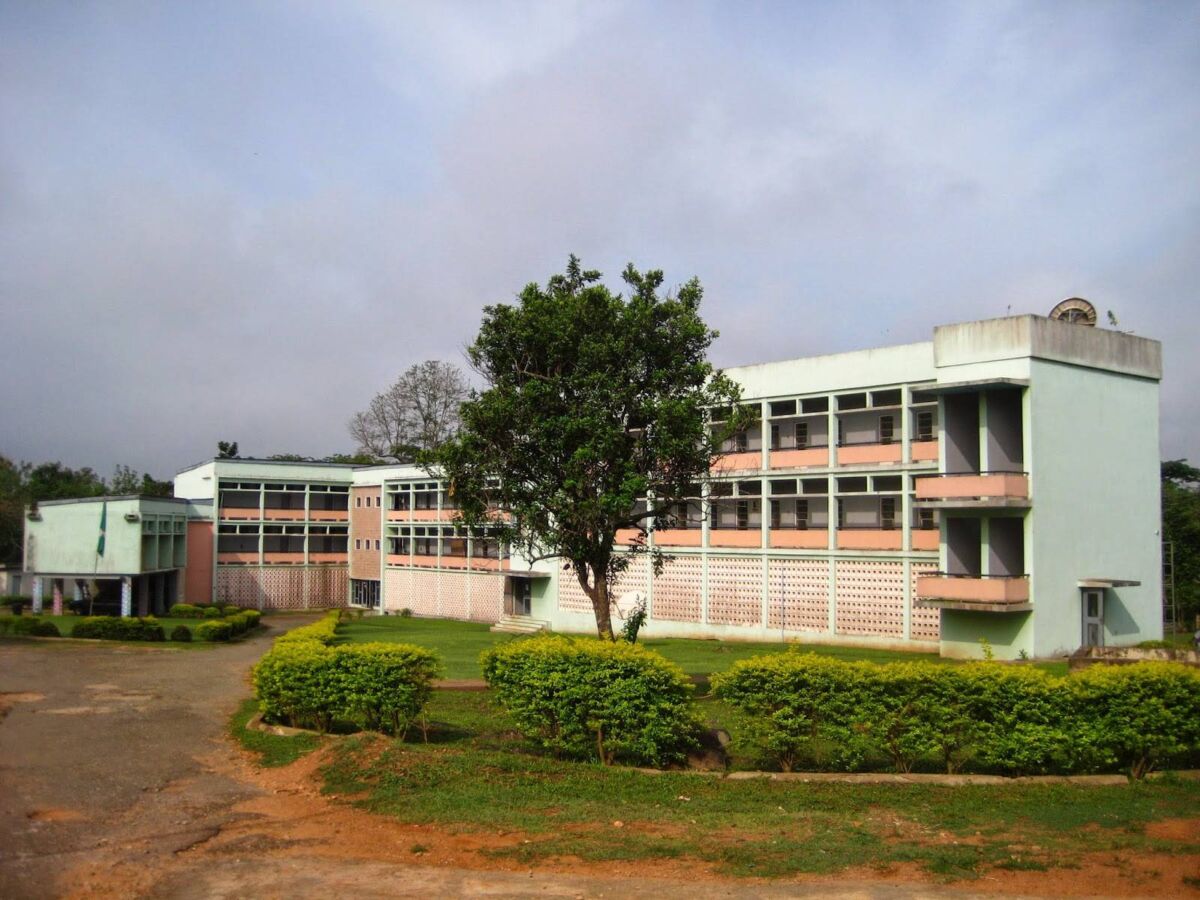
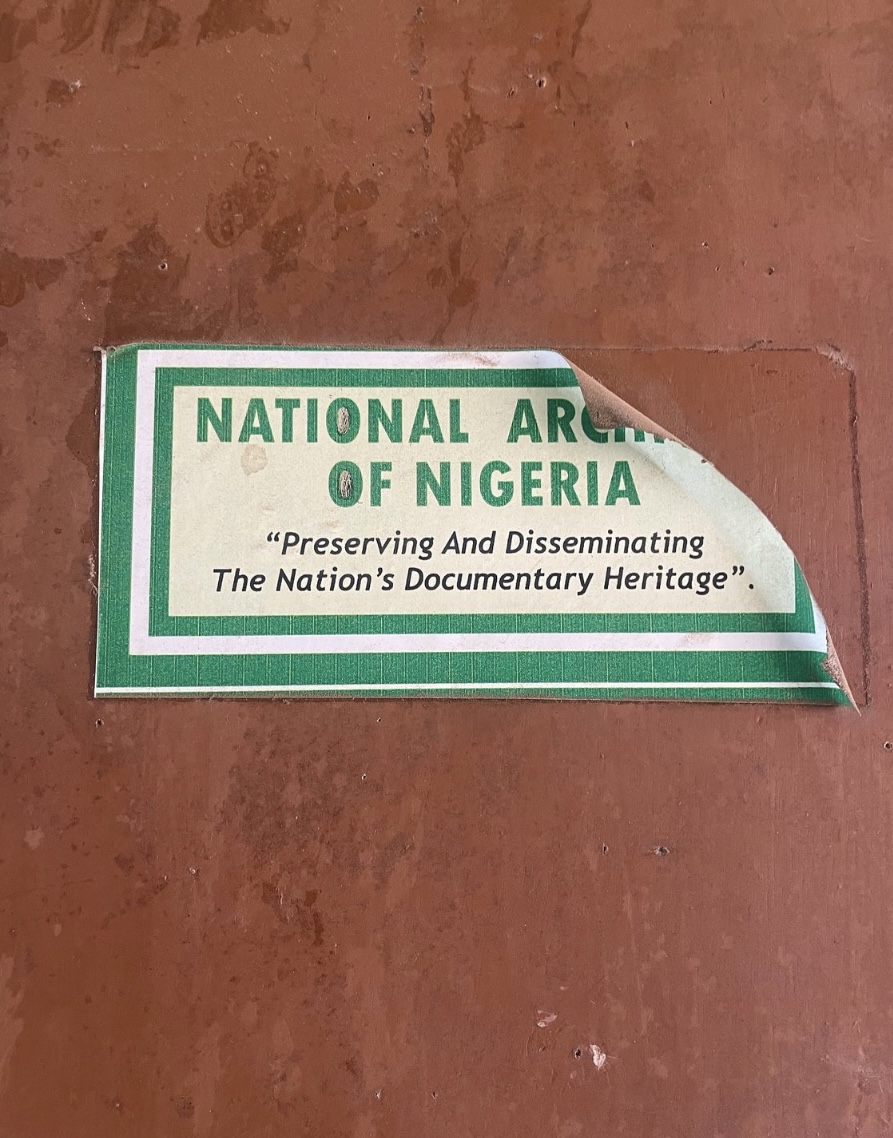
The final and shortest chapter of the film sees Lanaire traversing the halls of the Abeokuta branch of the Nigerian National Archives, delivering a closing narration via voiceover. A moment must be taken to congratulate the cinematographer, Granville Wilson.
In the very first chapter Lanaire talks about how memory transports her into the past, where she moves like a spirit, something that Granville captures perfectly and is another thematic through line between the story story audio-drama and Record Found Here, testament to the specificity of Lanaire’s vision and her ability to curate according to it. Lanaire is framed as an ethereal presence, never speaking on camera, gracefully moving through the Kuti Heritage Museum and the Abeokuta National Archives. Ekene Amaonwu and Dare Balogun did masterful jobs in editing and sound as well, the trifecta’s efforts conveying that in her research, in her immersion into the past, Lanaire has physically been transported into the space of memory and story.
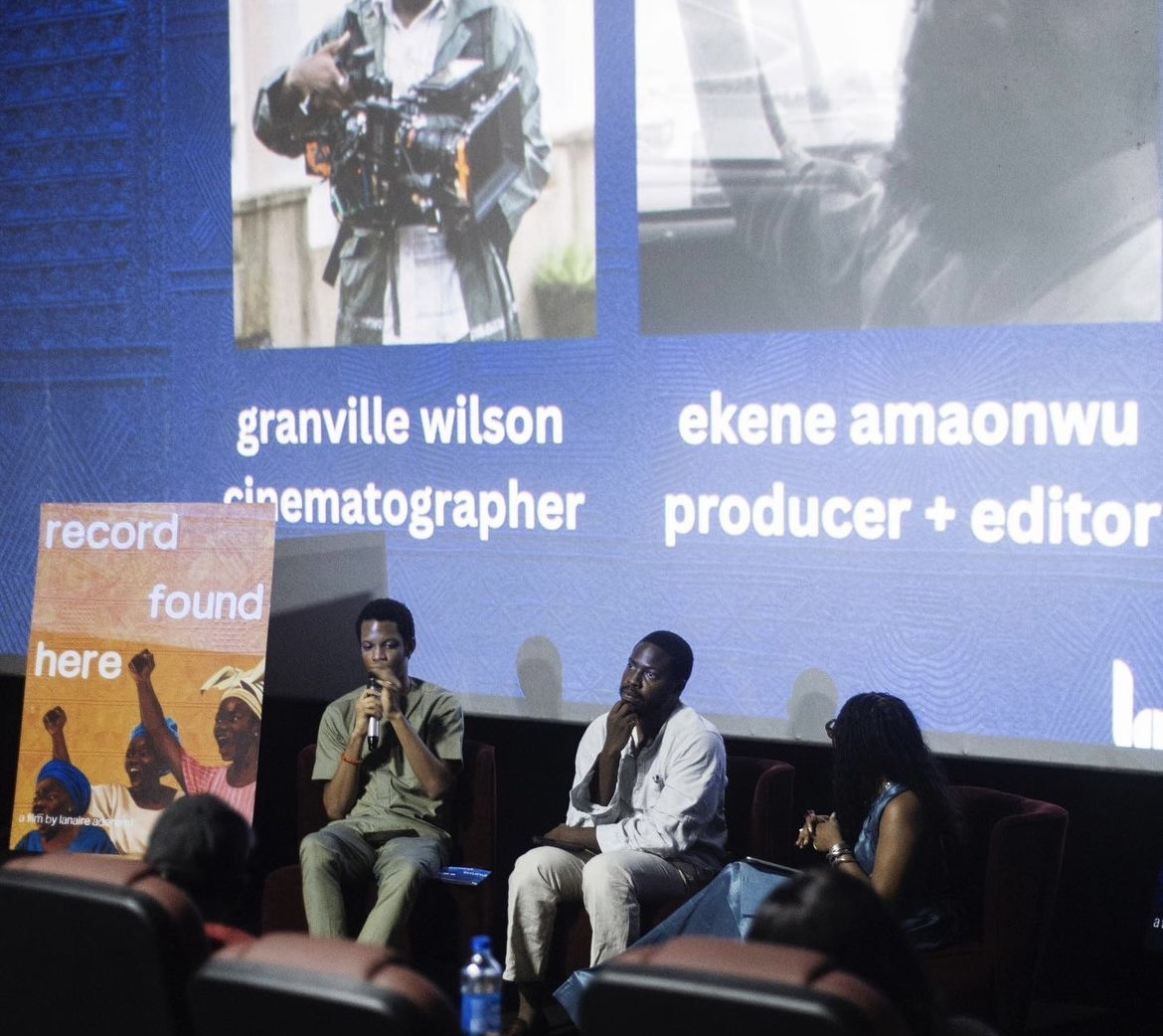
As the film concludes, Lanaire recites the plain truth, the simplest point of her work.
“I believe that a critical understanding of our past will help us make sense of our present, and chart better paths for our future.”
In an era where governments across the world seek to curtail the immortalisation and democratization of information made possible by the internet, who wish to demonize any attempts to critically understand the past as ‘woke nonsense’, be a revolutionary like Lanaire and Funmilayo Ransome-Kuti before her. We don’t all have to lead armies of the people or do PHDs, but we can and have to resist the erosion of our histories, bridge generational gaps and remember that the people have the power.
Record Found Here has just finished screening in Lagos, New York, Maryland and Stellensbosch South Africa!
Book your ticket for the London premiere.
And follow Lanaire and story story on Instagram!


