


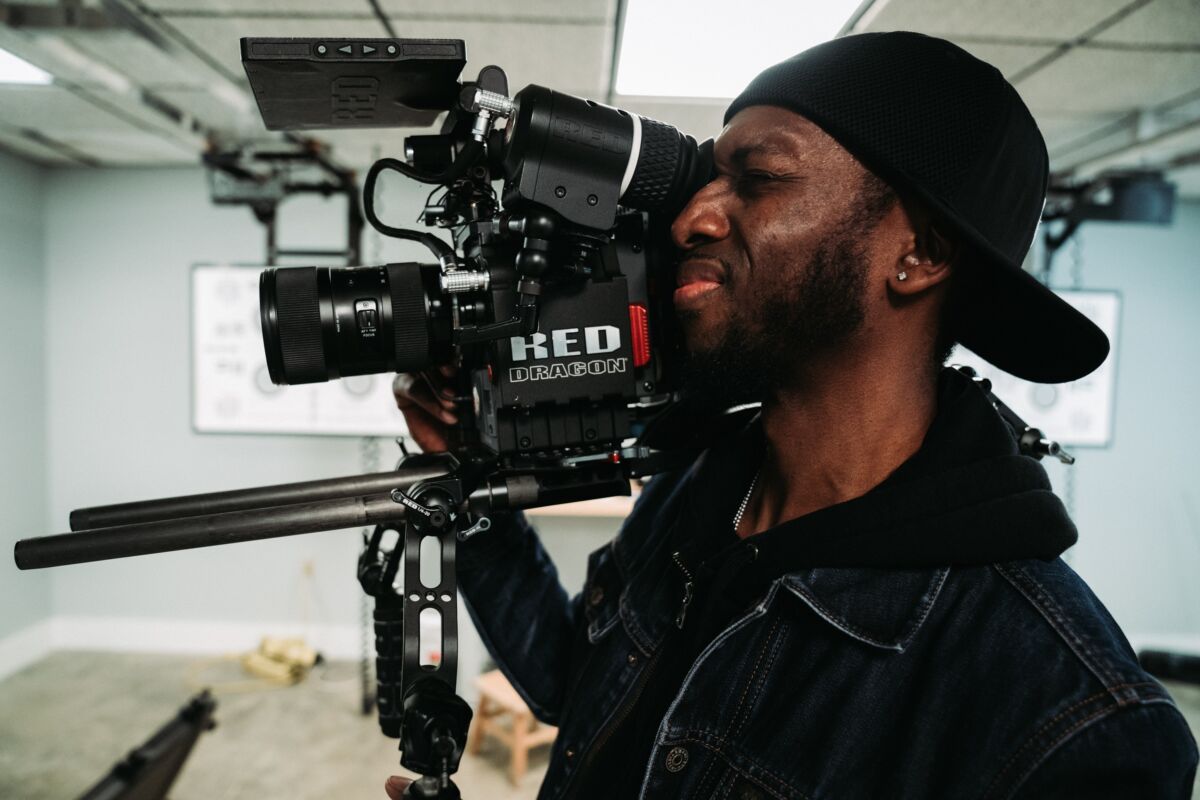
African films have captivated audiences around the world, offering unique perspectives, diverse storytelling, and a celebration of African culture. Films such as Mandela: Long Walk to Freedom; The Last King of Scotland; The Gods Must be Crazy; Beasts of No Nation; Hotel Rwanda; and Blood Diamonds are examples of films that have caught the world’s attention and left an indelible mark on the global cinematic landscape.
A Global Lens
African cinema encompasses a wide range of films that delve into the experiences, struggles, triumphs, and cultural heritage of the African diaspora. These films explore themes of identity, displacement, resilience, and the complexities of navigating life within different cultural contexts. They offer a unique perspective, shedding light on the diversity and interconnectedness of experiences across the globe.
Nollywood: The Rise of African Cinema
Nollywood, Nigeria’s vibrant film industry, has played a significant role in shaping the African cinematic landscape and gaining international recognition. Known for its prolific output and grassroots production methods, Nollywood has become the second-largest film industry globally in terms of production volume. The industry has been instrumental in portraying authentic African stories, showcasing the creativity, resilience, and entrepreneurial spirit of African filmmakers. Some of famous Nollywood movies that have received international recognition and huge financial success include ‘Living in Bondage’ (widely credited as being the the film that contributed most to Nollywood’s progession, ‘Living in Bondage’ was an opportunity for Nigerians to finally watch an indigenous film rather than the Booywood Korean and Hollywood staples they were hooked on) ‘Rattlesnake’, ‘Violated Glamour Girls’ ‘October 1’ and ‘Nneka the Pretty Serpent’.
According to UNESCO, Nollywood produces over 2,000 films annually, surpassing Hollywood in terms of film output.
Breaking Barriers, Shaping Narratives
African and African-American filmmakers have made indelible marks on the global film industry, challenging stereotypes, and reshaping narratives. Through their unique perspectives, they have brought stories of the Africa and the African diaspora to the forefront, creating a space for underrepresented voices and shedding light on the complexities of diasporic experiences.
Ava DuVernay, an acclaimed African American filmmaker, has gained recognition for her thought-provoking films that explore themes of race, justice, and identity. Her works, such as “Selma” and “13th,” have received critical acclaim and shed light on important issues facing the African diaspora and marginalized communities.
Redefining African Identity on Screen
African cinema challenges prevailing narratives and offers authentic portrayals of African identity. It provides an alternative to the historically limited and stereotypical depictions of Africa and its people in mainstream media. African filmmakers strive to present diverse and nuanced narratives that capture the complexities, beauty, and richness of African cultures and experiences.
The film “Black Panther,” directed by Ryan Coogler, brought the fictional African nation of Wakanda to life, showcasing a vibrant and technologically advanced African society. The film celebrated African culture, traditions, and excellence while challenging stereotypes and empowering audiences worldwide.
Bridging Cultures through Cinema
Pan-African collaborations have played a vital role in promoting African cinema and fostering cultural exchange. Filmmakers from different African countries and the diaspora often convene to create groundbreaking films that transcend borders and celebrate the shared heritage and experiences of the Africa and her diaspora.
The film “Timbuktu,” directed by Abderrahmane Sissako, is a collaboration between Mauritanian, French, and Malian filmmakers. The film explores the impact of extremism on a small community in Mali and serves as a poignant reminder of the universal struggles faced by communities worldwide.
Showcasing African Cinema to the World
Film festivals provide a platform for African cinema to reach global audiences and gain recognition. Festivals like the Toronto International Film Festival, Cannes Film Festival, the Durban International Film Festival and the African Diaspora International Film Festival have dedicated programs and showcases that highlight African films and diasporic storytelling. These festivals offer filmmakers an opportunity to network, share their work, and engage in conversations about the significance of African cinema on a global scale.
Future of African and African Diasporia Cinema
As the influence of African and African diasporic cinema continues to grow, we must support emerging filmmakers within African and the African diaspora. Initiatives and organizations have emerged to provide resources, training, and platforms for aspiring filmmakers to hone their skills and share their stories. Nurturing emerging talent, ensures the continuity of African cinema and the exploration of new perspectives.
The Africa First Programme, established by Focus Features, is an initiative that supports emerging African filmmakers by providing grants and mentorship opportunities. This programme has helped launch the careers of talented filmmakers such as Rungano Nyoni and Wanuri Kahiu, who have gone on to make significant contributions to the African diasporic cinematic landscape.
Preserving Stories and Amplifying Voices
Documentary films have played a crucial role in documenting the history, experiences, and struggles of the African diaspora. They provide a platform for untold stories, shedding light on social, political, and cultural issues. African documentary filmmakers have captured narratives that challenge the status quo, raise awareness, and inspire change.
The documentary “Black and Cuba,” directed by Robin J. Hayes, explores the experiences of African American students studying abroad in Cuba and their encounters with Afro-Cuban culture and history. Through this film, diverse perspectives and voices are amplified, fostering dialogue and understanding between different communities.
Widening the Reach
The advent of digital platforms and online distribution has democratized the distribution of African films, allowing wider access to global audiences. Streaming services like Netflix, Amazon Prime Video, and dedicated platforms like Afrostream and OAFF (Online African Film Festival) have provided a space for African films to reach viewers worldwide. This accessibility has broken down barriers, enabling filmmakers to share their stories, connect with audiences, and contribute to the global cinematic landscape.
African films, with their diverse storytelling, cultural authenticity, and powerful narratives, have become catalysts for change, fostering dialogue, and promoting a deeper understanding of African cultures and experiences.
By championing African cinema, we not only celebrate the artistic achievements of filmmakers but also contribute to a more inclusive and diverse cinematic landscape. As we continue to explore the powerful influence of African films on global screens, let’s embrace the richness, complexity, and beauty of African narratives, fostering an environment where African cinema thrives, evolves, and continues to inspire audiences worldwide.


