


The pursuit of gender equality remains a pivotal challenge worldwide, with various nations making significant strides toward bridging the gap. In Africa, several countries have emerged as leaders in promoting gender parity, as highlighted by the World Economic Forum’s Global Gender Gap Report 2024. This article delves into the top seven African nations at the forefront of this movement, examining their achievements and the challenges that persist.
1. Namibia
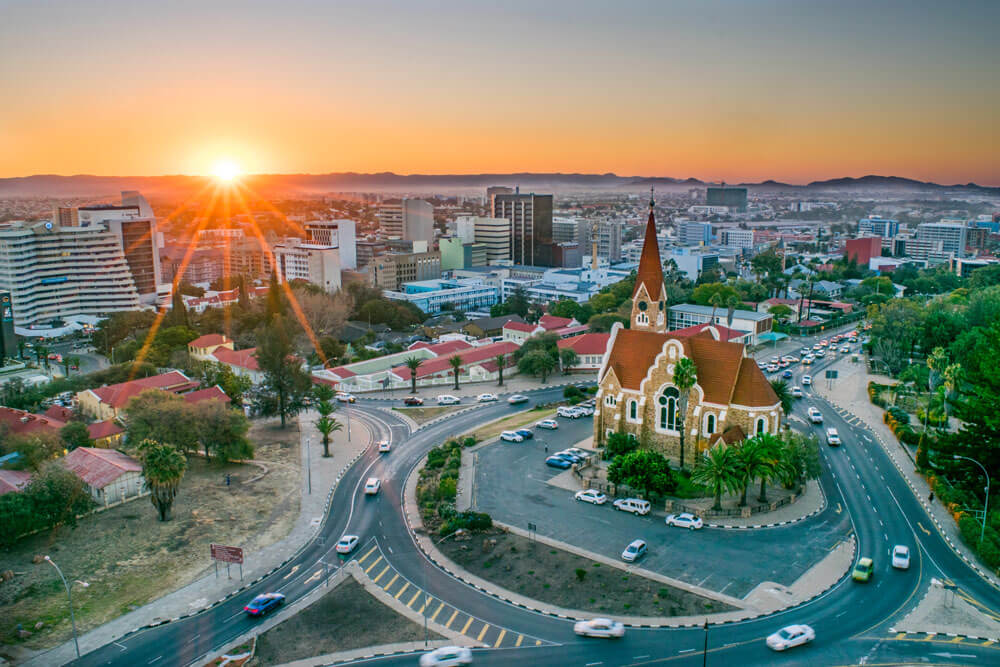
Namibia is a standout on the African continent, ranking 8th globally and closing 80.5% of its gender gap. This progress is evident in several areas, particularly political empowerment and education.
- Women in Leadership: As of February 2024, 44.2% of parliamentary seats in Namibia are held by women. This proportion reflects a strong commitment to ensuring gender parity in governance.
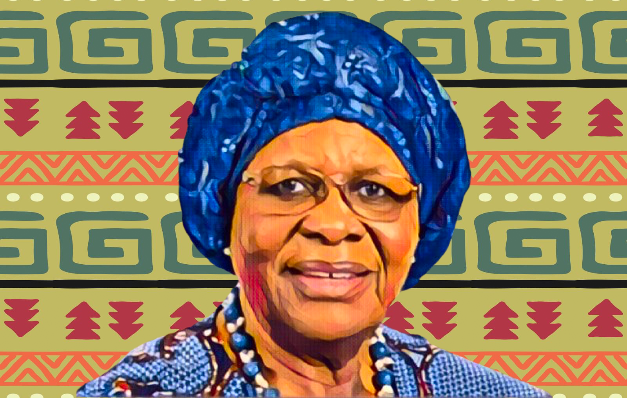
- First Female President: Namibia’s commitment to equality culminated in a historic milestone—Netumbo Nandi-Ndaitwah, the 72-year-old Vice President-turned-President-elect and flagbearer of the ruling SWAPO party, became the nation’s first elected female president. Seen by many as a freedom fighter (she fought against apartheid in South Africa), her leadership underscores Namibia’s progressive political landscape.
- Educational Attainment: Namibia has achieved near parity in educational access, ensuring that young girls have the same opportunities to succeed as boys.
Namibia’s continued focus on women’s representation and opportunity has set a high bar for gender equality in Africa.
2. Rwanda
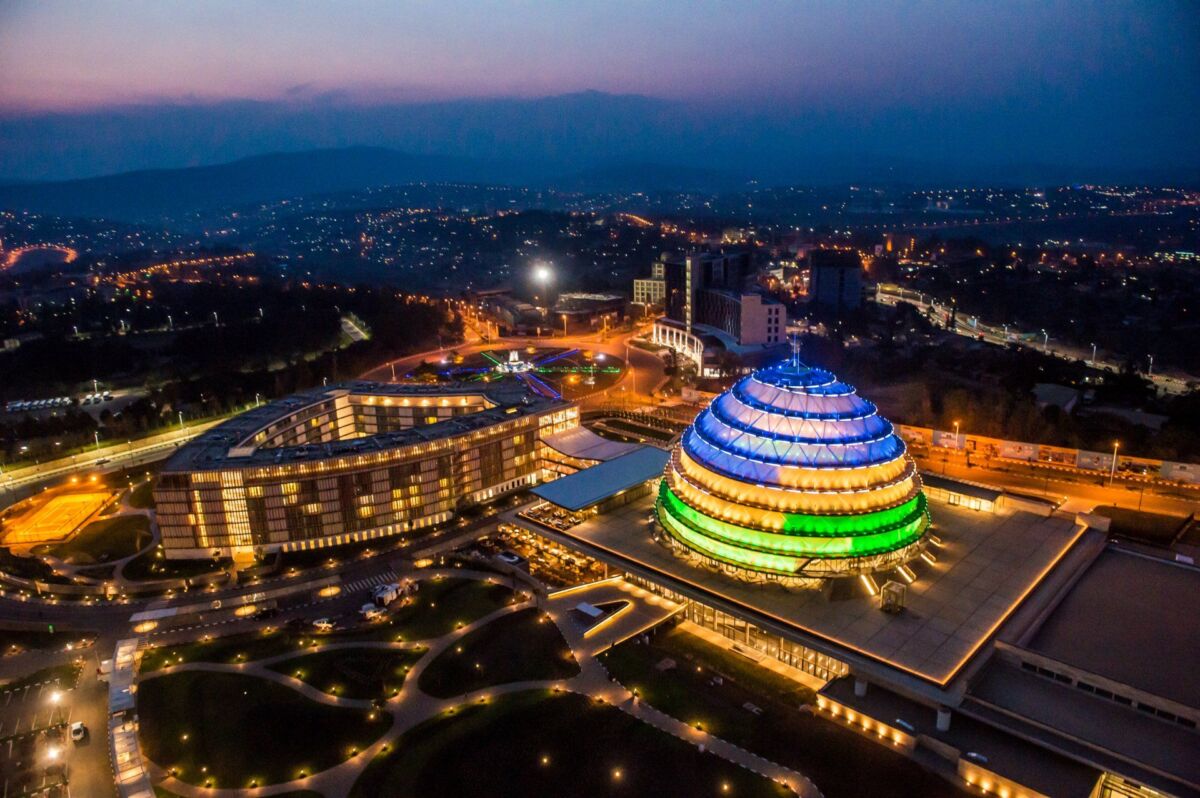
Rwanda remains a global leader in gender equality, ranking 39th worldwide and maintaining its reputation as a pioneer in women’s political representation.
- Highest Percentage of Women in Parliament: Rwanda boasts a staggering 61% of parliamentary seats occupied by women—the highest in the world. This achievement is the result of deliberate policies, such as gender quotas, and a cultural shift toward inclusivity following the nation’s rebuilding post-genocide.
- Healthcare and Education: Rwanda has also excelled in closing gaps in health and educational outcomes, ensuring women have equal access to essential services.
Rwanda’s approach demonstrates how targeted reforms and a strong commitment to gender equality can drive transformation.
3. South Africa
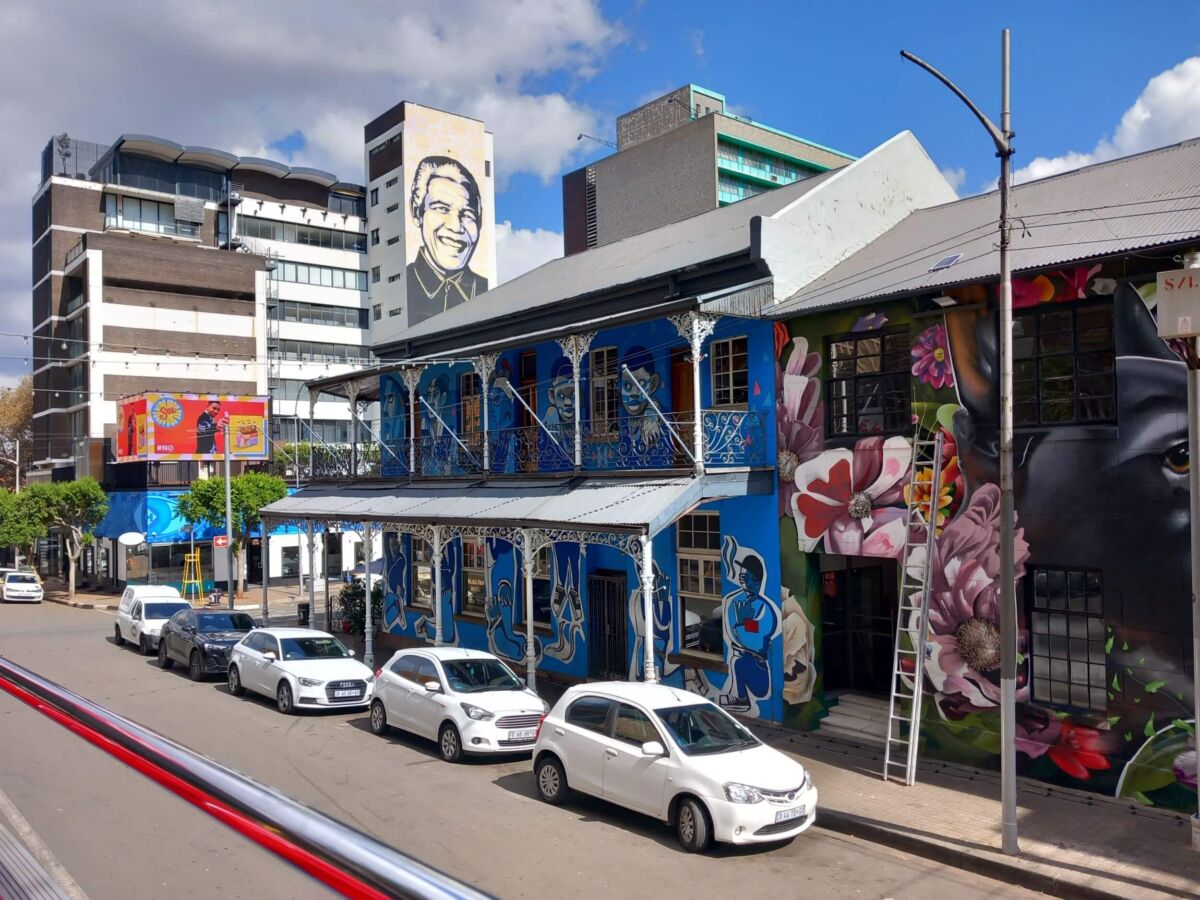
South Africa ranks 18th globally, with an overall gender gap closure of 78.3%. Its progress spans across political, economic, and social domains.
- Economic Participation: Women now constitute nearly 50% of the labor force, reflecting significant strides in workplace inclusion.
- Educational Parity: South Africa has achieved full parity in educational attainment, ensuring that both genders have equal opportunities to learn and excel.
- Representation in Government: Women hold 46% of seats in South Africa’s national parliament, showing that political empowerment remains a priority.
South Africa’s comprehensive approach to equality serves as a model for balancing political will with systemic change.
4. Mozambique
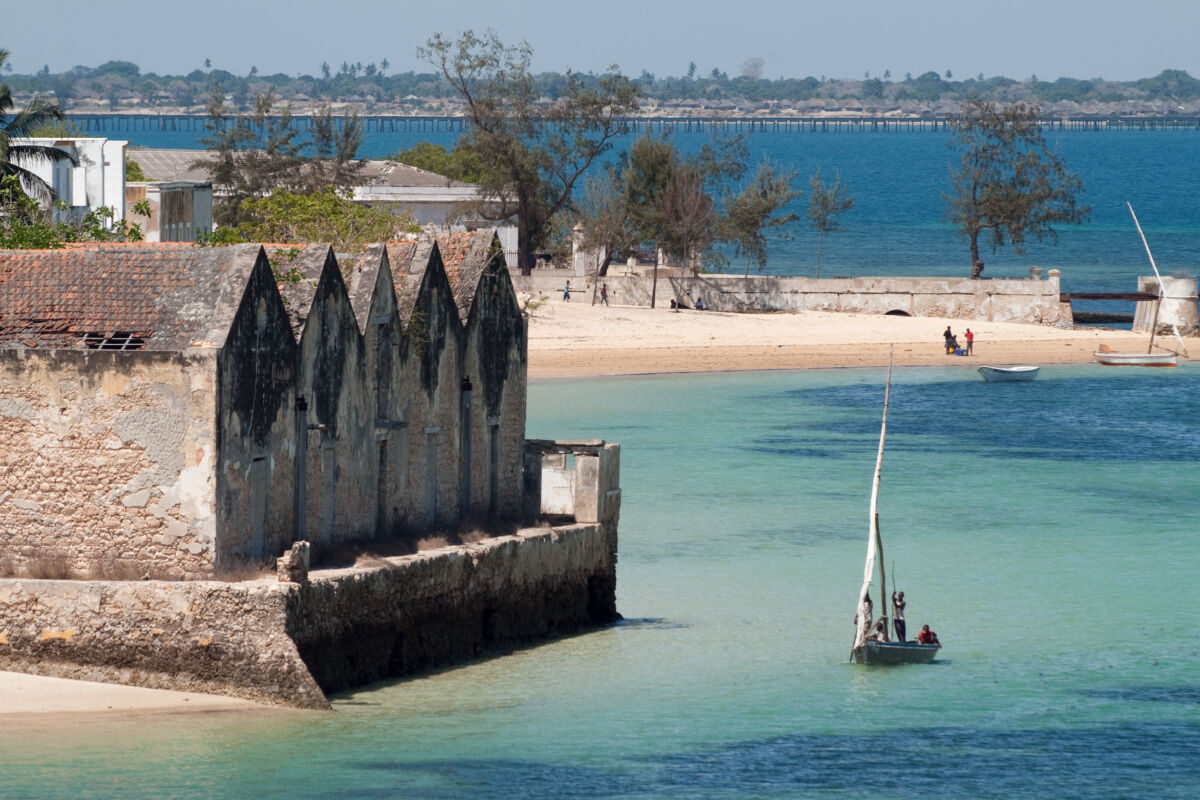
Mozambique ranks 26th globally, with a gender gap closure of 76.5%. The nation has focused on bolstering women’s political representation.
- Political Empowerment: Women hold 42% of parliamentary seats, highlighting Mozambique’s dedication to promoting female voices in governance.
- Community Leadership: Beyond politics, Mozambique has implemented programs encouraging women to take leadership roles at the local level, enhancing their influence in decision-making.
Mozambique’s policies demonstrate that inclusive leadership is integral to driving progress on gender equality.
5. Burundi
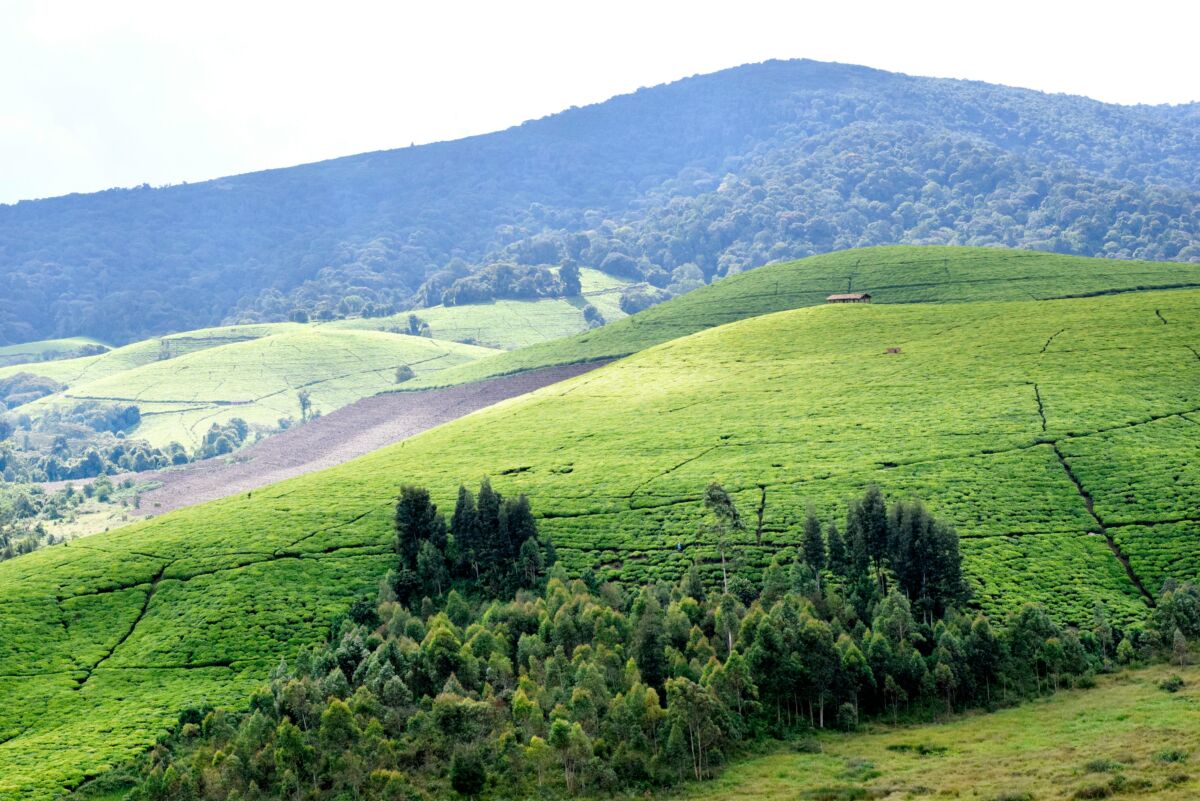
Burundi is another high performer, ranking 32nd globally with a 75.8% closure of the gender gap. Its progress is largely driven by economic participation and representation.
- Labour Force Participation: Women make up 55% of Burundi’s labor force, reflecting their significant contribution to the nation’s economy.
- Political Empowerment: Women hold key positions in Burundi’s government, with gender quotas helping ensure women’s voices are heard.
Burundi’s focus on empowering women economically and politically shows the multifaceted nature of achieving equality.
6. Zimbabwe
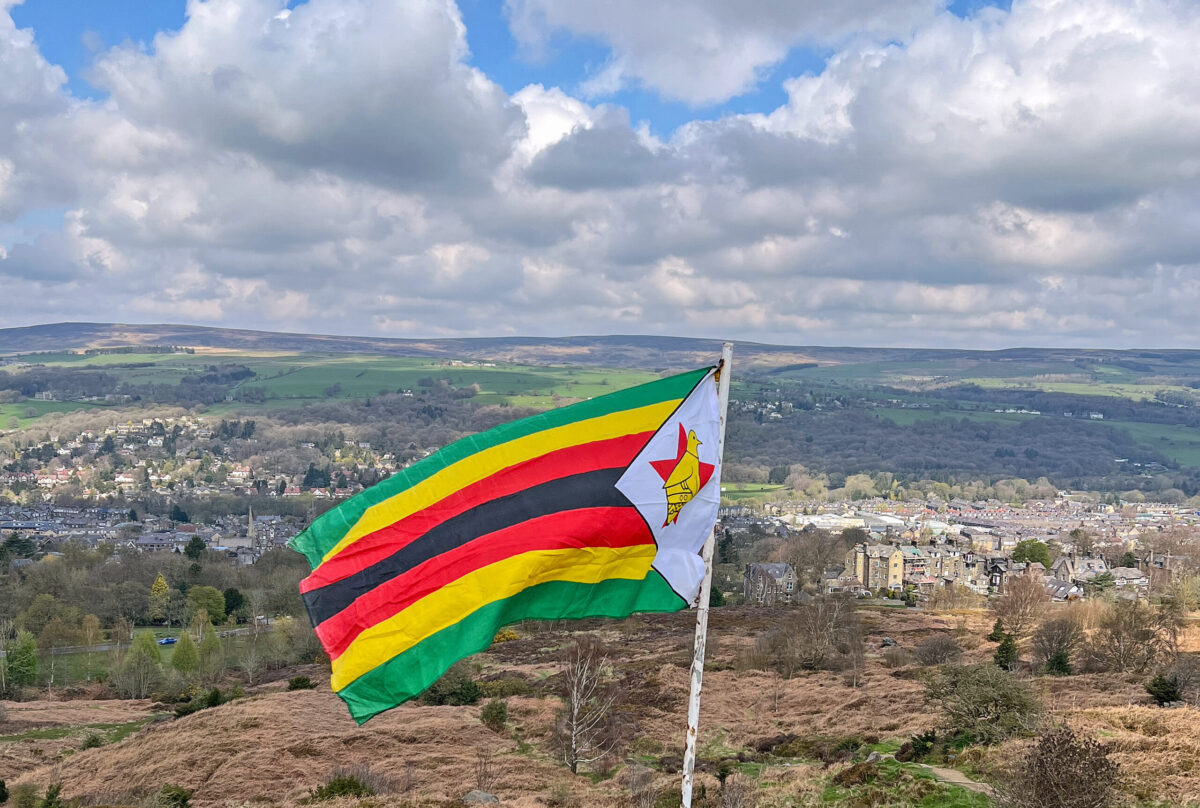
Zimbabwe ranks 47th globally, closing 73.1% of its gender gap. It has made significant progress in both education and politics.
- Education for All: Zimbabwe has achieved near parity in educational attainment, with equal access for boys and girls at primary and secondary levels.
- Political Inclusion: Women occupy 35% of seats in the country’s national parliament, marking progress toward greater representation.
Zimbabwe’s efforts highlight the importance of sustained investment in education and governance reforms.
7. Uganda
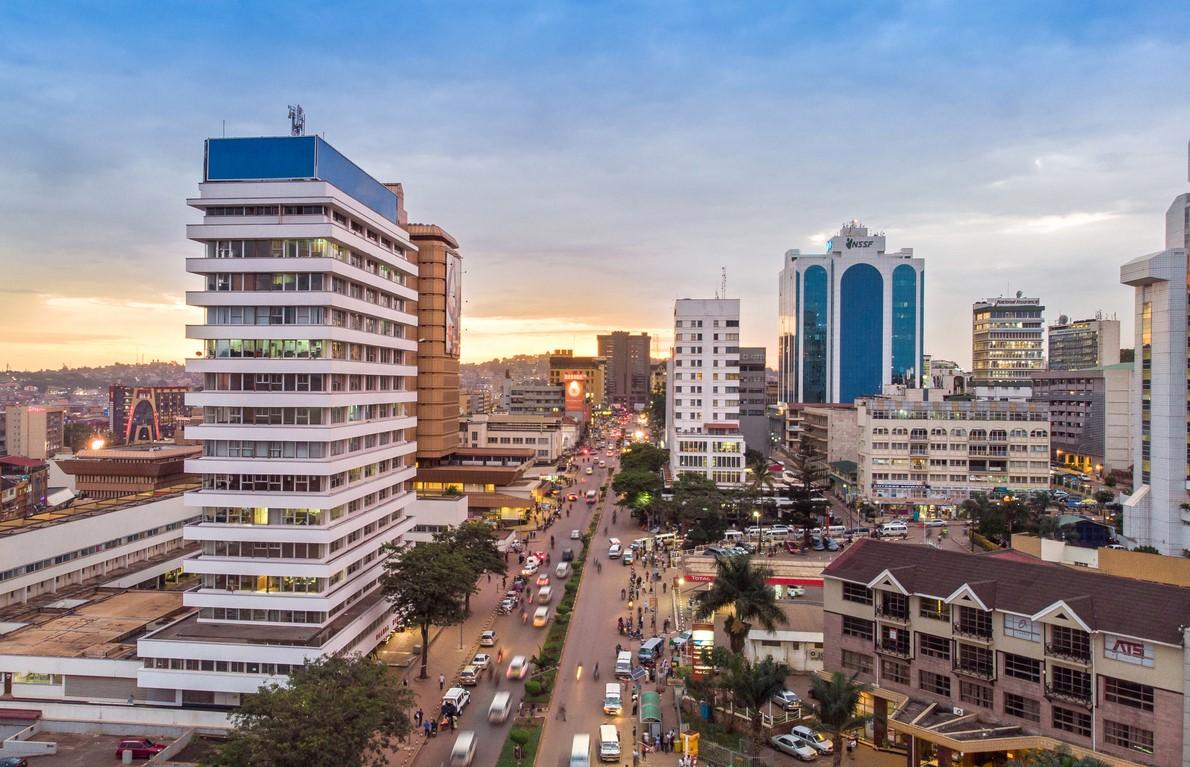
Uganda is also making waves in gender equality, ranking 54th globally and closing 71.9% of its gender gap.
- Political Participation: Women hold 34.9% of parliamentary seats, supported by the country’s gender quota system.
- Economic Empowerment: Uganda has implemented initiatives to empower women entrepreneurs, such as microfinance programs that prioritise female-led businesses.
- Health and Survival: Uganda has made strides in reducing maternal mortality and ensuring access to healthcare services for women.
Uganda’s example shows that addressing economic and health disparities is crucial to achieving broader gender parity.


