


Shea (pronounced ‘shay’ or ‘she-a’) butter is made from the nut kernel of the vitellaria paradoxa tree, in the countries in and below the sub-Saharan region of Africa known as the Sahel. This unique product is among the most lucrative exports of African countries such as Burkina Faso, Mali and Ghana – to name a few.
The best shea butter is produced locally through a laborious process with many stages, which you can see here:
Shea butter benefits people in various ways, both in its native countries and internationally. But there is more to this seemingly clear-cut product than meets the eye – and if you’re thinking of buying some shea butter, there are some things that you’ll want to know first.
Read on to find out what makes this African butter obscure.
The benefits of shea butter

The people of the Sahel have discovered many benefits of using shea butter, and have built unique traditions around it which have existed for centuries. Shea butter’s most common use in its native countries today is as a cooking fat. More traditional purposes include waterproofing walls, softening drum-skins, and medicinal application for healing wounds and soothing inflammation.
But – like other African botanical oils – shea butter is best known throughout the world as a skincare product. While this is also one of its traditional uses, it’s also the one that has helped to change shea butter from an obscure regional product into an international commodity. And with its commodification has come a certain hype. ‘Natural’ and ‘sustainable’ products are in fashion – especially in the West – and so shea butter seems to tick the right boxes for many skincare enthusiasts. What’s more, many of its users seem to credit it with almost extraordinary properties.
Considering this hype and the value of the shea butter industry, you might expect these properties to be highly researched. Yet strangely, there is a lack of conclusive scientific research into the skin benefits which shea butter is best known for. These include moisturising; healing eczema, scars and stretch marks; and even anti-ageing. Surprisingly, shea butter has less than 1% of the number of studies conducted on its sibling African product, cocoa butter.
To make matters worse, the existing studies are missing key features such as randomised trials and large enough sample sizes. There are only two which are usable to date. One found no significant differences between the moisturising effects on normal skin of shea butter and eight other substances. The other found reduced itching and improved skin hydration after a moisturiser containing shea butter was used to treat eczema. But the quality of even these two studies undermines their viability as hard evidence.
So is this butter the real deal, or is its industry built on shea faith alone? And as a potential user, where does this leave you? Well, looking at the more thoroughly researched constituent ingredients of raw shea butter and their benefits might give some direction.
Shea butter’s superpowers
Shea butter is mostly made up of fatty acids, namely stearic, oleic and linoleic. Stearic acid is a surfactant, which means that it attracts dirt and helps to cleanse it from the skin. It has been suggested that it helps to protect the skin’s barrier, which protects it from infection and water loss, though this is less well-researched. Studies have shown that oleic acid has skin-calming properties and reduces signs of dryness and sensitivity when used in combination with other fatty acids (like it is in shea butter). Linoleic acid has anti-inflammatory properties and lower water loss to the environment, thereby improving skin hydration.
Shea butter also has an unusually high percentage of the unsaponifiable fraction, which is made up of compounds such as triterpenes, tocopherol, phenols, and sterols. Research has shown the unsaponifiable fraction of other plant oils to have excellent antioxidant and anti-inflammatory properties. Shea butter also has vitamins in high concentration: vitamins E and A, which have antioxidant and anti-inflammatory effects; and vitamin D, whose deficiency can be a pathway to dermatological conditions.
The properties of these ingredients point towards the probability of the hype around shea butter’s benefits holding some truth. They also lend credence to many of the traditional uses of shea butter in their native regions. Yet ultimately, only intensive scientific research on shea butter itself can answer the skincare riddle it poses.
Why use shea butter?
Until then, if you are a prospective shea butter user then you have two roads ahead. Follow the secure, sensible path of choosing a well-researched ingredient as the basis of your moisturising routine. Or put on your lab coat, so to speak, and test shea butter’s effectiveness as a natural solution to your personal skincare needs. Shea butter has safety approval from Cosmetic Ingredient Review. So given the combined testimony of its traditional and international users alike, you’d be within your rights to experiment with it.
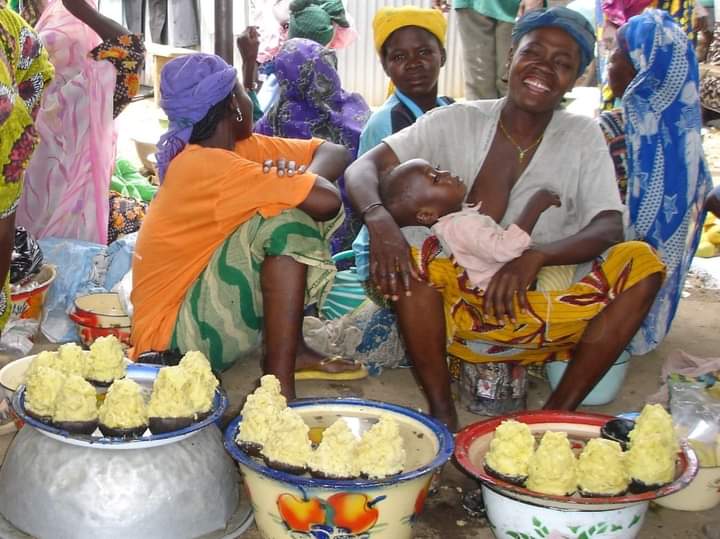
But why go to all that trouble? Well, apart from the possibility of gaining the quasi-miraculous benefits which shea butter devotees swear by, there is another reason why you might want to try it. Shea butter is often a cornerstone of the economy in the rural areas where it originates from. Mainly due to tradition, the local women control almost every stage of its production and distribution. So shea butter provides income and empowerment for women in areas where there is little opportunity for either. By buying and using raw shea butter you can support them, as well as the culture around this enigmatic African product.
What are your experiences with shea butter? Are its benefits fact or fiction? Tell us your thoughts in the comments below.
Sources
‘Lost Crops of Africa: Volume II: Vegetables’
https://thedermreview.com/linoleic-acid/


