



The Henley Passport Index is a global ranking of countries based on their passports’ travel freedom. It ranks 199 passports based on the number of destinations their holders can access without a visa. The Index started in 2006 as Henley & Partners Visa Restrictions Index and was renamed in January 2018. The list is compiled in collaboration with the International Air Transport Association (IATA) using data from their global database.
Island Paradises Lead the Way

The Seychelles emerge as the clear champion, holding the most powerful passport in Africa and ranking an impressive 24th globally. Seychellois citizens can travel visa-free to a remarkable 151 destinations. This translates to seamless access to major business hubs, cultural centers, and travel hotspots across the globe. Imagine attending a conference in Dubai, exploring the bustling streets of Tokyo, or unwinding on the beaches of Bali – all without the hassle of securing a visa beforehand.

Following closely behind is Mauritius, boasting the second-most powerful African passport. Ranking 28th globally, Mauritians enjoy visa-free or visa-on-arrival access to 150 countries. This opens doors for pursuing educational opportunities in Europe, establishing business partnerships in Asia, or attending trade shows in North America – all with relative ease.
South Africa: A Continental Powerhouse
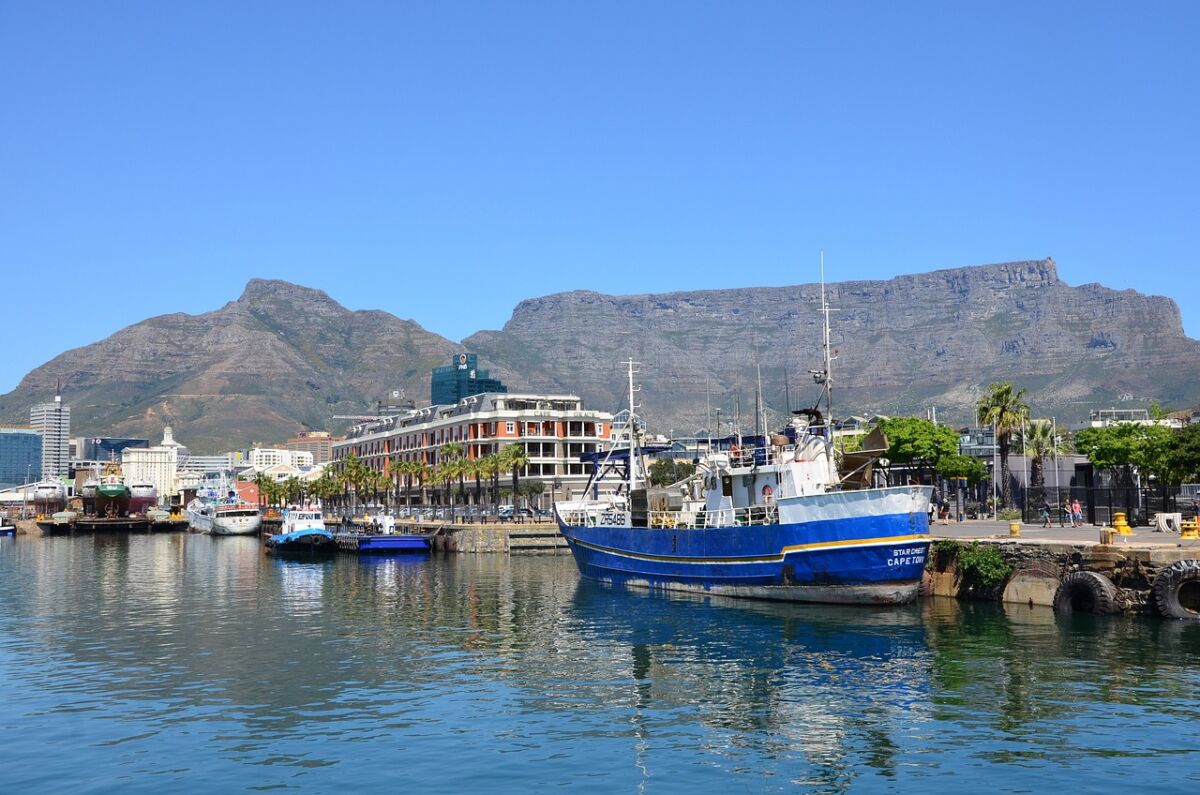
South Africa maintains its position as a continental leader in passport power, securing the third spot in Africa and ranking 47th globally. South African citizens can access 106 countries without prior visas. This positions them well for regional trade within Africa, fostering connections with key economic partners like Kenya, Nigeria, and Egypt. Additionally, visa-free access to major tourism destinations like Thailand and Brazil opens doors for leisure travel and potential investment opportunities.
Southern African Neighbours: Visa-Free Access and Economic Opportunities
While Seychelles and Mauritius lead the way in passport power in Africa, several other southern African nations also boast impressive visa-free access, contributing to their economic attractiveness and regional integration.
Botswana: With 88 visa-free destinations, Botswana’s passport ranks 56th globally. This relatively high ranking underscores the country’s strong diplomatic relations and its appeal as a tourism and investment destination. Botswana’s rich wildlife, stable political environment, and abundant natural resources make it a popular choice for international travelers and businesses.
Namibia: Namibia, with 81 visa-free destinations and a global rank of 61st, offers a similar level of mobility. Its stunning landscapes, including the Namib Desert and Etosha National Park, attract visitors from around the world. Furthermore, Namibia’s focus on sustainable development and its strategic location make it an attractive destination for foreign investment.

A herd of wildebeest blocks the road in the Mara triangle, Kenya.
Lesotho, Eswatini, and Kenya: These three countries share a similar level of visa-free access, with Lesotho boasting 79 destinations, Eswatini at 77, and Kenya at 75. While their global rankings may differ slightly, these nations all offer significant visa-free travel opportunities. Lesotho’s unique cultural heritage and mountainous terrain, Eswatini’s vibrant arts scene and wildlife, and Kenya’s diverse ecosystems and thriving tourism industry contribute to their appeal as travel destinations.

Malawi and Tanzania: Both Malawi and Tanzania rank 66th globally with 75 visa-free destinations each. Malawi, known for its stunning Lake Malawi and friendly locals, is a popular destination for nature lovers and cultural explorers. Tanzania, with its iconic Mount Kilimanjaro, Serengeti National Park, and Zanzibar archipelago, is a major tourism draw and a significant player in the East African economy.
These southern African nations, while not as high-ranking as Seychelles and Mauritius, demonstrate a commendable level of visa-free access. This mobility contributes to their economic development, regional integration, and attractiveness as destinations for both tourism and investment.
Disparities Remain: A Call for Progress
However, the Henley index also paints a stark picture of the vast differences in passport power across Africa. While Seychelles, Mauritius, and South Africa offer their citizens significant mobility, many African countries continue to face significant travel restrictions. This disparity has tangible consequences. A weak passport can hinder economic growth for entrepreneurs and investors, making it difficult to capitalize on international business opportunities. Imagine a talented young designer from Ghana struggling to secure a visa to showcase their work at a prestigious Milan fashion event.
Beyond Numbers: The Impact of Passport Power
The strength of a passport goes beyond mere numbers. It signifies a nation’s diplomatic standing in the global arena and reflects the ease with which its citizens can integrate into the international community. Weak passport power can limit access to educational opportunities, stifle innovation, and discourage foreign investment.
A Look to the Future: Bridging the Global Mobility Gap
The good news is that there are positive signs. African nations are increasingly collaborating to strengthen regional integration initiatives like the African Continental Free Trade Area (AfCFTA). This ambitious project aims to create a single African market, fostering trade and potentially leading to improved visa regimes across the continent.
The Diaspora’s Role in Shaping Mobility
For Africans in the diaspora, this presents a unique opportunity for engagement. By advocating for improved visa policies within their host countries and supporting initiatives that promote continental cooperation, the diaspora can play a crucial role in bridging the global mobility gap. Additionally, diaspora networks can be instrumental in connecting African entrepreneurs and investors with international business opportunities.
The 2024 Henley Passport Index paints a nuanced picture of passport power in Africa. While the top-ranked nations offer their citizens remarkable mobility, significant disparities persist. However, there’s reason for optimism. Increased regional cooperation and the active engagement of the diaspora offer pathways to a more equitable future. As Africa continues to rise on the global stage, ensuring all its citizens hold passports that empower them to contribute and thrive becomes a critical step towards unlocking the continent’s full potential.
Let’s continue the conversation! Share your thoughts and experiences with passport power in Africa in the comments below.


